






What's Happening?
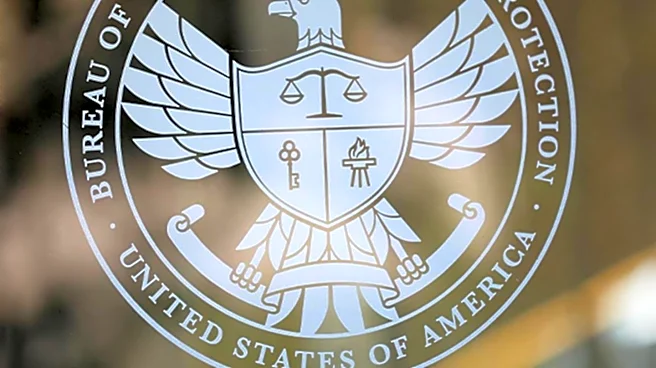
The Federal Trade Commission (FTC) and eight U.S. states have filed a lawsuit against Toast, Inc., a prominent restaurant software and payments company. The complaint, filed on October 29, 2026, in the U.S. District Court for the Northern District of California,
alleges that Toast engaged in deceptive practices. These include advertising "$0" hardware that restaurants ultimately paid for, promising "24/7/365" customer support that was often unavailable, charging for unapproved add-ons, and imposing a 99-cent fee on diners' online orders that Toast retained without clear disclosure to either diners or restaurants. The lawsuit names Toast, Inc. and four of its subsidiaries as defendants. Toast has publicly stated its strong disagreement with the allegations and intends to vigorously defend itself in court. The company argues that the FTC is misapplying the Restore Online Shoppers' Confidence Act (ROSCA), a law intended for consumer online subscriptions, to its business-to-business commercial agreements with restaurants.
Why It's Important?
This lawsuit carries significant implications for the business-to-business (B2B) software and services sector, particularly those operating with subscription models. Toast's defense hinges on the argument that ROSCA, a consumer protection law, should not apply to negotiated commercial contracts between businesses. A ruling in favor of the FTC could set a precedent, extending consumer-like disclosure and cancellation requirements to a broader range of B2B software providers. This could force companies to re-evaluate their contract terms, pricing transparency, and cancellation policies, potentially leading to increased compliance costs and operational changes. For small businesses, particularly restaurants, the outcome could determine whether they receive greater protection against opaque pricing structures and difficult cancellation processes from their technology vendors. The case also highlights the FTC's continued focus on 'junk fees' and misleading advertising claims across various industries, signaling a broader regulatory push for transparency.
What's Next?
The legal proceedings will move forward in the U.S. District Court for the Northern District of California. Toast, Inc. is expected to formally respond to the complaint, outlining its defense against the allegations. The core legal battle will likely revolve around the applicability of ROSCA to B2B contracts, a question that could have far-reaching implications for how software and service providers structure their agreements with small businesses. The FTC and the plaintiff states will seek a permanent injunction against further alleged violations, monetary relief, and civil penalties. The outcome of this case could influence future regulatory actions and legislative efforts concerning B2B commercial practices, potentially leading to new industry standards for transparency and consumer-like protections for small business clients. Stakeholders, including other B2B software companies and small business advocacy groups, will closely monitor the proceedings.
Beyond the Headlines
Beyond the immediate legal battle, this case touches upon the evolving definition of 'consumer' in the digital age, particularly when small businesses engage with online platforms and software providers. The FTC's stance suggests a view that small business owners, often operating with limited resources, require similar protections to individual consumers against deceptive practices. This could signal a broader shift in regulatory philosophy, blurring the lines between consumer protection and commercial contract law. The allegations also highlight the power dynamics between technology providers and their small business clients, where complex contracts and embedded services can create significant switching costs and lock-in effects. The outcome may influence how platforms disclose fees, manage cancellations, and present their services, potentially fostering a more equitable relationship between tech vendors and the small businesses that rely on their tools.