


What's Happening?
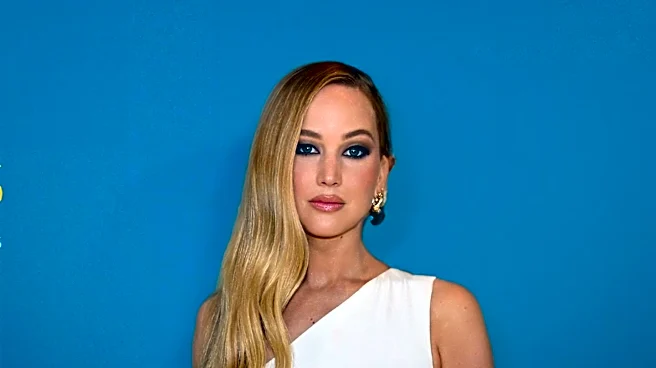
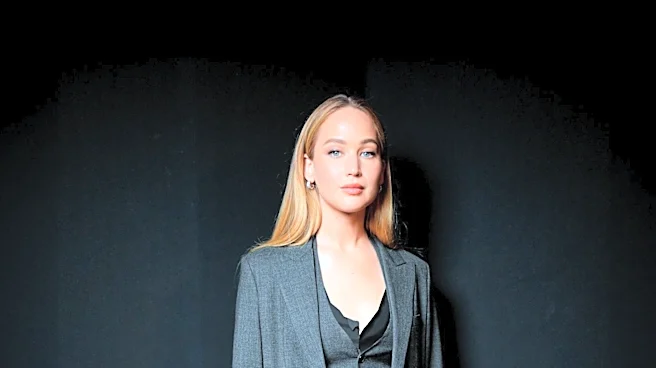
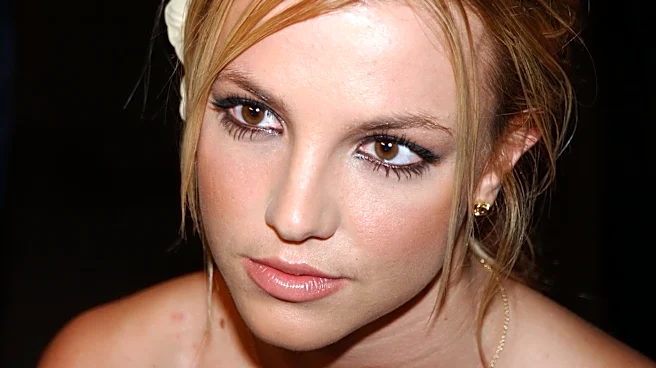
Actress Jennifer Lawrence has recently addressed ongoing speculation regarding her cosmetic procedures, specifically denying rumors of having undergone an upper blepharoplasty (eyelid surgery). Lawrence took to Instagram to clarify the situation after
her makeup artist, Shayna Gold, shared products from Lawrence's new haircare line. Lawrence reposted the image with a caption humorously crediting Gold for her 'bleph,' indicating that her wide-awake appearance is due to makeup artistry rather than surgery. This recent clarification follows Lawrence's previous openness about other cosmetic work. Last week, during an appearance on 'Watch What Happens Live,' she casually mentioned having breast implants, even crediting her plastic surgeon, Steven Teitelbaum. In October, she also revealed to The Cut that she had undergone a 'boob job' after the birth of her second child, noting that her body did not 'bounce back' as it did after her first pregnancy. These statements highlight Lawrence's candid approach to discussing her cosmetic choices amidst public scrutiny.
Why It's Important?
Jennifer Lawrence's public statements regarding her cosmetic procedures contribute to a broader conversation about transparency and body image within the entertainment industry. Her willingness to openly discuss breast implants, while denying other rumored surgeries, challenges the often secretive nature surrounding celebrity cosmetic enhancements. This transparency can influence public perception, potentially normalizing discussions around plastic surgery and reducing the stigma associated with it. For fans and the general public, it offers a more realistic view of celebrity appearances, contrasting with the often unattainable beauty standards promoted by media. Furthermore, her humorous dismissal of blepharoplasty rumors by crediting makeup artistry underscores the significant role professional makeup plays in creating desired looks, potentially shifting focus from surgical interventions to skilled cosmetic application. This could empower individuals to explore makeup techniques as an alternative to surgery for achieving certain aesthetic goals, while also highlighting the pressure celebrities face regarding their physical appearance.
What's Next?
Following Jennifer Lawrence's recent clarifications, it is likely that public and media attention will continue to focus on celebrity transparency regarding cosmetic procedures. Other public figures might be encouraged to share their own experiences, potentially fostering a more open dialogue within the entertainment industry. The emphasis Lawrence placed on makeup artistry could also lead to increased interest in professional makeup techniques designed to create effects similar to surgical enhancements, potentially boosting the visibility of makeup artists and beauty brands. Social media platforms will likely remain a primary venue for celebrities to address rumors and engage directly with their audience, allowing for immediate responses to speculation. This trend of direct communication from celebrities about personal choices, including cosmetic ones, is expected to continue shaping public discourse around beauty standards and authenticity in the public eye.
Beyond the Headlines
Jennifer Lawrence's candidness about her cosmetic procedures, particularly her humorous denial of eyelid surgery by crediting makeup, touches upon deeper societal implications regarding authenticity and perception in the digital age. In an era dominated by filtered images and curated online personas, her directness offers a refreshing counter-narrative, challenging the often-unrealistic beauty ideals perpetuated by social media. This approach can foster a more honest dialogue about the pressures celebrities face to maintain a certain image and the tools they use to achieve it, whether surgical or cosmetic. Ethically, her transparency could empower individuals to make informed decisions about their own bodies and appearances, rather than striving for unattainable ideals based on undisclosed celebrity enhancements. Culturally, it contributes to a gradual shift towards destigmatizing cosmetic procedures, encouraging a more open and less judgmental conversation about personal choices related to appearance.