


What's Happening?
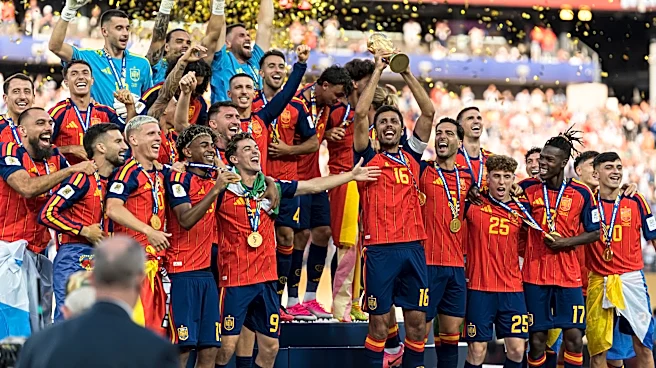
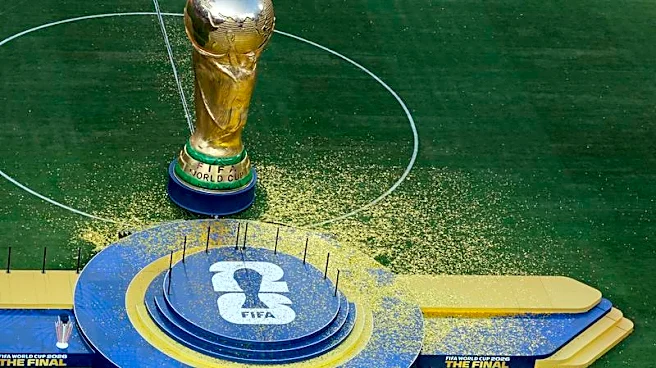
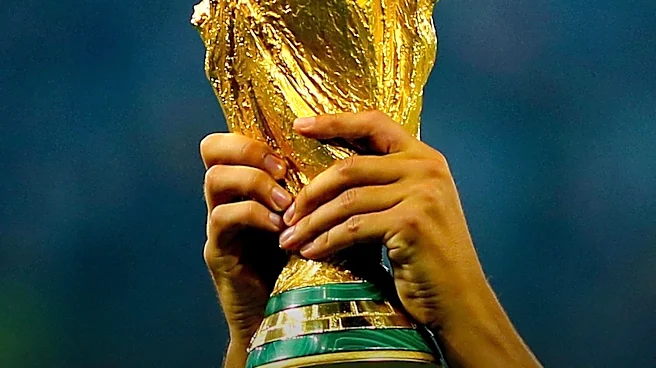
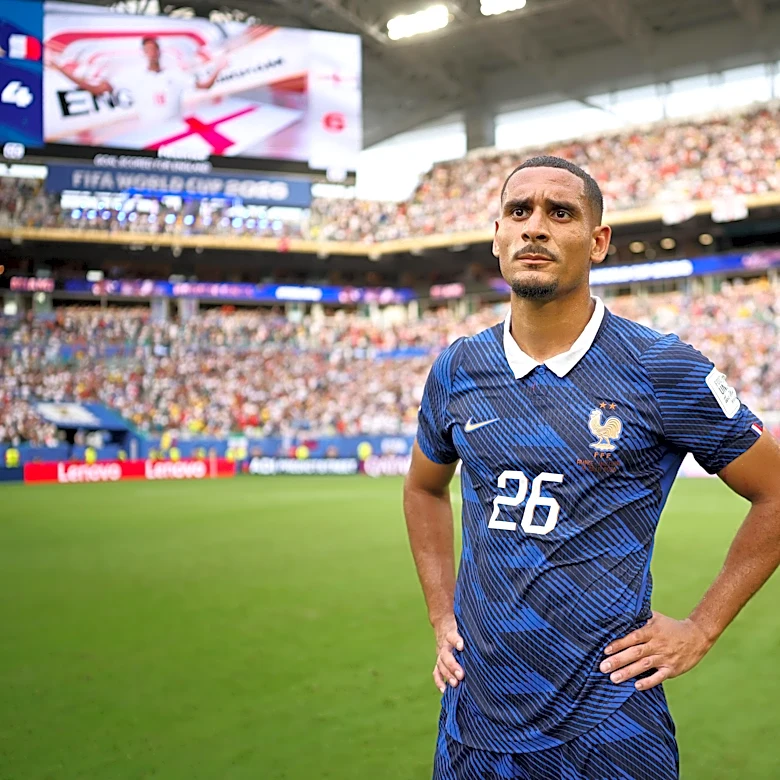
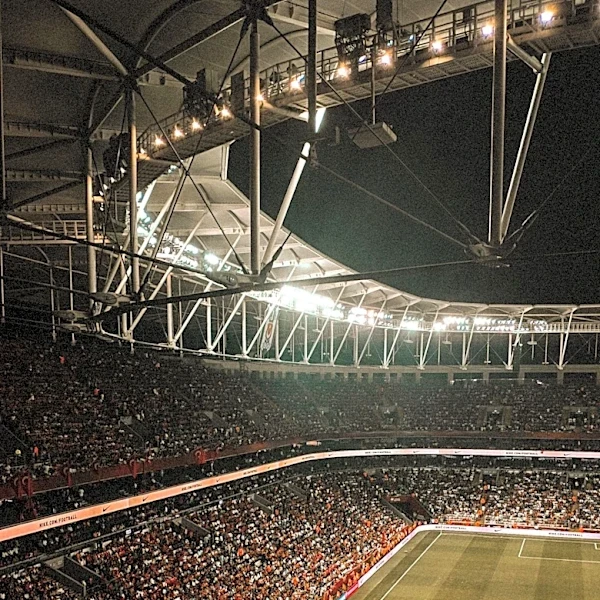
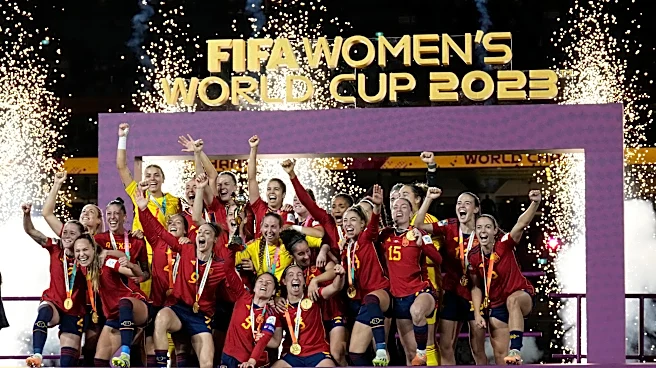
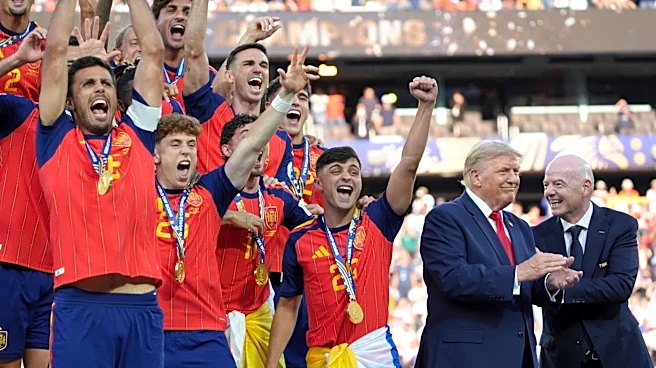
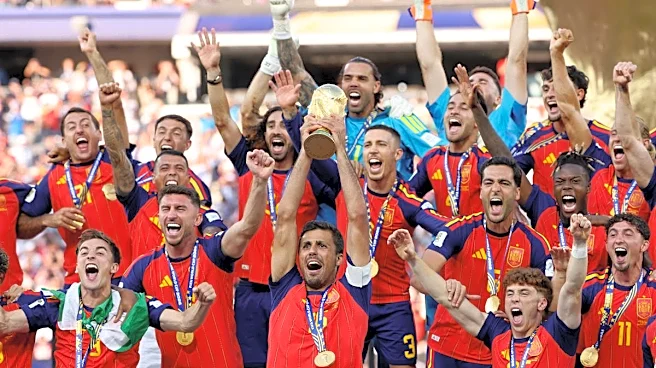
The 2026 FIFA World Cup, hosted by the United States, Mexico, and Canada, concluded with Spain's victory over Argentina. This tournament was notable for its record attendance, drawing 6,810,966 fans, making it the most-attended FIFA World Cup in history.
The event showcased not only the athletic prowess of the players but also the vibrant and respectful fan culture. Fans from various countries, including the Netherlands, Japan, and Scotland, demonstrated unique ways of celebrating and supporting their teams. For instance, Japanese fans cleaned up the stadium after their match, and Scottish fans significantly boosted local beer sales in Boston. The tournament highlighted the potential of sports to unite people across different cultures and foster mutual respect.
Why It's Important?
The 2026 FIFA World Cup's success underscores the power of sports as a unifying force. The event brought together diverse cultures and showcased the potential for international cooperation and respect. The economic impact was significant, with local businesses experiencing increased sales due to the influx of international fans. The tournament also set a precedent for future international sporting events, emphasizing the importance of inclusivity and respect among fans. This event demonstrated that sports can transcend cultural and national boundaries, promoting a sense of global community and understanding.
What's Next?
Following the success of the 2026 FIFA World Cup, future tournaments may adopt similar strategies to enhance fan engagement and cultural exchange. Host countries might focus on creating more inclusive and respectful environments to attract diverse audiences. The positive experiences shared by fans could lead to increased interest in international sports events, encouraging more countries to bid for hosting rights. Additionally, the economic benefits observed during the tournament may prompt cities to invest in infrastructure and services to accommodate large-scale events.
Beyond the Headlines
The 2026 FIFA World Cup highlighted the potential for sports to serve as a platform for diplomacy and cultural exchange. The interactions between fans from different countries demonstrated the possibility of building friendships and understanding through shared experiences. This event may inspire other sectors, such as politics and business, to explore similar approaches to fostering international cooperation. The tournament also emphasized the role of social media in shaping public perceptions and promoting positive narratives about host countries and their cultures.