


What's Happening?
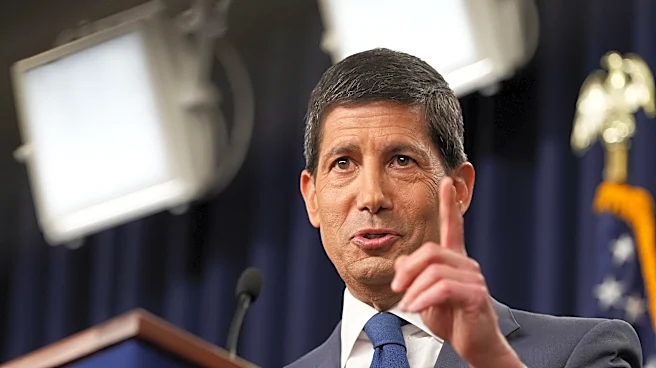
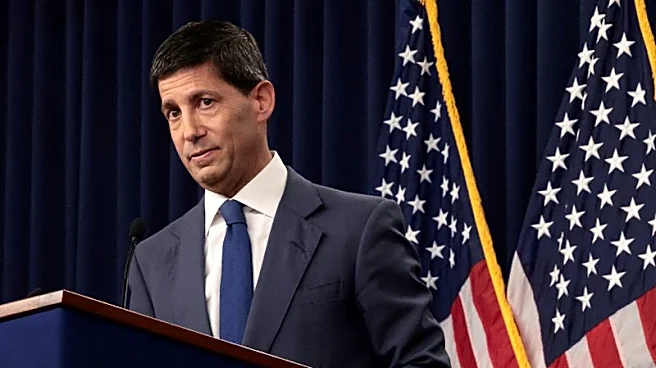
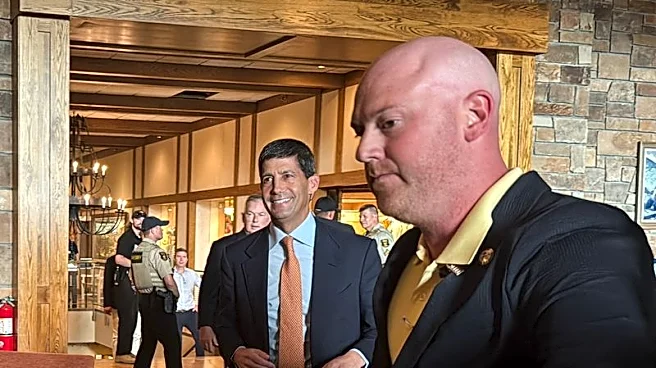
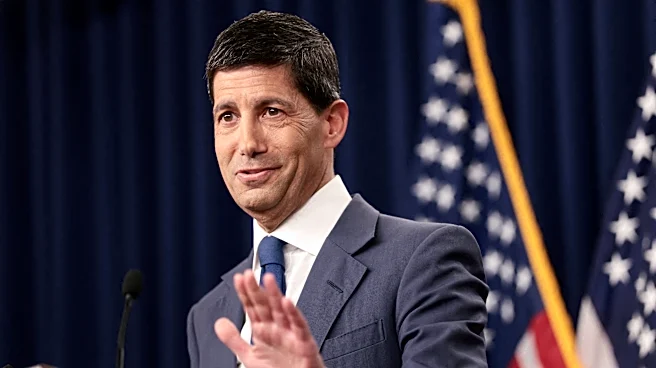
Federal Reserve Chair Kevin Warsh indicated on August 28, 2026, that the central bank might need to raise interest rates in the coming months due to persistently high inflation. Speaking at the Fed’s annual economic symposium in Jackson Hole, Wyoming,
Warsh emphasized that while there has been some cooling in inflation data, underlying trends have not significantly improved. The Fed's preferred inflation measure, the personal consumption expenditures (PCE) price index, stood at 3.7% in July, exceeding the central bank's 2% target. Warsh stated that 54% of goods and services tracked by the government experienced price increases of 3% or higher in the past year, a figure significantly above pre-pandemic levels. He reiterated the Fed's firm commitment to its 2% price-stability objective and expressed skepticism about providing detailed forward guidance on future policy, preferring flexibility. Warsh also noted that current financial conditions might not be restrictive enough to slow the economy, citing robust business investment in artificial intelligence and strong consumer spending.
Why It's Important?
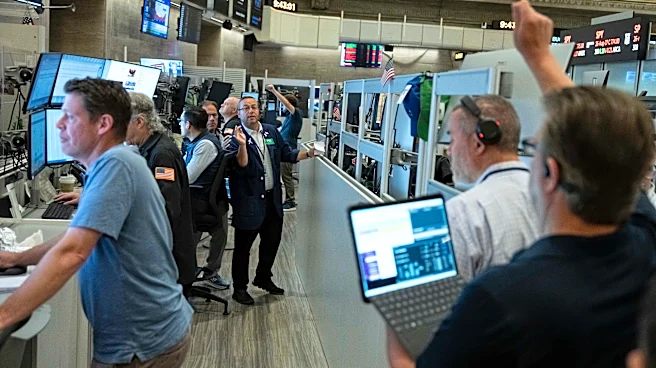
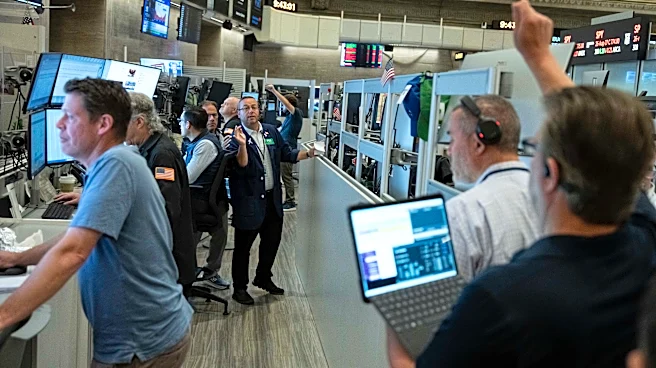
The potential for interest rate hikes signaled by Fed Chair Warsh carries significant implications for the U.S. economy, financial markets, and households. Higher interest rates typically lead to increased borrowing costs for consumers and businesses, which can slow economic growth by making loans for homes, cars, and investments more expensive. This could impact the housing market, where the 30-year fixed mortgage rate is already at 6.68%. Businesses, particularly those reliant on borrowing for expansion or operations, may face higher financing costs, potentially affecting investment and hiring decisions. For the stock market, tighter monetary policy can lead to decreased investor confidence and lower valuations. The Fed's actions are crucial for maintaining price stability, and a failure to curb inflation could erode purchasing power and economic certainty for millions of Americans. The two-year Treasury yield, a key indicator of Fed policy expectations, jumped after Warsh's speech, reflecting market anticipation of tighter monetary conditions.
What's Next?
Following Fed Chair Warsh's remarks, financial markets are now anticipating potential interest rate hikes. Futures pricing tracked by CME FedWatch indicates approximately a 50% chance of a rate hike at the next Federal Reserve meeting, scheduled for September 15-16. All eyes will be on the upcoming inflation data and economic indicators to see if price pressures begin to cool more decisively. The Fed's Board of Governors will convene to assess the economic landscape and determine the appropriate course of action. Political reactions are also expected, particularly from President Trump, who has previously advocated for lower interest rates and has been critical of Fed officials supporting higher rates. The ongoing efforts by Treasury Secretary Scott Bessent to buy back bonds to lower long-term interest rates will also be closely watched, as they could influence the broader financial environment and the effectiveness of the Fed's monetary policy.
Beyond the Headlines
The deeper implications of Fed Chair Warsh's stance extend beyond immediate economic adjustments. His skepticism about providing detailed forward guidance suggests a shift towards a more agile and data-dependent monetary policy, potentially increasing market volatility as investors have less certainty about future Fed actions. The robust business investment in artificial intelligence (AI) infrastructure, highlighted by Warsh, introduces a new variable into economic forecasting. While AI could drive significant productivity gains and economic growth, its impact on inflation and labor markets is still evolving and poses complex challenges for monetary policy. The political pressure from President Trump regarding interest rates underscores the ongoing tension between the Fed's independent mandate for price stability and political desires for economic growth. This dynamic could influence the Fed's credibility and its ability to act decisively. Furthermore, the U.S. government's ballooning deficits and heavy borrowing contribute to rising long-term interest rates, creating a challenging fiscal backdrop for the Fed's efforts to manage inflation.