
What's Happening?
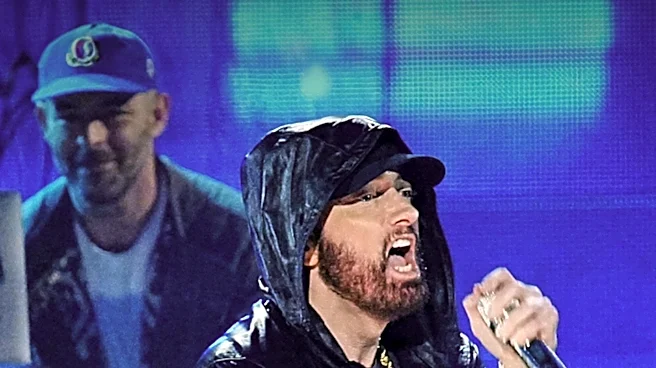
Eminem's music publisher, Eight Mile Style LLC and Martin Affiliated LLC, has filed a lawsuit against the artificial intelligence music-generation company Suno. The complaint, filed in the U.S. District
Court for the Northern District of California on November 6, alleges that Suno used 269 of Eminem's copyrighted songs, including hits like “Lose Yourself,” “The Real Slim Shady,” “Stan,” “Without Me,” and “Till I Collapse,” as training material for its AI models without authorization. The publisher claims these songs were obtained from platforms such as YouTube Music, Deezer, and Genius. The lawsuit seeks statutory damages of up to $150,000 per infringed work, totaling over $40.35 million. Additionally, the plaintiffs accuse Suno of altering or removing copyright metadata from Eminem's songs. Eminem himself is not listed as a plaintiff in the lawsuit.
Why It's Important?
This lawsuit highlights a growing legal battle between content creators and AI developers regarding the unauthorized use of copyrighted material for training AI models. The outcome could set a significant precedent for the music industry and the broader creative economy, influencing how AI companies acquire and utilize data. If successful, the lawsuit could force AI developers to secure licenses for copyrighted content used in training, potentially leading to new revenue streams for artists and publishers or increasing development costs for AI firms. Conversely, if Suno prevails, it could embolden AI companies to continue using publicly available data without explicit permission, raising concerns about intellectual property rights in the age of artificial intelligence. This case underscores the urgent need for clear legal frameworks and ethical guidelines for AI development and deployment.
What's Next?
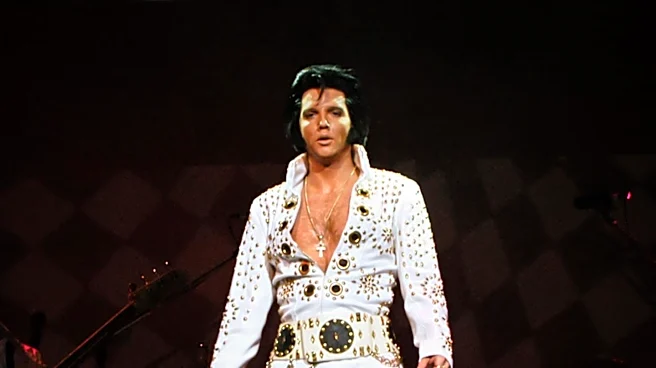
Suno has responded to the allegations by stating that its platform is designed to help users create original music and prohibits the unauthorized use of artists' work. The company claims it does not allow prompts for specific artists' names and songs and works with third-party providers to screen uploaded audio files and lyrics for potential misuse. The lawsuit will proceed in the U.S. District Court for the Northern District of California, where both parties will present their arguments. This case is part of a larger trend, as Suno is also facing litigation from rights-holders of Elvis Presley’s music, who are reportedly seeking $202 million in a separate copyright dispute. The legal proceedings will likely involve complex arguments about fair use, transformative use, and the definition of copyright infringement in the context of AI training data.
Beyond the Headlines
The lawsuit against Suno delves into the complex ethical and legal questions surrounding AI's impact on intellectual property. The core issue revolves around whether the use of copyrighted material to train AI models constitutes fair use or infringement. This case could redefine the boundaries of copyright law in the digital age, particularly concerning generative AI. It also raises questions about the future of creative industries, as AI tools become increasingly sophisticated. The potential for AI to generate new content based on existing works without proper attribution or compensation could devalue human creativity and disrupt traditional artistic livelihoods. The legal battle may also prompt legislative action to clarify copyright laws for AI, potentially leading to new regulations that balance innovation with the protection of creators' rights.