


What's Happening?
The trend of at-home head spa rituals is rapidly growing, with searches for scalp spas increasing by over 150% in a single year, according to trend tracker Spate. This surge reflects a broader 'skinification' of hair care, where individuals are treating
their scalp with the same attention given to facial skin. An at-home head spa typically involves a 20-30 minute routine that begins with gentle brushing of dry hair to loosen flakes and buildup. This is followed by an optional pre-treatment with a light oil like jojoba or argan for dry scalps, or a lightweight serum for oily scalps. The core of the ritual is a 4-5 minute scalp massage using fingertips, moving in slow circles from the hairline to the crown and then from behind the ears to the nape of the neck. Warmth is then applied using a damp towel for 10 minutes, followed by a double cleanse with lukewarm water and a gentle shampoo focused on the scalp. Finally, conditioner is applied only to the mid-lengths and ends, rinsed with cool water, and hair is gently dried.
Why It's Important?
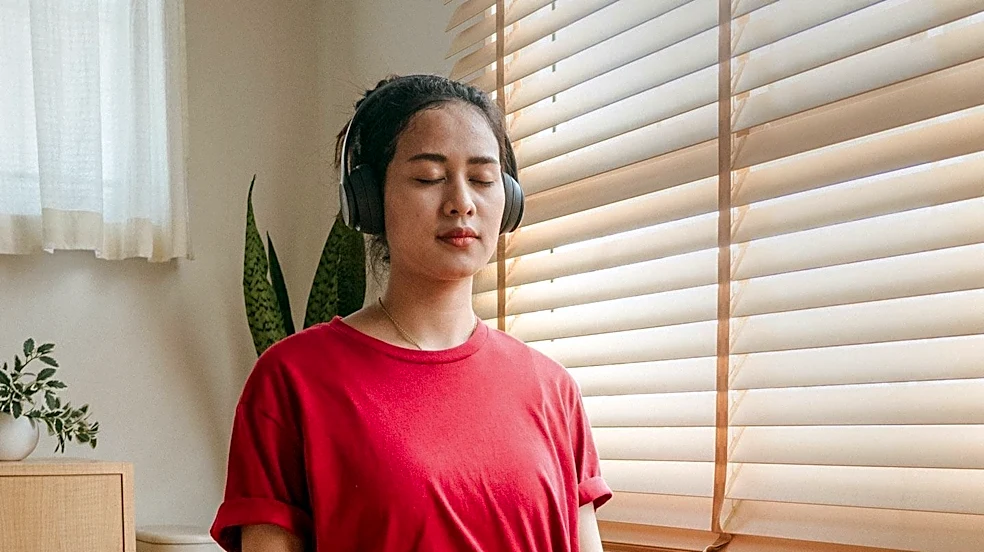
This growing emphasis on scalp health is significant because a healthy scalp is foundational for healthy hair growth. Neglecting the scalp can lead to issues such as dryness, oiliness, itchiness, flakes, and dull-looking hair. By adopting head spa rituals, individuals can improve the balance and cleanliness of their scalp, potentially leading to stronger, shinier hair. The practice also offers a significant wellness benefit, providing a relaxing and self-care oriented experience that can reduce stress. While not a cure for hair loss or a replacement for medical care, consistent scalp care can support overall hair health and address common concerns like product buildup and irritation. The accessibility of at-home routines makes this beneficial practice available to a wider audience without the need for expensive salon treatments.
What's Next?
The increasing popularity of at-home head spa rituals suggests a continued expansion in the market for scalp-focused hair care products. Consumers can expect to see more specialized shampoos, conditioners, oils, serums, and tools designed for scalp exfoliation, massage, and treatment. Salons are also likely to integrate and enhance head spa services to meet client demand, offering professional-grade treatments that complement at-home routines. Further research into ingredients like rosemary oil, which has shown some promising early results for hair thickness, may lead to new product innovations. The trend also highlights a broader shift towards holistic beauty and wellness, where self-care practices are integrated into daily routines for both physical and mental well-being.
Beyond the Headlines
The 'skinification' of hair care reflects a deeper cultural shift towards understanding the interconnectedness of bodily health. Just as skincare has evolved to address specific concerns, hair care is now moving beyond superficial treatments to focus on the root cause of many hair issues—the scalp. This trend encourages a more mindful approach to personal care, transforming routine tasks into intentional rituals that promote relaxation and well-being. It also underscores the power of accessible self-care practices in a fast-paced world, offering a simple yet effective way for individuals to de-stress and nurture themselves. The emphasis on gentle, consistent care over quick fixes also aligns with a growing consumer preference for sustainable and holistic health solutions.