
What's Happening?
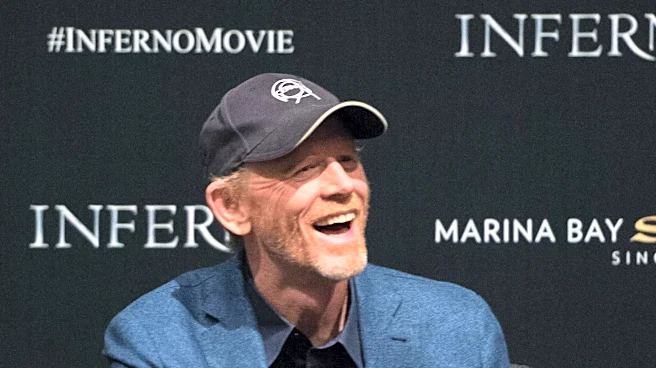
Director Ron Howard has offered an update on the possibility of a live-action sequel to the 2000 film 'How the Grinch Stole Christmas,' starring Jim Carrey. Howard stated that neither he nor Carrey would proceed with a sequel unless the script was exceptionally
strong. Currently, there is no script, though a concept exists that Howard believes aligns with Dr. Seuss's spirit of comedy and fantasy. The original film, despite mixed critical reception, was a box office success, grossing $350 million globally against a $123 million budget and earning three Academy Award nominations, winning one for Best Makeup. Carrey's previous experience with the Grinch makeup and contact lenses caused him significant discomfort, leading to panic attacks between takes. However, Howard noted that modern technical advancements could alleviate some of these issues, and Carrey remains physically fit and capable of a demanding performance. The filmmakers are proceeding cautiously, emphasizing that the quality of the script is paramount to avoid tarnishing the legacy of the original holiday classic.
Why It's Important?
This development is significant for the entertainment industry, particularly for Universal Pictures, which distributed the original film. A sequel to a beloved holiday classic like 'How the Grinch Stole Christmas' has the potential for substantial box office revenue and merchandising opportunities, especially given its enduring popularity as a seasonal tradition in many households. The involvement of original stars Ron Howard and Jim Carrey is crucial, as their return would likely draw a large audience, capitalizing on nostalgia and their established comedic chemistry. However, the cautious approach highlights the risks associated with sequels to iconic films; a poorly received follow-up could negatively impact the brand and legacy of the original, potentially leading to financial losses and audience disappointment. The emphasis on a strong script underscores the creative challenges in extending a well-known story while maintaining its integrity and appeal to both original fans and new generations.
What's Next?
The immediate next step for the potential 'How the Grinch Stole Christmas' sequel is the development of a robust script. Ron Howard mentioned that Alec Berg, Jeff Schaffer, and David Mandel, who previously worked on the live-action 'Cat in the Hat' movie, are involved as writers. Their task will be to craft a storyline that is compelling enough to meet the high standards set by Howard and Carrey. The narrative possibilities remain open, with questions such as whether the Grinch might revert to his old ways or encounter other green-furred characters needing to learn about the holiday spirit. The project will only move forward if both Howard and Carrey are convinced of the script's potential for greatness. This suggests a potentially lengthy development process, as securing a script that satisfies all parties for such a high-profile project can be challenging. Fans will likely await further announcements regarding script progress and official production timelines.
Beyond the Headlines
The cautious approach to a 'Grinch' sequel reflects a broader trend in Hollywood where studios grapple with balancing commercial interests with creative integrity, especially concerning established intellectual properties. The discomfort Jim Carrey experienced with the original film's extensive makeup highlights the physical and psychological demands placed on actors in transformative roles, a factor that modern filmmaking technology aims to mitigate. This situation also touches upon the cultural impact of holiday films; 'How the Grinch Stole Christmas' has become an 'evergreen' movie, deeply embedded in holiday traditions. Any sequel would face immense scrutiny from an audience deeply invested in the original's charm and message. The decision to prioritize script quality over a quick cash-in demonstrates a recognition of the delicate balance required to extend a beloved narrative without diluting its cultural significance or alienating its dedicated fanbase, potentially influencing how other classic properties are approached for future adaptations.