



What's Happening?
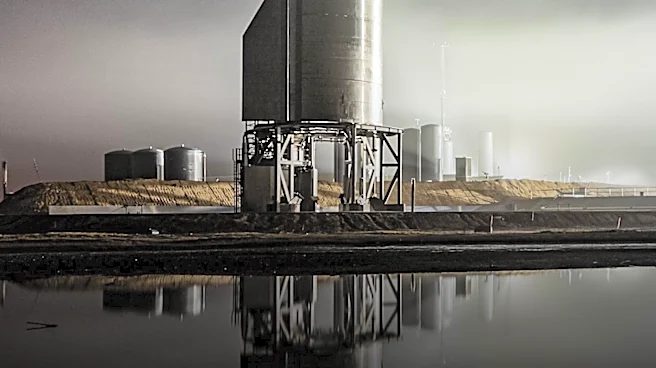
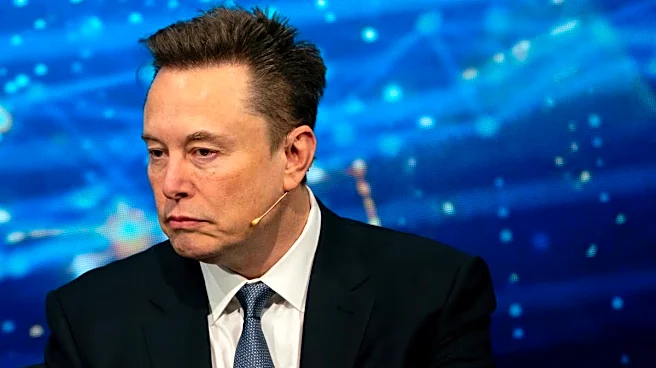
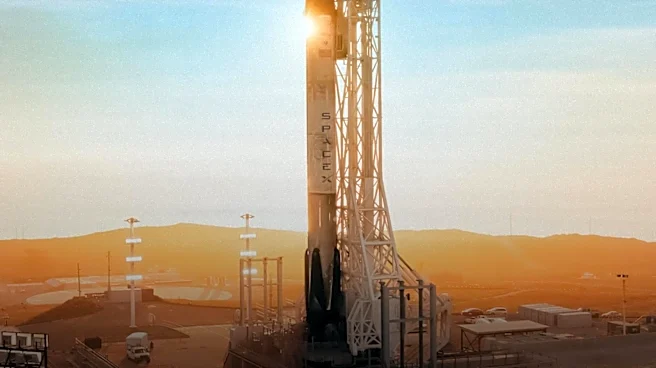
SpaceX is establishing an in-house foundry in Bastrop, Texas, to manufacture critical components for natural gas turbines, specifically turbine blades and vanes. This strategic move aims to significantly reduce the time required to bring new gas turbines online,
potentially by up to 18 months. The company's CEO, Elon Musk, has highlighted that these components are a major bottleneck in current turbine production, leading to extended wait times for the equipment essential for powering new data centers. By vertically integrating this manufacturing process, SpaceX seeks to overcome the electricity supply challenges posed by the rapidly expanding artificial intelligence (AI) sector. The initiative is crucial for SpaceX's plans to rapidly deploy AI data centers and could also benefit Tesla's energy business by accelerating the build-out of necessary power infrastructure.
Why It's Important?
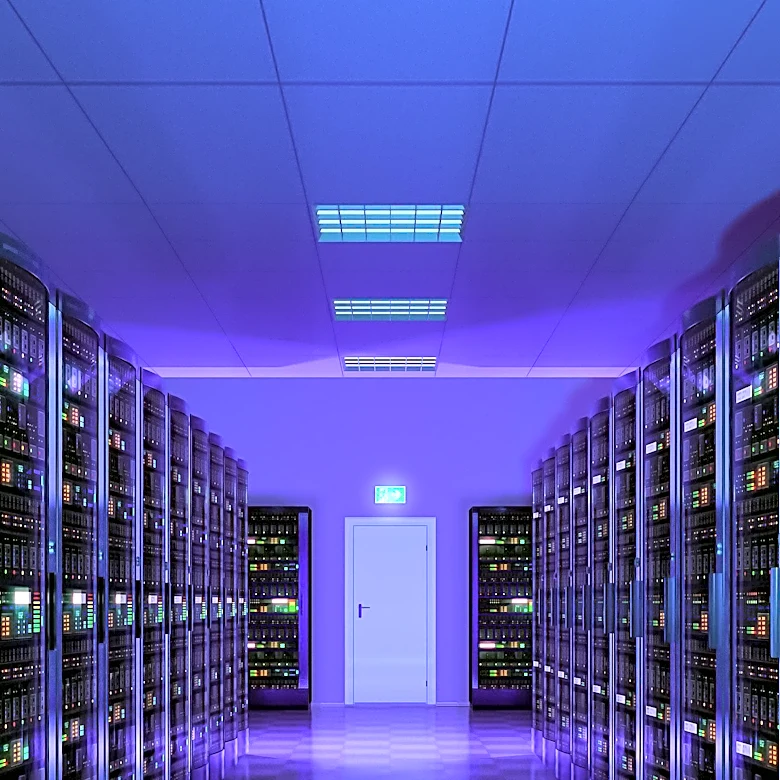
The development of an in-house foundry by SpaceX is a significant step towards addressing the growing energy demands of the AI industry. The enormous computing capacity required by AI infrastructure, particularly graphics processing units (GPUs), necessitates substantial electricity generation. Current supply chain constraints in turbine manufacturing pose a serious threat to the rapid expansion of AI data centers. By shortening the deployment timeline for power generation, SpaceX can accelerate its AI infrastructure build-out, potentially bringing expensive computing equipment online and generating revenue much sooner. This move also enhances SpaceX's control over its expansion plans and reduces its reliance on external suppliers, offering greater operational flexibility and efficiency in a critical area of its diversified business strategy.
What's Next?
SpaceX will focus on proving its capability to reliably manufacture turbine blades and vanes at scale within its new Bastrop foundry. This will involve overcoming the significant technical challenges associated with producing components that must withstand extreme temperatures and stresses. If successful, this in-house production could enable SpaceX to meet its ambitious goal of building 10 GW or more of terrestrial data centers by the end of 2027. The foundry could also potentially manufacture castings for SpaceX's Raptor rocket engine turbopumps, further leveraging the investment across its space and AI operations. The progress in Bastrop will be closely watched as it could set a new precedent for how large-scale energy infrastructure is developed to support emerging technologies.
Beyond the Headlines
This initiative by SpaceX underscores a broader trend of vertical integration within technology companies as they seek to control critical aspects of their supply chains and accelerate innovation. The move highlights the profound impact of AI on global energy demands, pushing companies to invest directly in power generation solutions. It also signals a potential shift in the energy sector, where technology companies are becoming significant players in energy infrastructure development rather than just consumers. The success of SpaceX's foundry could inspire other tech giants to explore similar strategies, potentially reshaping the energy landscape and accelerating the adoption of new manufacturing techniques for critical energy components. The ethical implications of such rapid energy infrastructure expansion, particularly concerning environmental impact and resource allocation, will also become increasingly relevant.