



What's Happening?
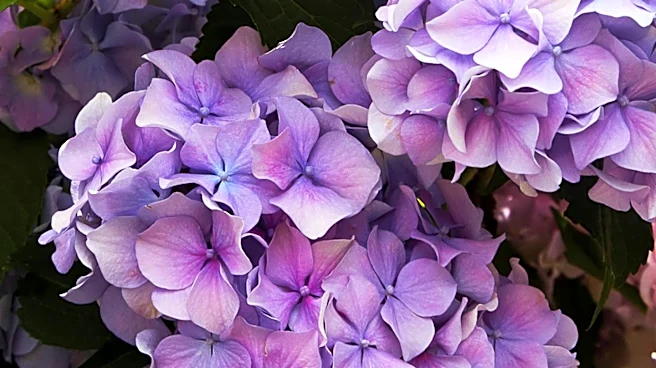
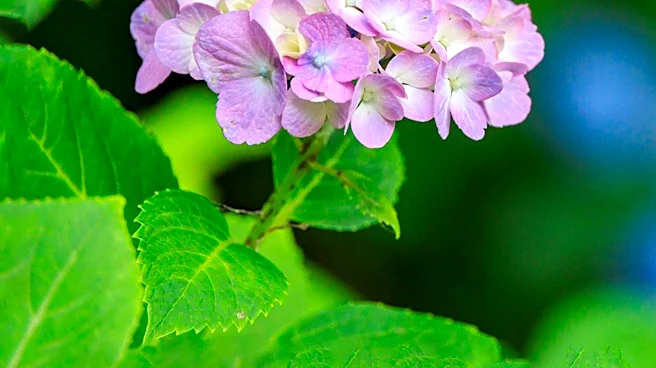
Hydrangeas, popular for their vibrant blooms, often undergo a color change to green as they mature. This transformation is influenced by environmental factors such as cooler nights and changing light levels as summer transitions to fall. The color shift
is a natural part of the plant's life cycle, particularly in bigleaf hydrangeas, and is not indicative of poor health. Gardeners can maintain healthy blooms by providing consistent moisture and suitable growing conditions. Some hydrangea varieties are naturally green or develop green tones as they mature, adding a sophisticated look to gardens.
Why It's Important?
Understanding the reasons behind hydrangeas turning green is crucial for gardeners aiming to maintain healthy and aesthetically pleasing plants. Recognizing that this color change is a natural process rather than a sign of distress allows gardeners to focus on providing optimal care rather than unnecessary interventions. This knowledge helps in planning garden aesthetics, as the green hues can complement late-season landscapes. Additionally, it highlights the importance of adapting gardening practices to seasonal changes, ensuring that plants receive the necessary care throughout their growth cycle.