






What's Happening?
Uber CEO Dara Khosrowshahi announced a reduction of 3,300 jobs, representing a tenth of its global workforce. This marks the largest job cut since the COVID-19 pandemic, which saw 3,700 positions eliminated. Khosrowshahi stated that these cuts are not
due to an economic downturn, as Uber has experienced significant growth over the past five years. Instead, the restructuring aims to make the company more agile and efficient by simplifying its organizational structure. The company reduced the number of employees seven or more layers removed from the CEO by 20% and halved the number of 'micro-teams.' The savings from these cuts will be reinvested into growth, innovation, and key future capabilities, particularly in advancing Uber's robotaxi initiatives.
Why It's Important?
This significant job reduction at Uber, despite its double-digit growth, signals a strategic pivot towards an autonomous future and a leaner operational model. For the U.S. tech industry, it highlights the ongoing impact of artificial intelligence and automation on employment, even within rapidly expanding companies. The reinvestment of savings into robotaxi development underscores Uber's long-term vision to transform urban transportation, potentially disrupting traditional ride-sharing and car ownership models. This move could lead to a more efficient and cost-effective service for consumers in the future, but it also raises questions about the future of human drivers in the gig economy. The shift reflects a broader trend in Silicon Valley where companies are optimizing for AI-driven solutions, potentially leading to further workforce adjustments across the sector.
What's Next?
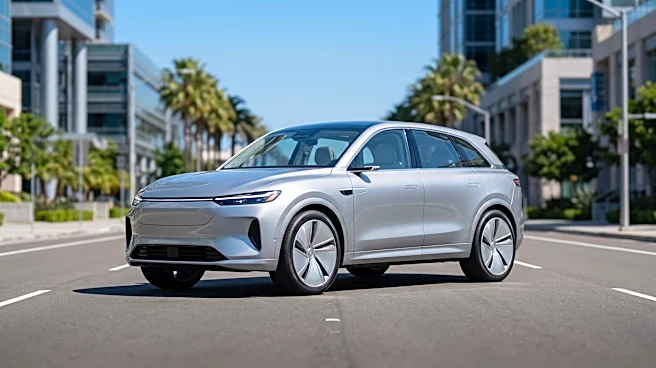
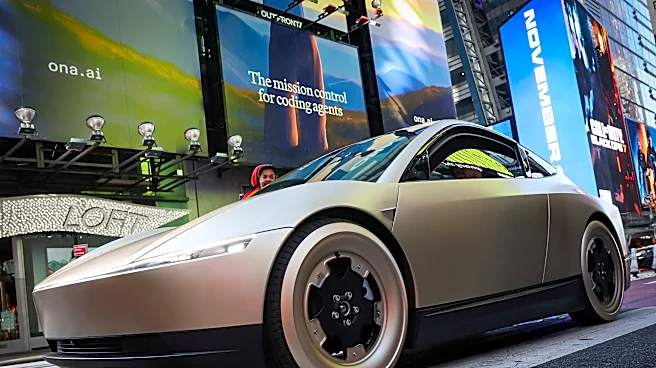
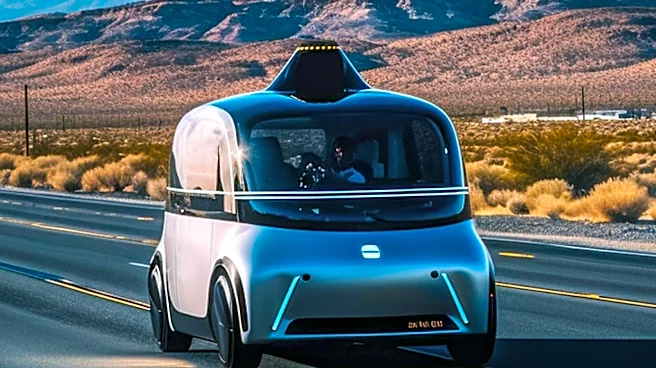
Uber plans to commit $10 billion to bring self-driving cars to market at scale, aiming to become the 'world’s leading commercialization platform for autonomous vehicles.' This involves deploying 120,000 robotaxis through partnerships with companies like Rivian, Baidu, and Pony.ai. The company's president and chief operating officer, Andrew Macdonald, predicts that car ownership will decline significantly in the next 15 to 20 years, with self-driving cars and bikes filling the void. This strategic shift will require substantial technological advancements and regulatory approvals. The success of this initiative will depend on the effective integration of autonomous technology, public acceptance, and the ability to navigate complex legal and ethical challenges associated with self-driving vehicles. The job cuts are an initial step in reallocating resources to support this ambitious future.
Beyond the Headlines
Uber's aggressive push into robotaxis, marked by significant job cuts and substantial investment, points to a profound transformation in the future of transportation and urban living. The vision of a world where personal car ownership is largely obsolete, replaced by on-demand autonomous vehicles, has far-reaching societal implications. This shift could alleviate traffic congestion, reduce pollution, and make transportation more accessible, but it also poses challenges related to job displacement for professional drivers, ethical considerations in autonomous decision-making, and the equitable distribution of these new technologies. The move also highlights the increasing dominance of AI and automation in shaping economic landscapes, forcing industries to adapt or risk obsolescence. The long-term success of Uber's robotaxi strategy could set a precedent for how other industries integrate advanced AI, fundamentally altering labor markets and consumer behaviors.