


What's Happening?
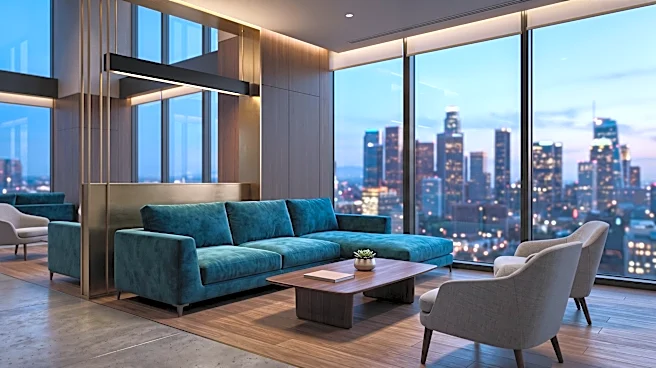
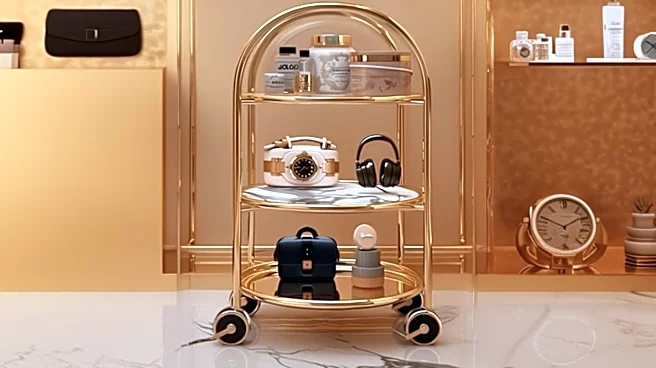
Luxury brands are increasingly using hotels and resorts as alternative physical showrooms to market and sell their merchandise, moving beyond traditional retail spaces. This strategy involves various approaches, such as pop-up retail footprints within
luxury resorts, as seen with Lela Rose's activations at Caldera House in Wyoming and Montage Big Sky in Montana, which featured specialized merchandise and events. Consumer packaged goods companies like Public Goods are supplying refillable toiletries to hospitality partners, allowing guests to experience products over multiple days. Additionally, some hotels are collaborating with brands to create exclusive collections, such as The St. Regis Chicago's capsule collection with Drake's and Spanx's resort capsule with The Shelborne By Proper and Montauk Yacht Club. This shift allows brands to offer tailored merchandise, create content, and provide a more immersive product trial experience for guests in a relaxed setting, moving away from the immediate pressure of conventional retail environments.
Why It's Important?
This trend signifies a strategic pivot in marketing and retail, offering brands a unique avenue to engage with consumers and drive sales. By integrating products into the guest experience, brands can foster deeper connections and allow for extended product trials, which is particularly beneficial for lifestyle brands seeking to build trust and loyalty. The hotel showroom model provides a captive audience in a premium setting, leading to higher engagement and conversion rates; for instance, Public Goods reported that a significant portion of its new customers discovered the brand through Airbnb or hotels. This approach also enables brands to create curated experiences and content tailored to specific locations or events, transforming a retail transaction into a memorable part of a vacation. For the hospitality industry, these partnerships can enhance guest amenities, offer unique retail opportunities, and potentially generate additional revenue streams, while providing guests with convenient access to luxury goods and services.
What's Next?
The integration of luxury merchandise into hospitality settings is expected to continue expanding, with more brands exploring this experiential retail model. Marketers will likely focus on refining field execution plans to convert vacation mindsets into lasting retail habits, requiring careful coordination with hotel management, housekeeping, and local regulations. Brands will need to invest in specialized training for their field teams to align with the service-first culture of luxury resorts. The success of these initiatives will depend on developing clear mechanisms to track subsequent purchases and measure the commercial impact beyond initial impressions. As domestic travel spending is projected to grow, brands that effectively leverage this strategy can capitalize on consumers' willingness to spend on shopping and souvenirs during vacations, further blurring the lines between hospitality and retail.
Beyond the Headlines
This evolving retail strategy highlights a broader shift in consumer behavior, where experiences are increasingly valued over mere transactions. By embedding products within a luxury travel experience, brands tap into consumers' desire for curated, personalized, and memorable interactions. This approach also raises questions about the future of traditional brick-and-mortar retail, suggesting a move towards more experiential and less transactional physical spaces. The ethical implications of product placement in private guest spaces, and the potential for blurring the lines between genuine hospitality and commercial promotion, may also become more prominent. Furthermore, the success of this model could lead to innovations in how brands collect data on consumer preferences and purchasing habits within these unique environments, potentially influencing product development and marketing strategies across various industries.