



What's Happening?
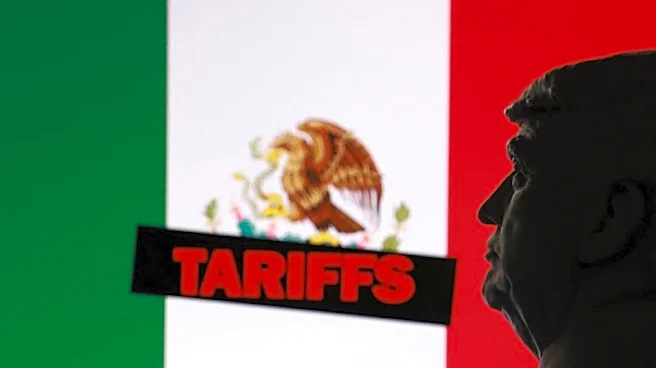
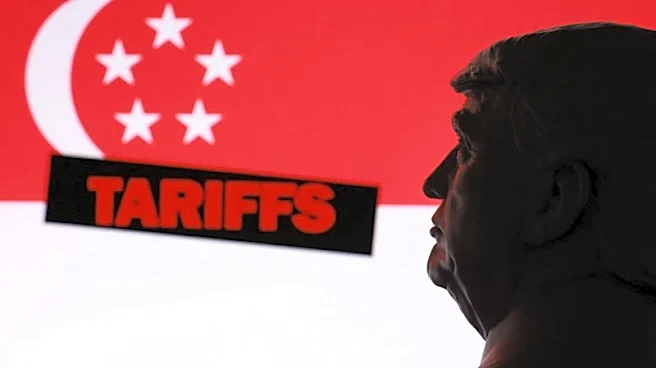
The U.S. government, through the Office of the U.S. Trade Representative (USTR), has proposed a new round of tariffs that could significantly impact the price of game consoles in 2027. These proposed tariffs could reach up to 35% on goods from Vietnam
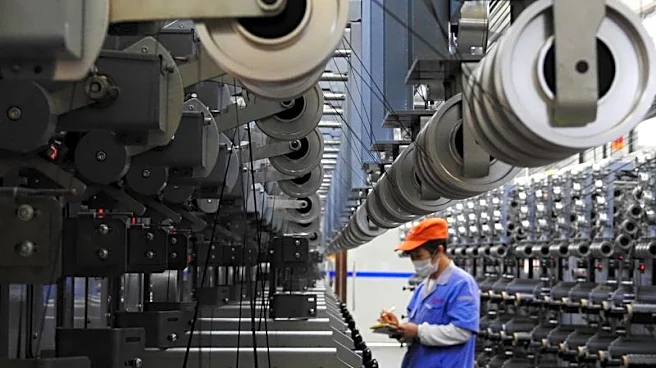
and up to 40% on goods from China, the primary assembly locations for most consoles. This proposal follows an investigation into 'excess capacity' in these countries. The legal basis for these tariffs is Section 301 of the Trade Act of 1974, which allows the U.S. to respond to trade practices deemed unfair. This development comes after previous tariffs were struck down by the Supreme Court in February, yet console prices continued to rise due to a global memory chip shortage. Console manufacturers like Sony, Microsoft, and Nintendo had previously shifted production from China to Vietnam to avoid earlier tariffs, but Vietnam is now also a target.
Why It's Important?
These proposed tariffs are highly significant for U.S. consumers and the gaming industry. If implemented, they would add another layer of cost on top of existing pressures from memory chip shortages, potentially leading to further price increases for consoles in 2027. This could make gaming hardware less accessible for many consumers, impacting sales and market growth. For console manufacturers, the tariffs represent a substantial financial burden, as they are paid by the importing company and often passed on to consumers. The move also highlights the complexities of global supply chains and trade policies, as companies that diversified production to mitigate previous tariff risks now face new challenges. This could force a re-evaluation of manufacturing locations and supply chain strategies, potentially leading to higher operational costs and ultimately higher retail prices.
What's Next?
The proposed tariffs are not yet final. The process involves several stages, including public comments from companies, trade groups, and consumers, followed by public hearings scheduled for early 2027. Trade talks between the U.S. and affected countries like Vietnam and China could also influence the final tariff rates; for instance, Vietnam's rate could reportedly drop to 20% with a trade deal. A final decision on the duties will only be made after these processes are complete, with January 2027 being the earliest potential start date. Consumers should not expect immediate price changes this holiday season due to this proposal, but any effects would manifest in 2027 pricing decisions. Console makers will likely continue to warn about rising costs, and future console generations may launch at higher price points.
Beyond the Headlines
This tariff proposal underscores a broader shift in global trade policy, where the U.S. is increasingly using tariffs as a tool to address perceived trade imbalances and 'excess capacity.' The targeting of Vietnam, a country many manufacturers moved to as an alternative to China, indicates a widening scope of trade actions. This could lead to a more fragmented global supply chain as companies seek new production locations less affected by tariffs, potentially increasing manufacturing complexity and costs. Furthermore, the situation highlights the ongoing tension between geopolitical trade strategies and the economic realities faced by consumer goods industries. The long-term implications could include a re-shoring of some manufacturing or a greater emphasis on regional supply chains, fundamentally altering how electronics are produced and distributed globally, and ultimately impacting consumer prices and product availability.