




What's Happening?
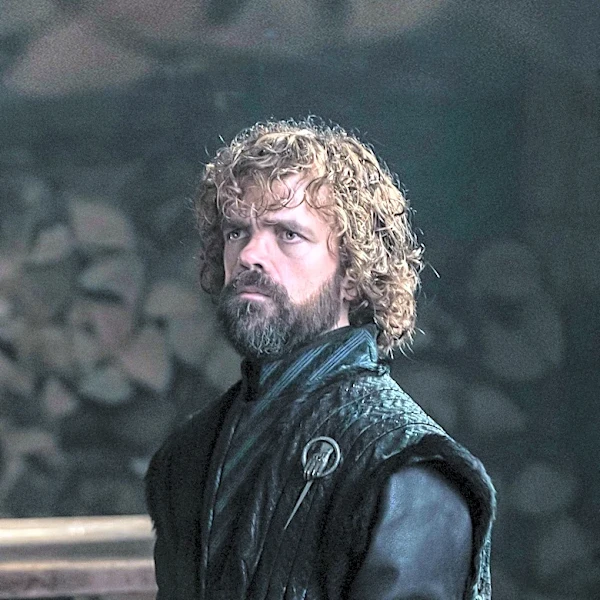
Disney has reached an agreement to license a selection of its movies and television shows to Netflix. This deal includes existing 'Ice Age' films, as well as the series 'Percy Jackson and the Olympians' and 'Will Trent.' The companies jointly announced
the licensing agreement on Friday. This move signifies a strategic shift for Disney, which has largely focused on retaining its content exclusively for its own streaming platforms in recent years. The decision to license content to a competitor like Netflix indicates a potential re-evaluation of content distribution strategies within the competitive streaming market.
Why It's Important?
This licensing agreement between Disney and Netflix is a significant development in the U.S. streaming industry, signaling a potential shift in the 'streaming wars' landscape. For years, major content creators like Disney have been pulling their content from third-party platforms to bolster their proprietary streaming services. This new deal suggests a more flexible approach, potentially driven by the desire to maximize revenue from existing content libraries or to reach broader audiences. For Netflix, acquiring popular Disney titles like 'Ice Age' and 'Percy Jackson and the Olympians' could help attract new subscribers and retain existing ones, enhancing its content catalog against fierce competition. This collaboration could also influence future content licensing discussions across the industry, potentially leading to more cross-platform content sharing and a less fragmented streaming experience for consumers.
What's Next?
Following this licensing agreement, Netflix subscribers can anticipate the addition of the specified Disney movies and TV shows to their platform. The exact rollout schedule for these titles will likely be announced by Netflix. This deal could also prompt other major studios to reconsider their exclusive content strategies, potentially leading to more licensing agreements between competing streaming services. Industry analysts will be closely watching the performance of these licensed titles on Netflix to gauge the financial and strategic benefits for both companies. Furthermore, this agreement might pave the way for future collaborations or content exchanges between Disney and other platforms, indicating a more dynamic and less rigid approach to content distribution in the evolving streaming market.
Beyond the Headlines
The Disney-Netflix licensing deal, while seemingly a straightforward business transaction, carries deeper implications for the future of content consumption and the competitive dynamics of the entertainment industry. It challenges the prevailing notion that exclusive content is the sole driver of streaming success, suggesting that revenue diversification and broader audience reach might also be key strategic objectives. This move could lead to a more interconnected streaming ecosystem, where consumers have access to a wider array of content across fewer platforms, potentially reducing subscription fatigue. However, it also raises questions about the long-term value of exclusive content and how platforms will differentiate themselves if their unique offerings become less distinct. The ethical considerations around content ownership and accessibility, particularly for legacy titles, will also come into sharper focus as these licensing arrangements become more common.