






What's Happening?
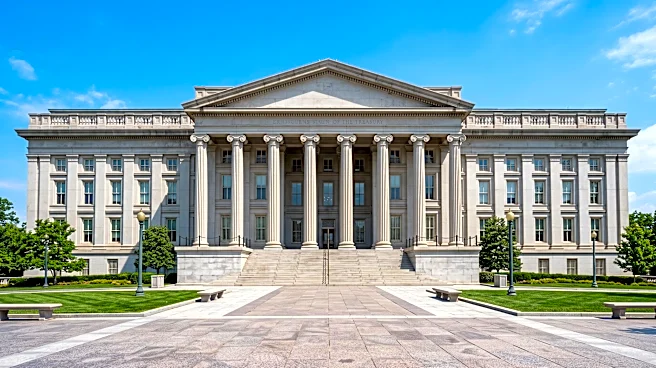
The U.S. Department of the Treasury and the IRS have announced the designation of 6,576 new Qualified Opportunity Zones (QOZs) across all 50 states, U.S. territories, and the District of Columbia. These new designations, which will take effect on January
1, 2027, and remain in place for 10 years, mark a significant milestone for the Opportunity Zone program. This program, made permanent by Congress last year, now includes a recurring process for redesignating zones every decade. Of the newly designated zones, 2,594 are rural census tracts, representing over 39% of the total. These new zones will operate under revised rules that offer enhanced incentives for investments in rural communities. The designations follow a process where governors and the mayor of the District of Columbia nominated eligible census tracts from a pool of 25,332 identified by the Treasury and IRS earlier this year.
Why It's Important?
The designation of these new Opportunity Zones is crucial for stimulating private investment in economically distressed communities across the U.S. The Opportunity Zone program, established in 2017, aims to encourage long-term investment in low-income areas through federal tax incentives. With over $110 billion in private-sector investment generated since its inception, the program has proven to be a significant tool for economic development. The enhanced incentives for rural communities, including a 30% basis step-up for investments in qualified rural opportunity funds and reduced substantial improvement requirements, are particularly important. These changes are designed to make projects in smaller markets and lower-density communities more attractive to investors, potentially leading to job creation, infrastructure development, and improved living standards in these areas. Real estate developers, investors, and community leaders will now evaluate these new zones to identify potential projects and investment strategies.
What's Next?
With the designation process complete, developers and investors can now begin to evaluate the newly designated census tracts to identify potential investment opportunities. The U.S. Department of the Treasury's website provides a full list and map of these zones, allowing real estate decision-makers to pinpoint properties and communities that qualify for investment starting January 1, 2027. The new framework, with its stricter eligibility requirements and enhanced rural incentives, will guide investment decisions over the next decade. Investors will be able to defer capital gains invested in Qualified Opportunity Funds until the earlier of the sale of the investment or the fifth anniversary. The focus will now shift to the practical implementation of these investments and their impact on the designated communities.
Beyond the Headlines
The long-term impact of these new Opportunity Zone designations extends beyond immediate economic investment. The program's emphasis on rural areas, coupled with specific tax benefits, could help address the persistent economic disparities between urban and rural regions in the U.S. By incentivizing investment in these often-overlooked communities, the program has the potential to foster sustainable growth, improve access to essential services, and create a more equitable distribution of economic opportunities. However, careful monitoring will be necessary to ensure that investments genuinely benefit local residents and do not lead to gentrification or displacement. The success of this new phase of the Opportunity Zone program will depend on effective collaboration between investors, local governments, and community stakeholders to ensure that the intended positive outcomes are realized.