






What's Happening?
Germany has identified a significant investment and financing potential, estimated between €2.9 trillion and €4.1 trillion ($3.3-$4.6 trillion), by 2035 across several key growth areas. This projection comes from the 'Made for Germany' business initiative,
a cross-industry group comprising 147 companies and investors, including major players like Siemens and Deutsche Bank. The initiative's new report highlights five sectors where global capital opportunities align with Germany's industrial strengths and reform efforts: artificial intelligence (AI), industrial transformation and next-generation technologies, resilient energy systems, core infrastructure, and security and defense. While acknowledging Germany's high costs and regulatory burdens, the report suggests that initial reforms, combined with the country's political and legal stability, strong research base, skilled workforce, industrial depth, and access to Europe's single market, could attract substantial long-term capital.
Why It's Important?
This announcement is significant for the U.S. and global economy as it signals Germany's proactive approach to attracting foreign direct investment and strengthening its industrial base in critical future-oriented sectors. For U.S. businesses, particularly those in AI, advanced manufacturing, energy, and infrastructure, this represents a potential opportunity for expansion, partnerships, and market entry into one of Europe's largest economies. The focus on resilient energy systems and next-generation technologies aligns with global efforts towards sustainability and technological advancement, potentially fostering international collaboration and competition. The report's emphasis on Germany's political and legal stability, skilled workforce, and access to the European single market makes it an attractive destination for long-term capital. Conversely, it also highlights the competitive landscape for investment, as other nations vie for capital in these same high-growth areas. The success of Germany's initiative could influence investment strategies and policy decisions in other developed economies, including the U.S., as they seek to secure their own economic futures.
What's Next?
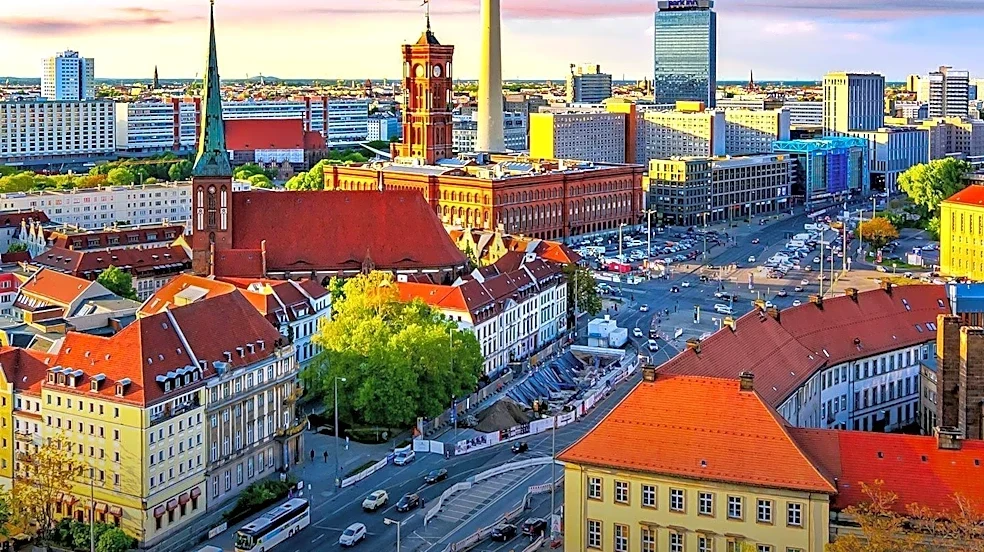
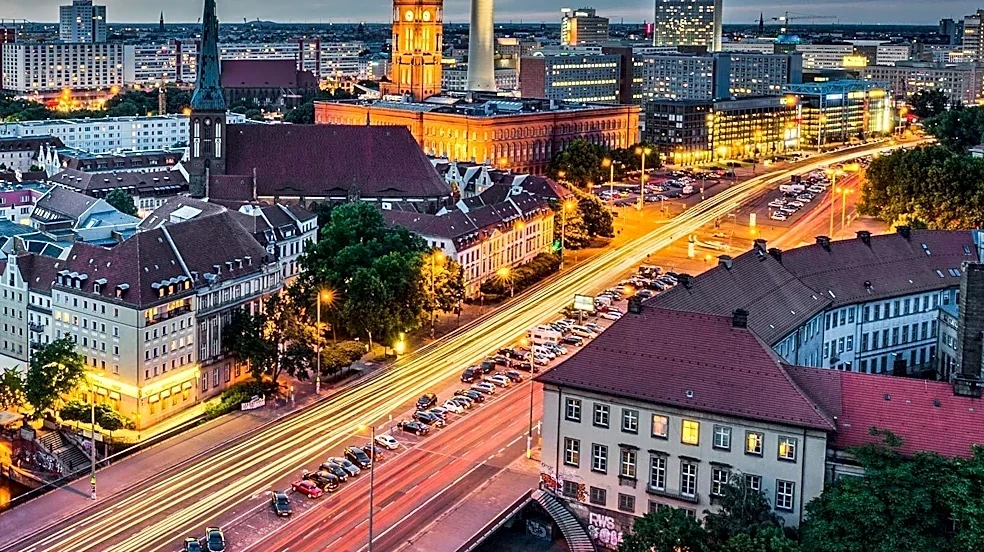
The 'Made for Germany' report will be presented to Economy Minister Katherina Reiche ahead of an investment summit in Berlin, indicating a concerted effort by the German government and industry to act on these findings. The initiative's members have already committed to investing over €850 billion through 2028, following more than €200 billion in 2025, and more companies and investors are being invited to join. Investment firms like Brookfield have already announced plans to invest 'tens of billions of euros' in Germany over the next five years, specifically targeting energy and digital infrastructure. The focus will now be on the implementation of policy reforms to cut red tape and further enhance Germany's attractiveness as an investment hub. The success of these efforts will be closely watched by international investors and governments, as it could set a precedent for how developed nations can leverage their strengths to secure future economic growth in a competitive global environment.
Beyond the Headlines
Beyond the immediate economic figures, Germany's strategic focus on AI, industrial transformation, and resilient energy systems reflects a broader global trend towards re-industrialization and technological sovereignty. In an era of increasing geopolitical competition and supply chain vulnerabilities, nations are prioritizing investments in critical technologies and infrastructure to enhance their economic resilience and strategic autonomy. The emphasis on Germany's stable political and legal environment, coupled with its strong research base, underscores the importance of foundational strengths in attracting high-value investments. This initiative also highlights the ongoing challenge for established industrial powers to adapt to new technological paradigms while addressing existing structural issues like high costs and regulatory burdens. The 'Made for Germany' initiative could serve as a model for how public-private partnerships can be leveraged to identify and capitalize on future growth opportunities, shaping the global economic landscape for decades to come.