






What's Happening?
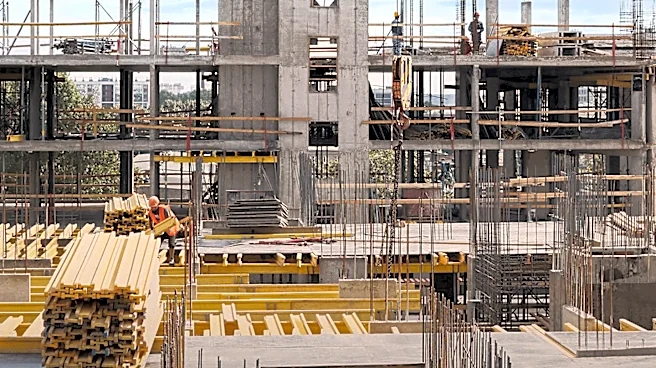
Biltema's new store in Åland is projected to incur significantly higher construction costs compared to similar projects in Sweden and mainland Finland. This increase is primarily due to the necessity of sourcing essential steel and concrete components
from outside Åland. According to Ålands Radio, Biltema's property company has had to adjust its plans because the local construction market lacks sufficient capacity for several project elements. Martin Norrman, CEO, stated that the production of steel and concrete components must be done elsewhere, leading to longer supply chains, elevated transport expenses, and more complex construction logistics. The absence of local steel fabrication means these crucial structural components must be shipped to Åland. Similarly, prefabricated concrete elements also need to be imported, contributing to the overall higher costs. The project also faced limited local competition during the tender process, with only one Åland-based company remaining in final negotiations. The contract was ultimately awarded to Swedish construction company Caragana Bygg, which offered a considerable price difference and greater experience in integrated design-and-build projects.
Why It's Important?
This situation highlights the economic challenges and logistical complexities that can arise in smaller, more isolated markets, even within developed regions. For businesses like Biltema, the inability to source materials locally directly impacts project budgets and timelines, potentially affecting their expansion strategies and profitability. The reliance on imported materials increases vulnerability to supply chain disruptions and fluctuating transportation costs, which can have broader economic implications for the retail and construction sectors. Furthermore, the limited local competition in Åland suggests potential market inefficiencies or a lack of specialized industrial capacity, which could hinder local economic development and job creation. The decision to award the contract to a foreign company, despite the desire to use local contractors, underscores the practical realities businesses face when local capabilities do not meet project demands or competitive pricing. This scenario could serve as a case study for other companies considering expansion into regions with similar industrial limitations, emphasizing the need for thorough pre-project assessments of local supply chain and labor market conditions.
What's Next?
The new Biltema store in Åland is scheduled to open in summer 2027, despite the higher construction costs. This project is part of Biltema's broader expansion strategy in Finland, where the Swedish retail chain plans to open ten additional stores. The company currently operates 24 stores in Finland and approximately 170 across the Nordic region. The successful completion and operation of the Åland store will likely provide valuable insights into managing construction projects in regions with limited local resources. Biltema may continue to evaluate its supply chain strategies for future expansions, potentially exploring partnerships or investments that could bolster local manufacturing capabilities in other target markets. The experience in Åland could also influence how local governments and economic development agencies in similar regions assess and address gaps in their industrial infrastructure to attract and support large-scale commercial projects.
Beyond the Headlines
The challenges faced by Biltema in Åland underscore a broader economic principle: the balance between local economic development and the efficiencies of global supply chains. While supporting local industries is often a policy goal, the practicalities of cost, capacity, and specialized expertise can lead companies to seek external solutions. This situation could spark discussions about the long-term sustainability of local economies that lack diverse industrial bases. It also raises questions about the environmental impact of extended supply chains, as increased transportation of heavy materials like steel and concrete contributes to carbon emissions. The reliance on external contractors and materials might also affect local employment opportunities, as specialized jobs are filled by non-local workers. This case highlights the intricate interplay between business expansion, regional economic development, and environmental considerations, suggesting that a holistic approach is needed to foster sustainable growth in all markets.