






What's Happening?
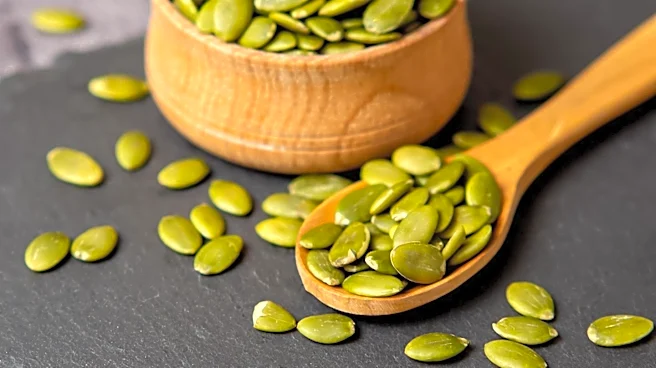
Pumpkin seeds, derived from the Cucurbita pepo plant, are increasingly recognized as a functional food due to their rich nutritional and therapeutic properties. They are an excellent source of high-quality protein, unsaturated fatty acids, and essential
minerals such as magnesium, zinc, iron, and potassium. Beyond macronutrients, pumpkin seeds contain numerous bioactive compounds, including phytosterols, antioxidants (vitamin E, carotenoids), cucurbitacins, lignans, and tryptophan. These components contribute to various health benefits, including promoting cardiovascular health, strengthening the immune system, and supporting digestive health. Traditionally consumed as both food and medicine, pumpkin seeds are versatile ingredients that can be incorporated into snacks, baked goods, salads, soups, and functional food products. The oil extracted from pumpkin seeds is also highly valued for its favorable fatty acid profile and antioxidant content.
Why It's Important?
The comprehensive nutritional profile of pumpkin seeds makes them a significant asset for public health and dietary improvement. Their high content of zinc, a crucial mineral for immune function, positions them as a natural immunobooster. The presence of unsaturated fatty acids, particularly linoleic and oleic acids, contributes to cardiovascular health by helping to lower cholesterol levels and reduce oxidative stress. Furthermore, the phytosterols in pumpkin seeds can actively compete with dietary cholesterol absorption, further supporting heart health. For individuals seeking plant-based protein sources, pumpkin seeds offer a complete amino acid profile, making them valuable for vegetarian and vegan diets. Their anti-inflammatory and antioxidant properties also play a role in preventing chronic diseases, making them a beneficial dietary component for a wide range of health-conscious consumers.
What's Next?
Further research is anticipated to fully establish the bioactivity of pumpkin seeds and their health benefits for humans, as well as to explore new methods for incorporating them into modern diets. This could lead to the development of more diverse functional foods and supplements utilizing pumpkin seed derivatives. The food industry may increasingly use pumpkin seed flour and protein isolates in products like spreads, bakery items, and meat substitutes to enhance nutritional value and sensory attributes. Additionally, ongoing studies may focus on specific compounds within pumpkin seeds, such as cucurbitacins, for their potential anti-cancer and anti-diabetic properties. Increased awareness campaigns could also encourage greater consumption of pumpkin seeds as a readily available and nutrient-rich food source.
Beyond the Headlines
The recognition of pumpkin seeds as a functional food extends beyond individual health benefits to broader implications for sustainable agriculture and food waste reduction. In many regions, pumpkin seeds are often discarded as waste after the pulp is used, representing a missed opportunity for nutritional and economic value. Promoting the utilization of pumpkin seeds can contribute to a circular economy by transforming agricultural by-products into valuable food resources. This also aligns with global efforts to diversify protein sources and reduce reliance on animal-based products. Furthermore, the traditional use of pumpkin seeds in medicine highlights a rich ethnobotanical heritage, suggesting potential for integrating traditional knowledge with modern scientific research to unlock further health applications and foster a more holistic approach to wellness.