




What's Happening?
The economic calendar is identified as an essential tool for traders and investors to anticipate market changes, manage risk, and make strategic trading decisions. This calendar forecasts market trends by tracking scheduled economic events, including
data releases and policy decisions. It aids in risk management by enabling investors to adjust their strategies in anticipation of major announcements, thereby mitigating potential losses. The calendar provides real-time data, facilitating quick and informed trading actions. It also supports strategic planning for both long-term investments and short-term trading opportunities. Furthermore, the economic calendar offers global insights, which are crucial for understanding international market dynamics. High-impact news and events often lead to substantial market volatility, making it advisable for traders to exercise caution during these periods.
Why It's Important?
The economic calendar is paramount for anyone involved in financial markets, from individual traders to large institutional investors, because it provides a structured framework for understanding and reacting to market-moving events. Without this tool, market participants would be operating with significant information asymmetry, making informed decisions nearly impossible. The ability to anticipate market trends based on scheduled economic releases, such as interest rate decisions, employment reports, or inflation figures, allows for proactive strategy adjustments. This proactive approach is critical for risk management, as unexpected market shifts can lead to substantial financial losses. For the U.S. economy, the calendar's insights into domestic data releases, like the Non-Farm Payrolls or Consumer Price Index, directly influence the valuation of U.S. assets, the strength of the dollar, and investor confidence. Its global insights also help U.S. businesses and investors navigate international trade and investment opportunities, highlighting the interconnectedness of global financial systems.
What's Next?
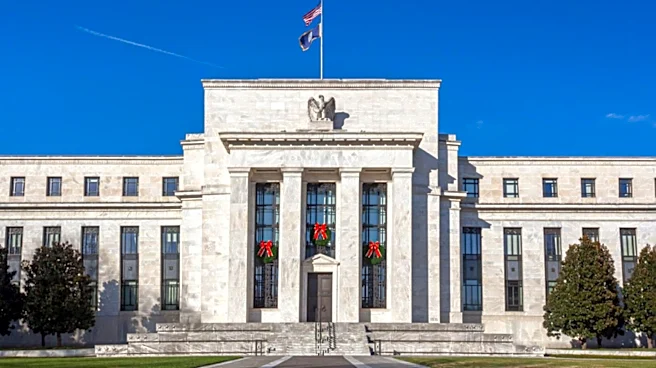
Traders and investors will continue to rely heavily on the economic calendar to navigate the volatile financial markets. As new economic data and policy decisions are scheduled, market participants will analyze these events to refine their trading strategies. The ongoing evolution of global economic conditions, including inflation trends, interest rate adjustments by central banks like the Federal Reserve, and geopolitical developments, will keep the economic calendar a dynamic and frequently updated resource. Financial news outlets and trading platforms will continue to integrate and highlight these calendar events, often providing real-time analysis and expert commentary. Furthermore, the development of more sophisticated analytical tools and artificial intelligence could enhance the predictive capabilities derived from economic calendar data, offering even more granular insights into potential market movements. This continuous cycle of data release, analysis, and strategic adjustment underscores the enduring importance of the economic calendar in financial decision-making.
Beyond the Headlines
Beyond its immediate utility for trading decisions, the economic calendar reflects the fundamental principles of market efficiency and information dissemination. It underscores how transparent and timely access to economic data is crucial for maintaining fair and orderly markets. The calendar also highlights the inherent tension between predictable, scheduled events and unpredictable 'black swan' events, both of which can significantly impact market stability. The emphasis on caution during high-impact news periods reveals the psychological dimension of trading, where emotional responses to volatility can lead to irrational decisions. Moreover, the global insights provided by the calendar illustrate the increasing interconnectedness of national economies, where a policy decision in one country can have ripple effects across international markets. This interconnectedness necessitates a holistic understanding of global economic indicators, moving beyond a purely domestic focus for U.S. investors and policymakers alike.