





What's Happening?
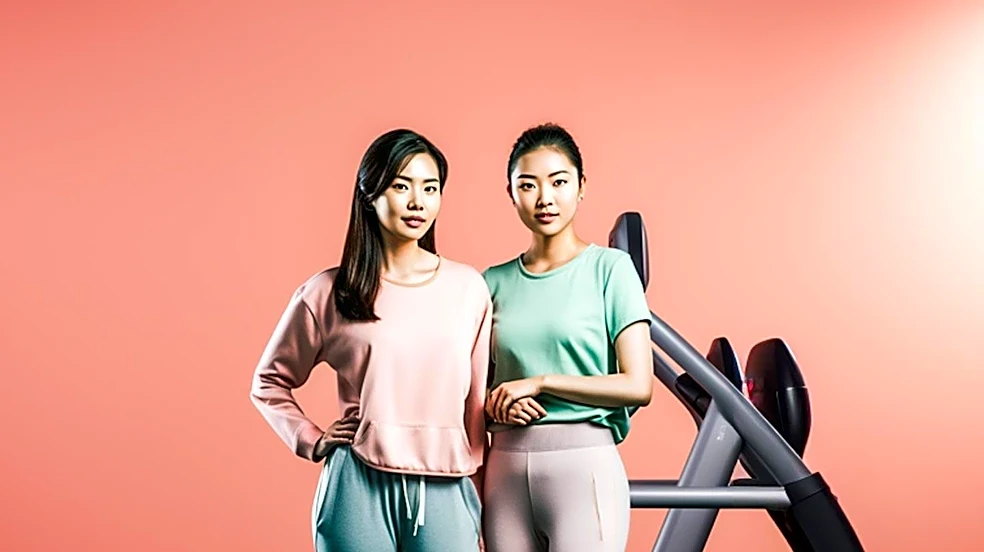
The athleisure market in North America is experiencing significant growth, characterized by a strong consumer preference for athletic wear as everyday casual clothing. This trend, which combines athletic and leisure elements, features items such as leggings,
hoodies, and sports bras. The demand for athleisure wear is a key driver for the projected growth in the tights and leggings market, which is expected to see steady expansion in the United States and Canada. Factors contributing to this growth include increasing fitness awareness, fashion-centric preferences, and the shift towards comfortable, versatile apparel, partly influenced by the rise of remote work. The market is also seeing advancements in sustainable fabrics, further fueling its development.
Why It's Important?
The continued expansion of the athleisure market in North America has significant implications for the U.S. retail and fashion industries. It signifies a fundamental shift in consumer preferences towards comfort and functionality in clothing, impacting design, manufacturing, and marketing strategies for apparel companies. Businesses that adapt to this trend by offering innovative, comfortable, and sustainable athleisure options stand to gain substantial market share. Conversely, traditional apparel retailers who fail to recognize and integrate athleisure into their offerings may lose out to more agile competitors. The focus on sustainable fabrics within this trend also pushes the industry towards more environmentally conscious production methods, potentially influencing supply chains and material sourcing across the broader fashion sector. This trend also reflects a societal emphasis on health and wellness, integrating fitness into daily life and influencing consumer spending habits.
What's Next?
The athleisure market in North America is expected to continue its growth trajectory, driven by ongoing fitness trends and evolving fashion preferences. Companies will likely further invest in research and development for advanced, sustainable fabrics to meet consumer demand for eco-friendly and high-performance apparel. We can anticipate increased competition among brands, leading to more diverse product offerings and potentially more accessible price points. The integration of technology into athleisure wear, such as smart textiles with features like temperature regulation, may also become more prevalent. Retailers will likely continue to adapt their strategies to cater to online shopping preferences and personalized experiences, potentially through subscription models or targeted marketing campaigns. The market's evolution will also be influenced by how effectively companies navigate regional challenges and comply with diverse regulations related to manufacturing and marketing textiles.
Beyond the Headlines
Beyond the immediate economic impact, the athleisure trend reflects deeper cultural shifts in the U.S. It blurs the lines between work, leisure, and fitness, indicating a more integrated and less formal approach to daily life. This shift can influence workplace dress codes, social norms, and even urban planning, as communities may prioritize spaces that support active lifestyles. The emphasis on comfort and versatility also speaks to a desire for practicality and ease in a fast-paced world. Furthermore, the growing demand for sustainable fabrics within athleisure highlights an increasing consumer consciousness regarding environmental impact, pushing the fashion industry towards greater accountability and innovation in ethical production. This trend could foster a long-term change in how clothing is perceived and consumed, moving away from purely aesthetic considerations towards a balance of style, comfort, and environmental responsibility.