




What's Happening?
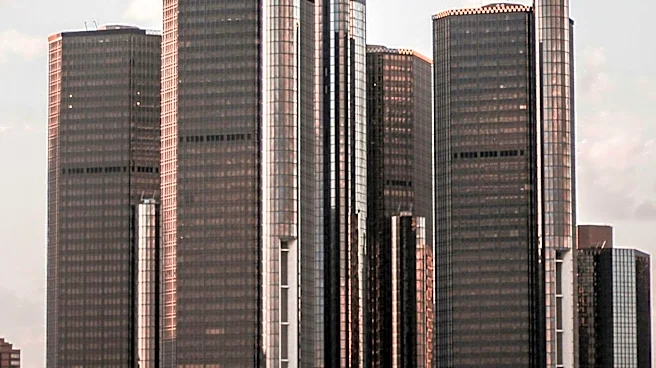
Detroit, once known as the Paris of the Midwest, is experiencing a resurgence in its hospitality sector, drawing travelers with its unique blend of history, design, and culture. The city's hotel scene is a testament to its revitalization, with establishments
like Roost in the Book Tower and the Detroit Foundation Hotel offering a mix of Parisian-inspired elegance and industrial charm. Roost features a French bistro and a lounge named after David Bowie's Aladdin Sane, while the Detroit Foundation Hotel, housed in a former firehouse, boasts the Apparatus Room bar. These hotels not only provide luxurious accommodations but also serve as cultural hubs, hosting events like vinyl sessions and jazz nights. This transformation is part of a broader effort to restore Detroit's historic buildings and attract visitors to experience its rich architectural and cultural heritage.
Why It's Important?
The revitalization of Detroit's hotel industry is significant for several reasons. It marks a shift in the city's image from a symbol of urban decline to a vibrant cultural destination. This transformation is likely to boost local tourism, bringing economic benefits to the city through increased visitor spending on accommodations, dining, and entertainment. The restoration of historic buildings into hotels also preserves Detroit's architectural heritage, contributing to the city's cultural renaissance. Moreover, the influx of travelers can stimulate further investment in the local economy, creating jobs and supporting small businesses. As Detroit continues to redefine itself, its success could serve as a model for other cities seeking to revitalize their urban cores.
What's Next?
As Detroit's reputation as a travel destination grows, the city may see increased interest from both domestic and international tourists. This could lead to further development in the hospitality sector, with more hotels and cultural attractions opening to meet demand. Local government and business leaders might focus on enhancing infrastructure and public services to support the growing tourism industry. Additionally, the success of Detroit's hotel scene could encourage other cities with similar challenges to invest in their cultural and historical assets as a means of economic revitalization.