



What's Happening?
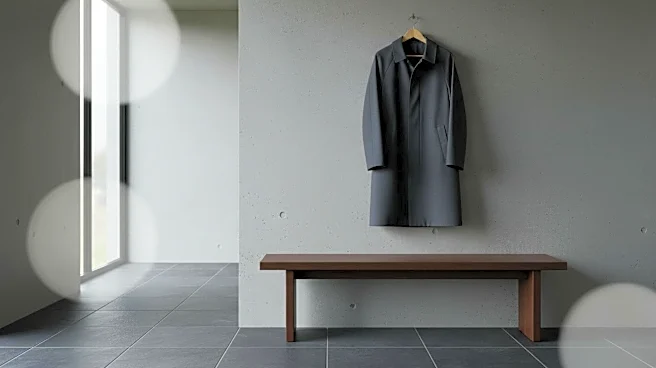
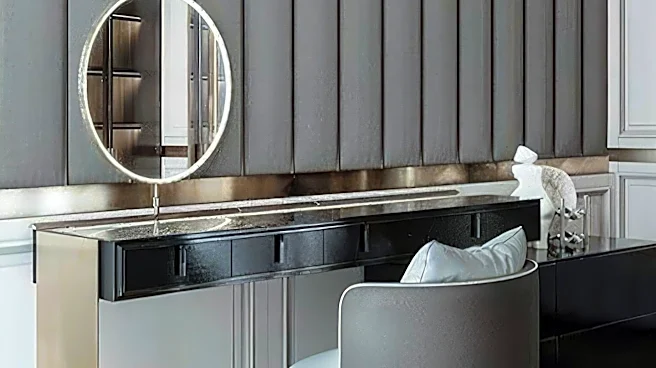
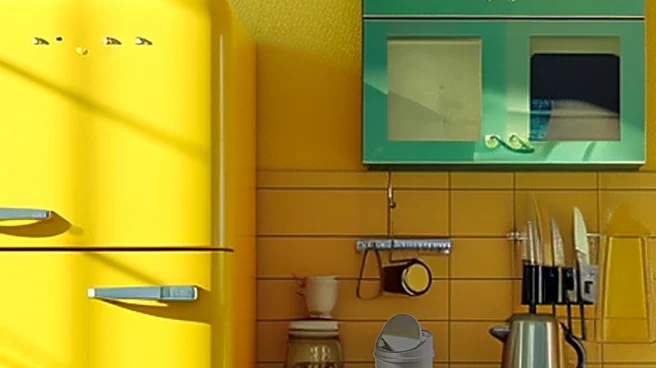
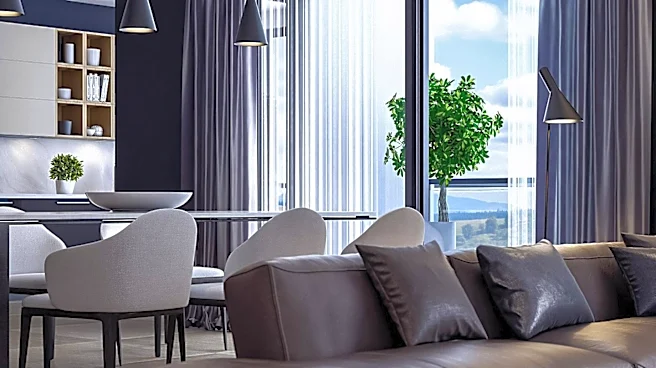
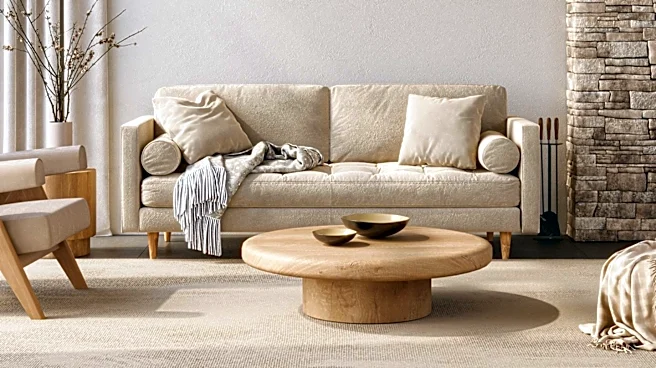
The article discusses the decline of ornamental design in modern architecture and everyday objects, tracing its roots back to the early 20th century. It highlights how the Austrian architect Adolf Loos's essay 'Ornament and Crime' influenced the modernist
movement, promoting the idea that decoration was unnecessary and a sign of primitive impulse. This philosophy led to the minimalist design trend, where functionality and simplicity were prioritized over decorative elements. The article argues for a reintroduction of ornamentation, suggesting that modern technology can produce detailed designs affordably. It calls for a shift in design values to include beauty and ornamentation alongside function and sustainability.
Why It's Important?
The discussion is crucial as it challenges the prevailing minimalist design ethos, advocating for a balance between functionality and aesthetic pleasure. Reintroducing ornamentation could enrich the visual and emotional experience of everyday environments, making them more engaging and enjoyable. This shift could also support artisans and craftspeople, preserving traditional skills and promoting diversity in design. By valuing beauty and complexity, society can create spaces that are not only functional but also culturally and emotionally resonant, enhancing the quality of life.