







What's Happening?
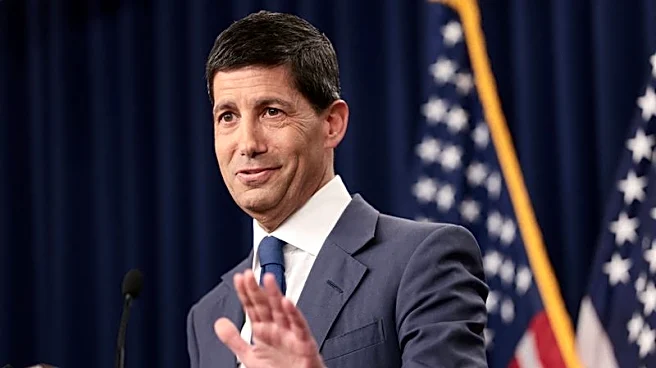
The rapid expansion of data centers to support artificial intelligence (AI) infrastructure is contributing to rising electricity costs in the United States. According to Minneapolis Fed President Neel Kashkari, the investment in power-hungry data centers is a significant
factor in the current high inflation rates. Household electricity prices have increased by 10.1% over the past two years, outpacing the overall price increase of 6.3% during the same period. The tech industry's substantial spending on AI infrastructure has disrupted supply chains and increased costs in sectors like electricity, chips, and software. This situation presents a challenge for the Federal Reserve, which must decide how to manage inflation while considering the potential long-term benefits of AI.
Why It's Important?
The rising costs associated with AI infrastructure development have significant implications for the U.S. economy. As electricity prices climb, consumers and businesses face higher operational costs, which can impact economic growth and consumer spending. The Federal Reserve is tasked with balancing the immediate inflationary pressures against the potential future productivity gains promised by AI. The situation highlights the complexities of integrating new technologies into the economy, where the benefits may not be immediately realized, but the costs are felt upfront. This dynamic could influence monetary policy decisions, including interest rate adjustments, as the Fed seeks to stabilize the economy.
What's Next?
The Federal Reserve will continue to monitor the impact of AI infrastructure spending on inflation and economic growth. As the tech industry progresses with its AI initiatives, the Fed may need to adjust its policies to address the inflationary pressures while fostering an environment conducive to technological advancement. Stakeholders, including tech companies and policymakers, will likely engage in discussions to find a balance between supporting innovation and managing economic stability. The outcome of these deliberations could shape the future trajectory of AI integration into the U.S. economy.