
What's Happening?
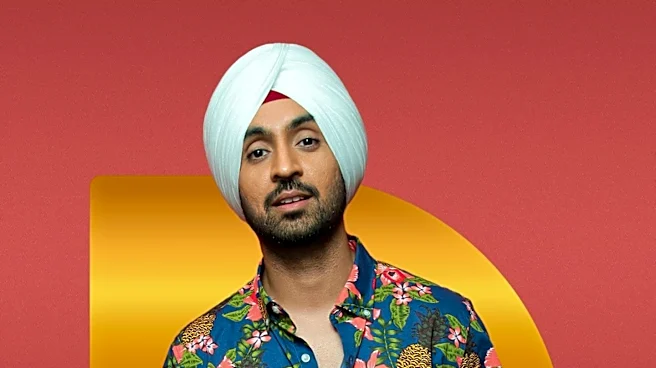
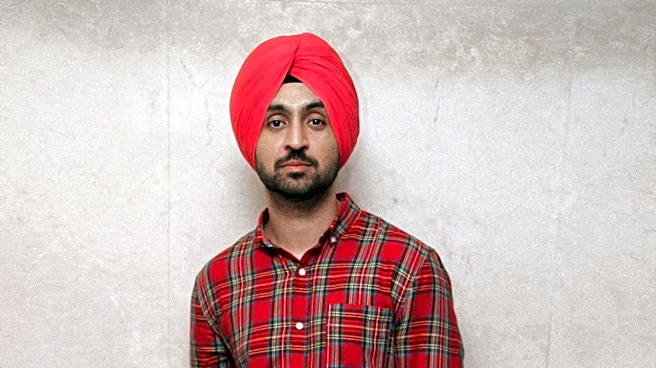
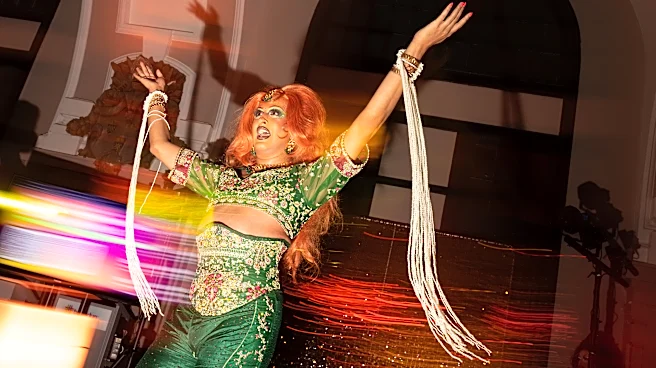
During his November 21 concert at Ahmedabad's Narendra Modi Stadium, Punjabi singer and actor Diljit Dosanjh publicly questioned what he described as "double standards" in the scrutiny of song lyrics between Indian and international artists. Dosanjh specifically
referenced Coldplay's January 2025 performance at the same venue, noting that the British band faced no objections for performing their song 'Hymn for the Weekend,' which includes the line "I'm feeling drunk and high." He contrasted this with the criticism and restrictions his own songs receive, particularly those alleged to promote alcohol consumption, drugs, and gun culture. The singer also addressed criticisms regarding his Indian identity, asserting that he and his entire crew were born and raised in India and that his international performances promote Indian and Punjabi music globally. His remarks came amid demands from the District Child Protection Unit (DCPU) and Dr. Pandit Rao Dharennavar, an Associate Professor of Sociology, for the city police to prevent him from performing certain tracks due to their lyrical content.
Why It's Important?
This incident highlights a significant debate surrounding artistic freedom, cultural context, and censorship in the entertainment industry, particularly concerning the perceived differential treatment of local versus international artists. For U.S. audiences, this raises questions about the global landscape of artistic expression and the varying standards applied to content. The discussion around lyrics promoting alcohol, drugs, and gun culture, and their potential impact on children, is a universal concern that resonates with ongoing debates in the U.S. regarding media influence and youth. The comparison drawn by Dosanjh could spark broader conversations about cultural biases in how artistic works are evaluated and regulated across different countries, potentially influencing how U.S. artists and their works are perceived or received in international markets. It also underscores the challenges artists face in navigating cultural sensitivities and regulatory pressures while maintaining creative integrity.
What's Next?
The remarks by Diljit Dosanjh are likely to fuel further discussion within India regarding artistic freedom and the regulation of lyrical content, especially concerning its impact on children. Dr. Pandit Rao Dharennavar has threatened to approach the Gujarat High Court with a contempt petition if Dosanjh performs the contested songs, indicating potential legal challenges. This situation could lead to increased scrutiny of concert permits and content guidelines for both domestic and international performers in India. For the global music industry, this event may prompt artists and promoters to consider the varying cultural and regulatory environments more carefully when planning international tours. It could also encourage advocacy groups to push for more consistent and transparent standards in content evaluation, potentially influencing future policy discussions on censorship and artistic expression in other nations, including the U.S.
Beyond the Headlines
The controversy surrounding Diljit Dosanjh's concert extends beyond mere lyrical content, touching upon deeper issues of cultural identity, national pride, and the evolving role of artists as cultural ambassadors. Dosanjh's assertion of his Indian identity and his role in promoting Indian and Punjabi music internationally adds a layer of complexity to the debate, suggesting that criticisms may sometimes be rooted in xenophobia or a misunderstanding of artistic intent. This incident could also reflect a broader societal tension between traditional values and modern artistic expression, particularly in rapidly globalizing societies. The perceived 'double standard' could lead to a re-evaluation of how cultural products are consumed and judged, potentially fostering a more nuanced understanding of artistic freedom in a globalized world. It highlights the ethical dilemma of balancing creative expression with societal concerns about public health and youth protection, a challenge faced by policymakers and artists worldwide.