





What's Happening?
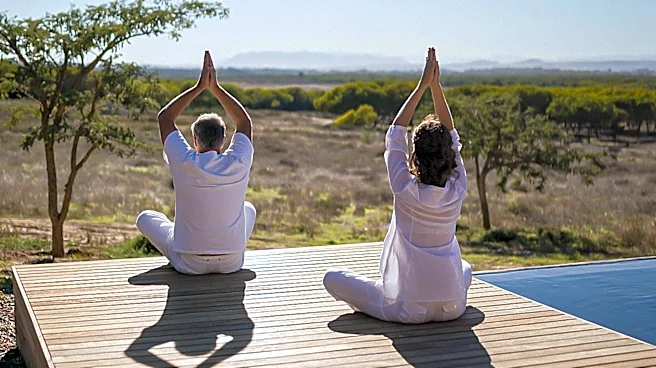
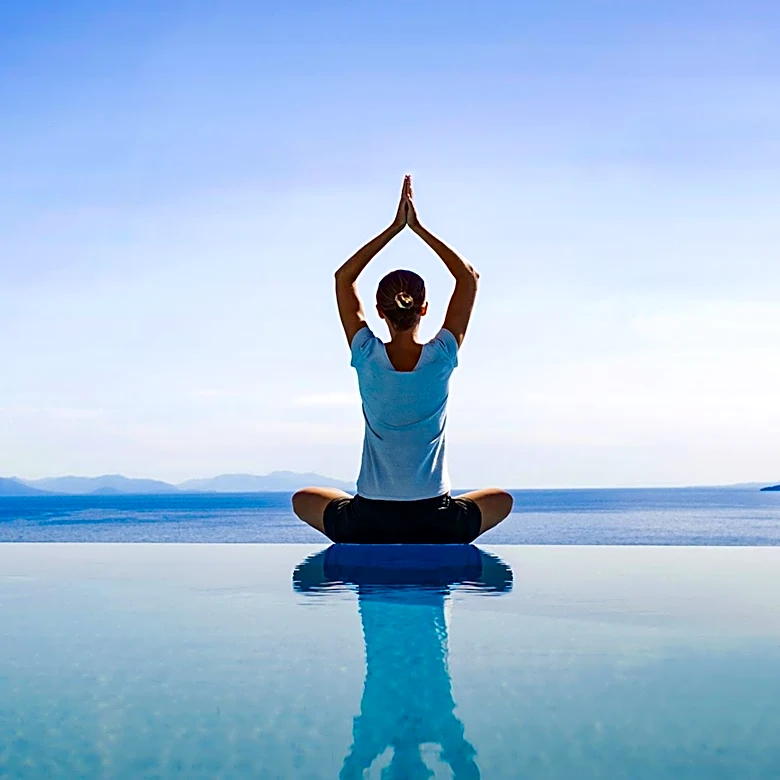
Wellness retreats are becoming a mainstream lifestyle choice for individuals seeking relaxation, healing, and personal transformation. These retreats offer diverse experiences, from tropical getaways in Costa Rica and Thailand to spiritual journeys in Bali,
Tulum, and India. Participants can engage in activities such as yoga, meditation, spa treatments, healthy eating, and detox programs. The offerings cater to various intentions, including stress relief, mental clarity, emotional healing, physical revitalization, and personal growth. The trend reflects a growing emphasis on holistic well-being, integrating physical, mental, and emotional health into daily life. Many retreats are all-inclusive, providing a comprehensive approach to rejuvenation, often in eco-friendly environments. The duration of these retreats can vary from weekend escapes to weeks-long immersions, accommodating different schedules and budgets. The increasing availability and variety of these programs indicate a significant shift towards proactive self-care and wellness integration.
Why It's Important?
The rising popularity of wellness retreats signifies a broader societal shift in the U.S. towards prioritizing mental and physical health, moving beyond traditional healthcare models to embrace preventative and holistic approaches. This trend impacts the travel and hospitality industries, driving demand for specialized wellness tourism and creating new economic opportunities in destinations offering such services. For individuals, these retreats offer a structured environment to disconnect from daily stressors and focus on personal well-being, potentially leading to improved productivity, reduced healthcare costs, and enhanced overall quality of life. The emphasis on mindfulness, self-care, and healthy living promoted by these retreats can also influence public policy discussions around mental health support and community wellness initiatives. As more people integrate wellness practices into their lives, there could be a ripple effect on consumer markets, with increased demand for health-conscious products and services, from organic foods to fitness technologies. This movement underscores a growing awareness of the interconnectedness of mind, body, and environment.
What's Next?
The wellness retreat industry is expected to continue its expansion, with more diverse and specialized programs emerging to meet evolving consumer needs. Future developments may include a greater focus on personalized wellness plans, integrating advanced health technologies, and offering retreats tailored to specific demographics or health conditions. There is likely to be increased collaboration between wellness providers and traditional healthcare systems, potentially leading to insurance coverage for certain wellness programs as their benefits become more widely recognized. The industry may also see a rise in domestic wellness tourism, with more U.S.-based retreats offering accessible options for those unable to travel internationally. Furthermore, the integration of wellness principles into corporate culture could lead to companies sponsoring employee wellness retreats, recognizing the benefits of a healthy and balanced workforce. The emphasis on sustainable and eco-friendly practices within the wellness tourism sector is also anticipated to grow, aligning with broader environmental consciousness.
Beyond the Headlines
Beyond the immediate benefits of relaxation and rejuvenation, the proliferation of wellness retreats highlights a deeper cultural introspection regarding modern lifestyles and their impact on well-being. It reflects a collective yearning for authenticity, connection, and purpose in an increasingly digital and demanding world. The ethical implications of the wellness industry, such as accessibility and affordability, will likely become more prominent, prompting discussions on how to make these beneficial experiences available to a broader demographic. There's also a subtle challenge to the traditional work-life balance paradigm, suggesting a move towards a more integrated life where well-being is not an occasional luxury but a continuous pursuit. This shift could foster a society that values self-care and mental resilience as much as professional achievement, potentially leading to long-term changes in social norms, educational curricula, and urban planning, all aimed at fostering healthier and more balanced communities.