



What's Happening?
A growing trend in wellness is seeing individuals, particularly men, prioritize recovery methods such as sauna sessions and cold plunges. This shift moves away from a sole focus on intense training and towards a more holistic approach that includes rest
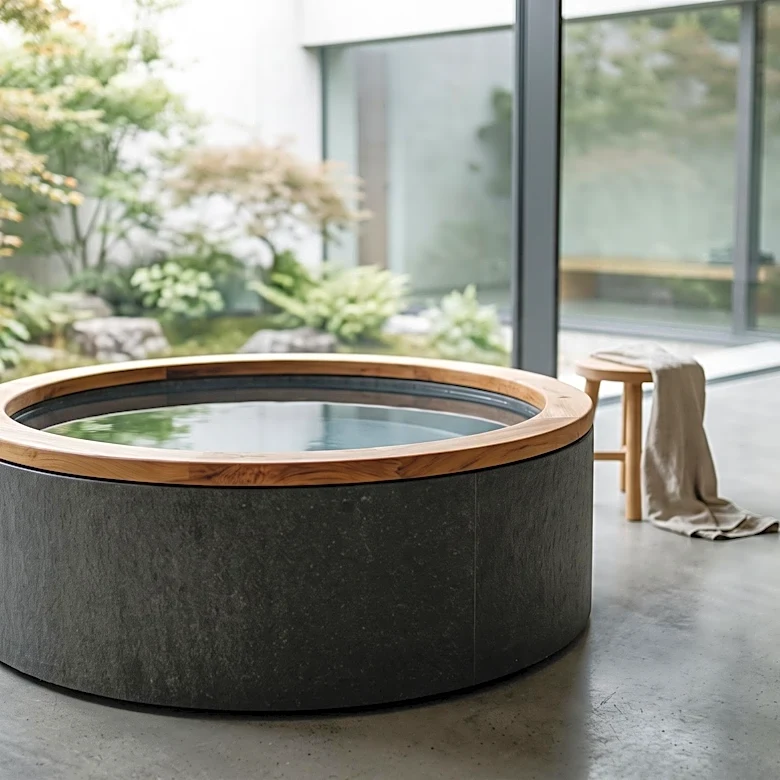
and recuperation. Neil O'Sullivan, founder of Australian wellness brand Nimbus Co, highlights the importance of consistency over intensity, a lesson he learned from his father. O'Sullivan, who previously struggled with autoimmune conditions and fatigue, established infrared sauna studios to make recovery an accessible part of daily life. The practice of contrast therapy, which involves alternating between heat (sauna) and cold (cold plunge or ice bath), is gaining popularity. This method stimulates circulation by causing blood vessels to expand and constrict, while heat promotes relaxation and cold immersion helps alleviate post-exercise muscle soreness. The trend also extends to mental well-being, with O'Sullivan advocating for open conversations about mental health.
Why It's Important?
This evolving wellness trend signifies a broader cultural shift in the U.S. towards recognizing the critical role of recovery in overall health and performance. For industries, this means a potential boom in businesses offering sauna, cold plunge, and other restorative services, creating new market opportunities and jobs. The emphasis on mental health within this trend could also lead to increased demand for related support services and a reduction in the stigma associated with discussing emotional well-being. Individuals stand to gain from improved physical recovery, reduced stress, and enhanced mental clarity, potentially leading to higher productivity and a better quality of life. Conversely, traditional fitness models that solely emphasize strenuous activity without adequate recovery might need to adapt to remain competitive, as consumers increasingly seek balanced wellness solutions.
What's Next?
The continued growth of this wellness movement is likely to see more dedicated recovery studios and services emerge across the U.S., offering various forms of contrast therapy and other restorative treatments. There may also be an increase in the availability of at-home sauna and cold plunge solutions, making these practices more accessible to a wider audience. Businesses in the fitness and wellness sectors will likely integrate recovery protocols into their offerings, potentially leading to new membership models or specialized packages. Furthermore, the focus on mental health within this trend could encourage more open dialogue and support systems for men's emotional well-being, potentially influencing public health initiatives and corporate wellness programs to include mental health components alongside physical recovery.
Beyond the Headlines
Beyond the immediate commercial implications, this trend reflects a deeper societal re-evaluation of masculinity and well-being. The traditional 'work hard, play hard' ethos, which often neglected self-care, is being challenged by a more nuanced understanding of health that values rest and emotional openness. This shift could lead to a more balanced and sustainable approach to life, reducing burnout and improving overall societal health. The creation of 'third spaces'—environments outside of home, work, or the gym—where individuals can connect and de-stress, highlights a growing need for community and mental respite in an increasingly demanding world. This cultural evolution could foster a generation that prioritizes holistic health, leading to long-term benefits for public health and individual resilience.