





What's Happening?
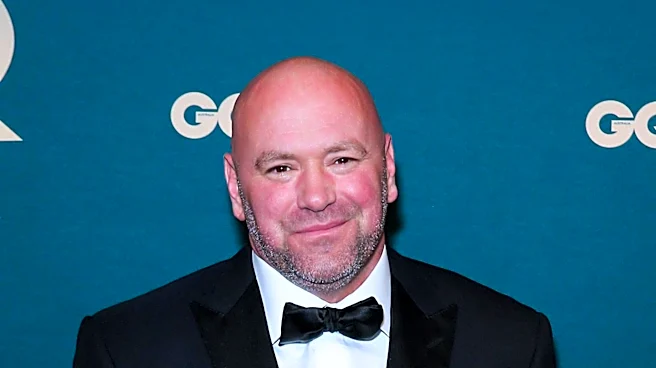
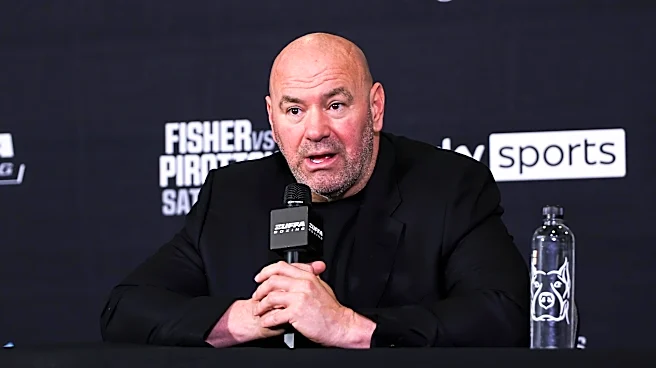
UFC President & CEO Dana White has publicly stated his ambition for the fighting league's next media rights deal to reach $10 billion, an increase from the current $7.7 billion agreement with Skydance. White shared these figures during an appearance on 'The
Diary of a CEO' podcast, where he also claimed the UFC is now valued at $50 billion. This valuation marks a significant increase from its $2 million sale price in 2001. White emphasized that achieving the $10 billion media deal would be through 'added value to their company,' asserting that he has already built 'the biggest fight brand to ever exist.' He drew a comparison to the Lakers' 2026 sale for $12.5 billion to support his $50 billion valuation for the UFC. White also noted that in 2001, he was told the UFC would never compete with boxing, a claim he now refutes, highlighting his involvement in boxing and the UFC's global television deals. He views the NFL, Major League Baseball, the NHL, and the NBA as the UFC's primary competitors.
Why It's Important?
This ambitious target for the UFC's media rights deal and its claimed $50 billion valuation underscore the growing financial power and mainstream acceptance of mixed martial arts in the U.S. sports landscape. A $10 billion media deal would solidify the UFC's position as a top-tier sports property, potentially rivaling established leagues like the NFL and NBA in terms of broadcast revenue. This financial growth indicates a significant shift in how combat sports are perceived and consumed, moving beyond niche audiences to attract broader viewership and corporate interest. The increased valuation also reflects the success of the UFC's business model, which includes global television deals, a strong brand, and a dedicated fan base. For the sports media industry, this could signal a continued escalation in the cost of live sports rights, impacting broadcasters and streaming services. The UFC's expansion into boxing, as mentioned by White, further demonstrates its intent to dominate the combat sports market, potentially challenging traditional boxing promoters and altering the competitive landscape.
What's Next?
As the current media deal with Skydance approaches its end, the UFC will likely engage in negotiations with various broadcasters and streaming platforms to secure its next rights agreement. White's public declaration of a $10 billion target sets a high benchmark for these discussions, indicating a strong negotiating stance. The UFC's continued focus on 'added value' suggests potential innovations in content delivery, fan engagement, or international expansion to justify the increased price tag. The organization may also continue to leverage its global reach and diverse athlete roster to attract more lucrative deals. Furthermore, White's involvement in boxing through Zuffa Boxing could lead to more significant cross-promotional events or further integration of boxing into the UFC's broader combat sports portfolio, potentially reshaping the future of both sports. The ongoing competition with other major U.S. sports leagues for media attention and advertising dollars will also be a key factor in the UFC's strategic decisions.
Beyond the Headlines
The UFC's remarkable financial trajectory, from a $2 million sale to a claimed $50 billion valuation, highlights a broader trend in the sports industry: the increasing value of live content and the power of strong brand building. This growth also raises questions about the long-term sustainability of such high valuations and media rights fees, especially as the media landscape continues to evolve with the rise of streaming and direct-to-consumer models. The UFC's success in cultivating a loyal global fanbase and attracting significant sponsorship and broadcast deals could serve as a blueprint for other emerging sports or entertainment properties. Moreover, White's aggressive business strategies and willingness to challenge established norms in combat sports have played a crucial role in the UFC's ascent. This approach, while successful, also sparks discussions about the balance between commercial growth and athlete welfare, particularly concerning the long-term health implications for fighters in a high-impact sport.