





What's Happening?
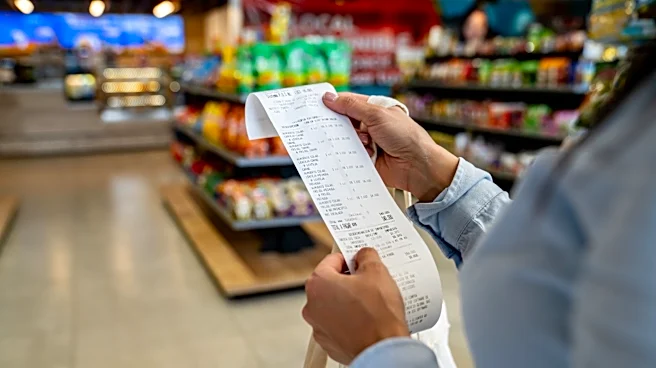
A new report titled 'Kroger's Pricing Problem,' released by the Center for Responsible Food Business (CRFB), alleges widespread overcharging at Kroger stores in Ohio. The report, based on government inspection data and nearly 2,000 customer submissions,
claims that more than one in three Kroger stores examined across nine Ohio jurisdictions (36 out of 101 stores) were found to be overcharging customers. Inspection records from 2022 to mid-2026, obtained through public-records requests, documented 644 incorrect prices, with overcharges averaging more than 20 percent above the shelf price. The CRFB states that pricing errors favored Kroger nearly three times as often as they favored shoppers. The report also highlights repeated inspection failures, recurring overcharges, misleading sales signage, and difficulties for certain customers (seniors, disabled shoppers, non-smartphone users) in accessing digital-only discounts. This follows a Consumer Reports finding a year prior that Kroger was overcharging customers by an average of 18 percent across 26 stores.
Why It's Important?
This report is significant as it raises concerns about pricing integrity, a critical factor for consumer trust and fair business practices in the U.S. grocery industry. For Kroger, one of the nation's largest grocers, these allegations could lead to reputational damage, potential regulatory scrutiny, and a decline in customer loyalty. In a market where value and trust are increasingly decisive factors for consumers, consistent overcharging, even if unintentional, can erode a brand's standing. The report also highlights broader issues within the retail sector, such as the accessibility of digital-only promotions, which can disadvantage vulnerable populations. Competitors may leverage these findings to emphasize their own pricing accuracy and transparency, potentially shifting market share. The focus on 'pricing integrity' as a 'reputational and compliance risk' underscores a growing trend where consumer advocacy groups and regulators are closely monitoring the gap between advertised and charged prices, impacting the entire food retail and foodservice sector.
What's Next?
The Center for Responsible Food Business (CRFB) is calling on Kroger to address the issues raised in the report. They urge the company to honor its price tags, make discounts accessible to all customers, provide clear remedies for overcharges, and cease charging higher prices in communities with limited alternatives. Kroger will likely face increased pressure from consumer advocacy groups and potentially regulatory bodies to implement corrective measures and improve pricing accuracy. The company may need to conduct internal audits of its pricing systems, enhance employee training on pricing policies, and review its digital discount accessibility. The outcome of these demands and Kroger's response will be closely watched by consumers, competitors, and industry stakeholders, potentially influencing future regulations or industry best practices regarding pricing transparency and consumer protection in the grocery sector.
Beyond the Headlines
The allegations against Kroger extend beyond simple pricing errors, touching upon deeper ethical and societal implications. The report suggests a pattern of behavior that disproportionately affects working families and vulnerable populations, who rely on accurate pricing to manage tight budgets. The difficulty for seniors, disabled shoppers, and those without smartphones to access digital-only discounts highlights a growing digital divide in retail, where essential savings are increasingly gated behind technological access. This raises questions about corporate responsibility in ensuring equitable access to value for all customers, regardless of their digital literacy or access to technology. Furthermore, the report's framing of pricing integrity as a 'reputational and compliance risk' signals a shift in how the public and regulators view corporate accountability, moving beyond mere financial metrics to encompass broader ethical considerations and social impact. This could lead to a re-evaluation of loyalty program structures and discount accessibility across the retail industry.