






What's Happening?
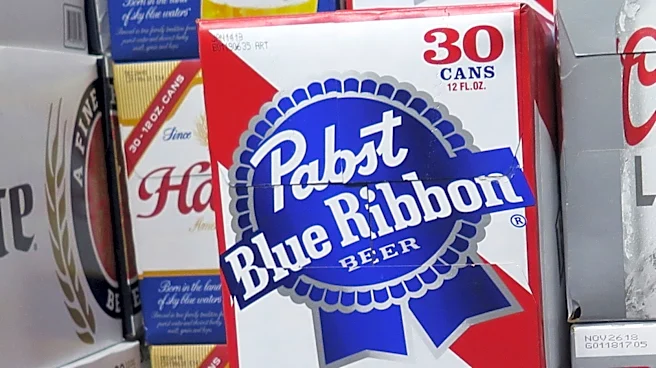
Pabst Brewing Co. has announced a reward of up to $20,000 for information leading to the recovery of a large shipment of beer stolen from a Southern California distribution center. The theft, which occurred on August 17, involved 1,602 cases of Pabst Blue
Ribbon and nonalcoholic Old Milwaukee beer. The beer was taken from an Anheuser-Busch distribution center located in Montclair, California, approximately 40 miles east of Los Angeles. Police reported that the theft happened in two separate incidents on the same day. In the first incident, about $45,000 worth of beer, originally destined for Tucson, Arizona, was picked up but never delivered. Approximately an hour later, another theft occurred when an individual used fake documents from a purported subcontracting company to pick up an additional $25,000 worth of beer. The total stolen load weighed around 40,000 pounds and had an estimated value of $70,000. Pabst CEO Greig DeBow stated in a TikTok post that the company desires the beer's return by September 9.
Why It's Important?
This incident highlights vulnerabilities within the supply chain and distribution networks, particularly concerning high-value consumer goods. The use of fake documents in one of the thefts suggests a sophisticated operation, raising concerns about security protocols at distribution centers and the potential for organized crime to exploit such weaknesses. For Pabst Brewing Co., the theft represents a significant financial loss of approximately $70,000 in product value, in addition to potential reputational damage and logistical disruptions. The offer of a substantial reward underscores the company's urgency in recovering the stolen goods and deterring future similar incidents. This event also draws attention to a broader trend of high-profile food and beverage heists, as noted by the source, indicating a potential increase in such criminal activities that can impact businesses across various sectors. The incident could prompt other companies to review and strengthen their security measures to prevent similar occurrences.
What's Next?
Pabst Brewing Co. will continue its efforts to recover the stolen beer, with the $20,000 reward serving as a primary incentive for public assistance. The deadline for the beer's return, September 9, suggests an immediate focus on resolution. Law enforcement agencies, including the Montclair police, will likely continue their investigation into the theft, seeking to identify and apprehend those responsible. This may involve examining surveillance footage, tracing the fake documents used, and investigating potential links to other similar heists. Distribution centers, particularly those handling valuable goods, may review and enhance their security protocols, including verification processes for pickups and deliveries, to prevent future incidents. The broader food and beverage industry might also take note, potentially leading to increased vigilance and collaborative efforts to combat cargo theft and supply chain vulnerabilities.
Beyond the Headlines
The theft of such a large quantity of beer, facilitated by fake documents, points to a deeper issue of supply chain integrity and the evolving tactics of organized crime. This isn't merely a loss of product for Pabst; it signifies a breach in the trust and security expected within the logistics network. The incident could trigger a re-evaluation of industry-wide standards for cargo security, potentially leading to more stringent verification processes for third-party logistics providers and increased investment in tracking technologies. Furthermore, the use of social media platforms like TikTok by a CEO to announce a reward reflects modern corporate communication strategies in crisis management, leveraging direct public engagement for investigative assistance. This event also subtly highlights the economic value placed on everyday commodities, making them targets for sophisticated criminal enterprises, and underscores the constant battle businesses face in protecting their assets from increasingly clever illicit operations.