




What's Happening?
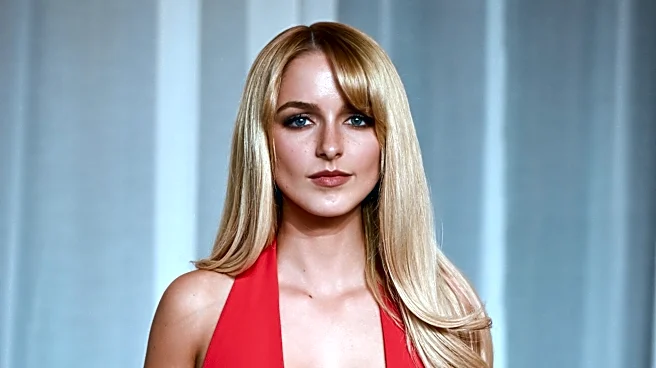
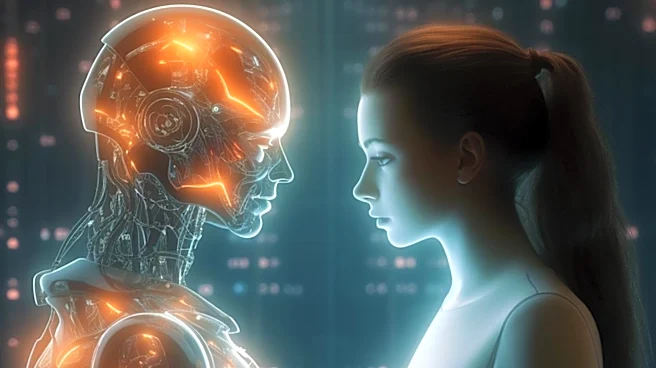
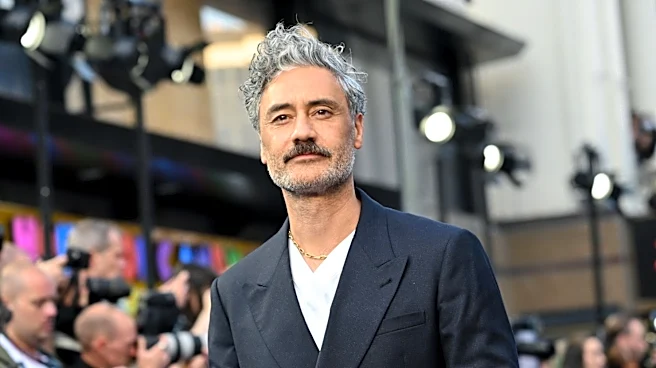
Taika Waititi's film adaptation of Kazuo Ishiguro's novel, 'Klara and the Sun,' has been released, starring Jenna Ortega as Klara, an 'Artificial Friend.' The movie depicts a high-tech, cyberpunk-adjacent city with vibrant visuals and music by Michael
Giacchino. The narrative follows Klara as she cares for a sick teenager, Josie (Mia Tharia), exploring themes of grief, scientific advancement ethics, and the definition of humanity. While the film is visually engaging with strong performances from Ortega and Amy Adams (as Josie's mother, Chrissie), critics note that the deeper nuances of the novel's complex themes are often lost in translation. The film's aesthetic choices, such as color palette changes and a free-spirited soundtrack, are used to convey mood, but some argue they fall short in fully exploring the profound philosophical questions posed by the source material. Key character developments, such as Rick's role and Chrissie's motivations, are also reportedly underdeveloped compared to the novel.
Why It's Important?
The adaptation of 'Klara and the Sun' is significant as it brings a critically acclaimed novel exploring artificial intelligence and human connection to a wider audience through the medium of film. The film's reception highlights the challenges inherent in adapting complex literary works, particularly those dealing with philosophical and ethical dilemmas. For the entertainment industry, it underscores the ongoing debate about how to effectively translate nuanced narratives into a visual format without sacrificing depth. The film's exploration of AI, genetic engineering, and what constitutes humanity resonates with contemporary societal discussions about technological progress and its implications. The mixed critical response also influences audience perception of AI-centric stories, potentially shaping future cinematic approaches to such themes and impacting the commercial viability of similar adaptations.
What's Next?
The film's performance and critical reception will likely influence future decisions regarding adaptations of other complex literary works, especially those in the science fiction and philosophical genres. Filmmakers and studios may re-evaluate strategies for translating intricate themes and character arcs to the screen, potentially leading to more collaborative efforts between authors and screenwriters or a greater emphasis on multi-part adaptations to allow for more detailed storytelling. The ongoing discourse around 'Klara and the Sun' could also spark further discussions among audiences and critics about the balance between visual spectacle and thematic depth in cinema. The film's impact on Jenna Ortega's career, particularly in more dramatic roles, will also be observed, as will Taika Waititi's future directorial choices following this project.
Beyond the Headlines
Beyond its immediate cinematic impact, 'Klara and the Sun' touches upon profound ethical and societal questions that extend into broader cultural conversations. The film's portrayal of Artificial Friends and genetic engineering implicitly questions the boundaries of scientific innovation and the moral responsibilities that come with creating sentient or near-sentient beings. It prompts viewers to consider what truly defines human consciousness, empathy, and love in an increasingly technologically advanced world. The perceived loss of nuance in the adaptation also highlights a broader cultural challenge: the difficulty of engaging with complex philosophical ideas in mainstream media, often favoring accessibility and visual appeal over deep intellectual exploration. This can influence public understanding and discourse around critical emerging technologies like AI, potentially simplifying complex ethical considerations.