



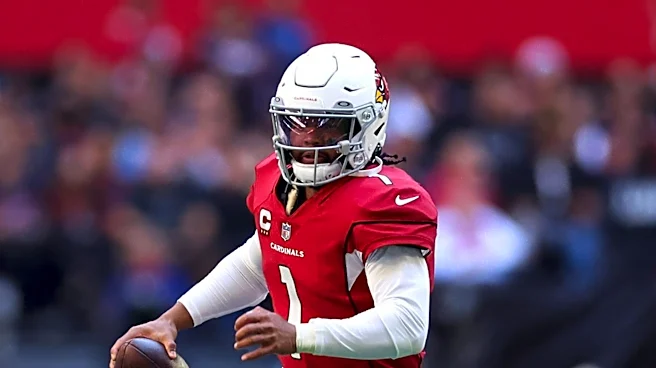
What's Happening?
Billy Ray Smith Jr., a former San Diego Chargers linebacker, has died at the age of 64. His family attributes his death to dementia caused by chronic traumatic encephalopathy (CTE), a progressive brain disease linked to repeated head impacts. Smith Jr. played
all 126 of his NFL games with the Chargers from 1983 to 1992 and became a beloved figure in San Diego, transitioning to a career in broadcasting after retiring from football. His death highlights the ongoing concerns about CTE in contact sports, particularly football.
Why It's Important?
Smith Jr.'s death underscores the serious health risks associated with contact sports like football, where repeated head impacts can lead to CTE. This condition has been found in numerous former athletes and is associated with mood disturbances and cognitive decline. The issue of CTE has significant implications for the future of contact sports, player safety protocols, and the long-term health of athletes. It also raises questions about the responsibility of sports organizations to protect players and address the risks associated with head injuries.
What's Next?
The ongoing concerns about CTE may lead to increased pressure on sports organizations to implement stricter safety measures and improve protocols for diagnosing and managing head injuries. There may also be calls for more research into CTE and its effects, as well as efforts to develop better protective equipment and training methods to reduce the risk of head injuries. Additionally, the issue could influence public perception of contact sports and impact participation rates, particularly among young athletes.
Beyond the Headlines
The prevalence of CTE in former athletes raises ethical questions about the balance between entertainment and player safety in professional sports. It also highlights the need for greater awareness and education about the risks of head injuries, both for athletes and the general public. The issue of CTE may prompt broader discussions about the cultural and societal values that prioritize sports success over health and well-being, leading to potential shifts in how sports are played and perceived.