





What's Happening?
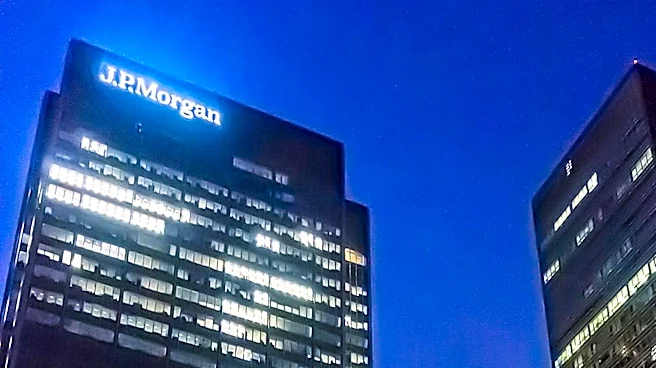
A technical issue at JPMorgan Chase on Monday, November 16, 2026, led to significant online banking delays for thousands of customers across several major U.S. banks, including Bank of America, Wells Fargo, and U.S. Bank. JPMorgan Chase, the largest bank in the United
States, attributed the disruption to a software bug within its on-premise hardware systems, clarifying that it was not a cyberattack. Customers reported login failures and transaction delays, with complaints peaking on outage trackers like Downdetector. While JPMorgan stated that customer accounts and funds remained accessible, the issue caused ripple effects throughout the financial system because Chase is involved in a large volume of interbank transactions. Other banks processing payments with Chase experienced delays, even if their own systems were operating normally. The peer-to-peer payment service Zelle also saw disruptions, with users receiving error messages, though Zelle itself stated its network was fully operational and pointed to problems at individual financial institutions as the cause.
Why It's Important?
This incident highlights the interconnectedness and potential fragility of the U.S. financial infrastructure. A technical glitch within one major institution, JPMorgan Chase, demonstrated its capacity to impact numerous other banks and millions of customers nationwide. The disruption underscores the critical reliance on robust and resilient banking systems for daily financial operations, affecting both individual consumers and businesses. The event also brings into focus the challenges of maintaining complex, often decades-old, technological infrastructure within the banking sector, as noted by infrastructure specialists. Such outages can erode public trust in digital banking services and prompt calls for increased investment in modernizing financial technology to prevent future widespread disruptions. The modest but visible market reaction, with shares of major banks falling, indicates investor sensitivity to operational stability.
What's Next?
JPMorgan Chase announced that the problem was resolved by Monday night, and services were expected to return to normal. However, the incident will likely prompt internal reviews within JPMorgan Chase and potentially other affected banks to identify vulnerabilities and implement preventative measures. Regulators may also scrutinize the event to assess systemic risks and ensure compliance with operational resilience standards. The disruption could accelerate discussions within the banking industry about upgrading legacy systems and enhancing interbank communication protocols to mitigate the impact of localized technical failures. Customers who experienced delays may seek assurances regarding the security and reliability of their banking services, potentially leading to increased customer service inquiries and demands for transparency from financial institutions.
Beyond the Headlines
The JPMorgan Chase outage, following closely on the heels of a Microsoft 365 outage and an FAA ground stop, points to a broader trend of increasing vulnerability in critical digital infrastructure across various sectors. This series of events suggests that modern society's reliance on tightly coupled digital systems means a single bug or hardware failure can have cascading national impacts. For the financial sector, this raises ethical questions about the responsibility of large institutions to maintain infrastructure that supports the entire ecosystem. It also highlights the ongoing tension between innovation and stability, as banks strive to offer advanced digital services while ensuring the foundational reliability of their core operations. The incident could fuel debates about the need for greater redundancy, more rigorous testing, and potentially new regulatory frameworks to address the systemic risks posed by interconnected digital infrastructures.