





What's Happening?
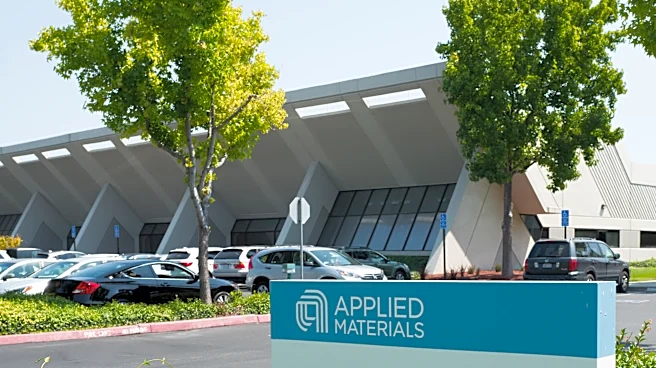
Applied Materials, a leading provider of materials engineering solutions for semiconductors and display screens, has reported robust financial results for the 12 months ending October 25, 2026. The company achieved approximately $34.4 billion in revenue,
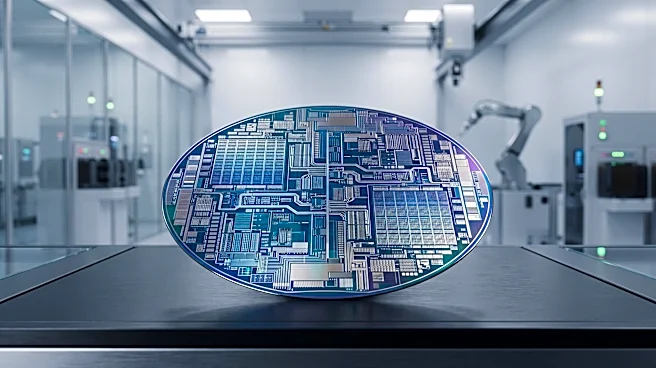
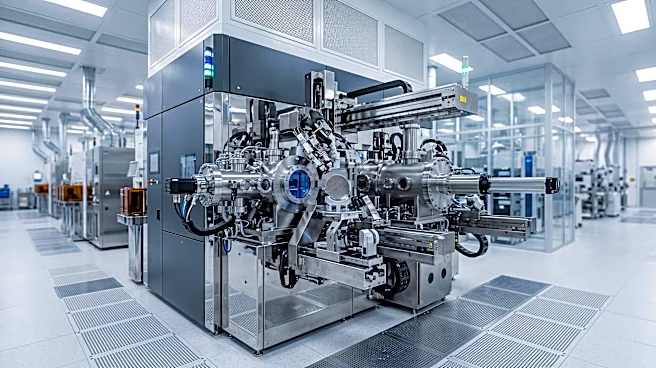
marking a 21.4% increase over the previous year. Net income reached roughly $10.1 billion, resulting in a healthy net margin of nearly 29.3%. This growth is attributed to sustained demand for manufacturing equipment as chipmakers expand global production capacity, driven by the rapid expansion of artificial intelligence. Applied Materials plays a foundational role in the hardware supply chain by building specialized equipment and software essential for semiconductor manufacturing. The company's latest annual report also highlighted customer concentration, with two major customers accounting for nearly 19% and 15% of net revenue, respectively, which introduces a layer of business risk. As of its October 2026 balance sheet, Applied Materials maintained a debt-to-equity ratio of nearly 0.3 and a current ratio of approximately 2.3, indicating a strong financial position.
Why It's Important?
Applied Materials' strong financial performance underscores the critical role it plays in the global semiconductor industry, particularly as artificial intelligence continues to drive demand for advanced chips. As a foundational player, the company's success reflects the broader health and expansion of the technology sector. Its materials engineering solutions are essential for the production of virtually every new semiconductor chip, making it a key enabler for technological advancements across various industries. The reported revenue and net income growth demonstrate the significant investment being made in semiconductor manufacturing infrastructure globally. The company's financial stability, indicated by its low debt-to-equity ratio and healthy current ratio, suggests resilience and capacity for future growth. However, the noted customer concentration presents a potential vulnerability, as a significant shift in business from these major clients could impact future revenues. This performance is crucial for investors and industry observers seeking indicators of the semiconductor market's trajectory and the underlying demand for AI-related hardware.
What's Next?
The continued expansion of artificial intelligence is expected to sustain high demand for Applied Materials' specialized equipment and services. As chipmakers worldwide continue to invest in increasing their production capacity and developing next-generation semiconductors, Applied Materials is well-positioned to benefit from these trends. The company will likely focus on innovation in materials science and engineering to meet the evolving needs of the semiconductor industry, particularly in areas critical for AI advancements. Managing customer concentration will remain a strategic priority, potentially through diversification efforts or strengthening relationships with key clients. Future financial reports will be closely watched for continued growth, any shifts in customer reliance, and the company's ability to adapt to technological changes and market demands in the rapidly evolving semiconductor landscape. Applied Materials' ongoing contributions to advancing AI and semiconductor commercialization will shape the future of the electronics industry.
Beyond the Headlines
Applied Materials' position as a global leader in materials science and engineering highlights the often-overlooked foundational aspects of technological progress. While companies like Nvidia design the chips, it is companies like Applied Materials that provide the essential tools and processes to manufacture them. This interdependence underscores the complexity of the modern technology ecosystem, where innovation at one level relies heavily on advancements at another. The company's commitment to sustainability, with 100% of its U.S. electricity coming from renewable sources, also points to a broader industry trend towards environmentally conscious manufacturing. This commitment not only addresses ethical considerations but also positions the company favorably with stakeholders increasingly prioritizing corporate responsibility. The ongoing 'tools versus chips' debate for investors further emphasizes the strategic importance of both segments within the semiconductor value chain, with Applied Materials representing the critical infrastructure that enables the entire industry.