



What's Happening?
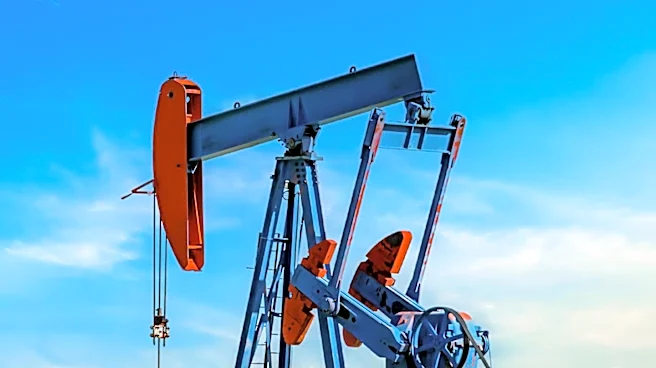
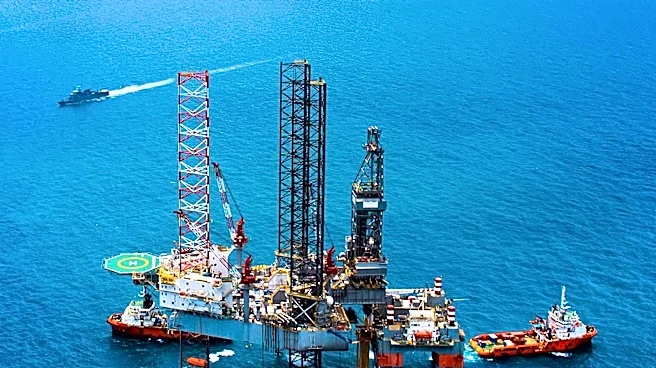
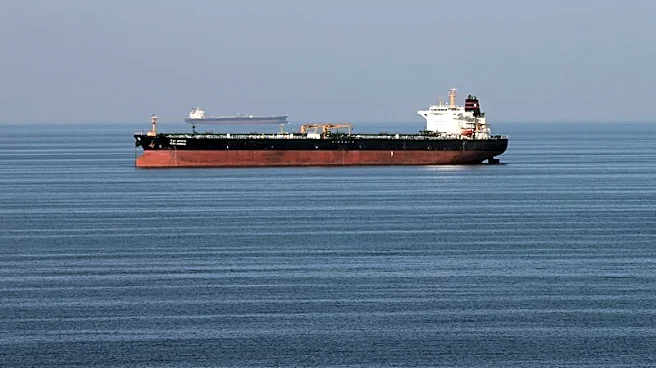
The United States energy sector has played a crucial role in offsetting global oil and LNG supply deficits caused by disruptions in the Strait of Hormuz. According to OilPrice.com, the American market's high output capacity has stabilized the global energy supply chain
during these disruptions. The American Petroleum Institute (API) attributes this resilience to long-term strategic investments in extraction and processing infrastructure. The U.S. has maintained high production levels, providing liquidity to global markets and mitigating price volatility during geopolitical instability.
Why It's Important?
The U.S. energy sector's ability to act as a stabilizing force during global supply shocks highlights its growing influence in international markets. This shift positions U.S. energy production as a critical component of global energy security, affecting oil prices and market stability. The reliance on American output underscores the importance of U.S. regulatory and investment decisions in shaping global energy dynamics. As the world transitions to renewable energy, the U.S. will need to balance maintaining high production levels with environmental considerations.
What's Next?
Future market stability will depend on the U.S.'s ability to sustain high production levels amidst potential environmental regulations and the global shift towards renewable energy. Monitoring U.S. capital expenditure reports and international LNG trade flows will be crucial in understanding the long-term sustainability of American energy production. Legislative changes could also impact the sector's ability to maintain its current output levels.