




What's Happening?
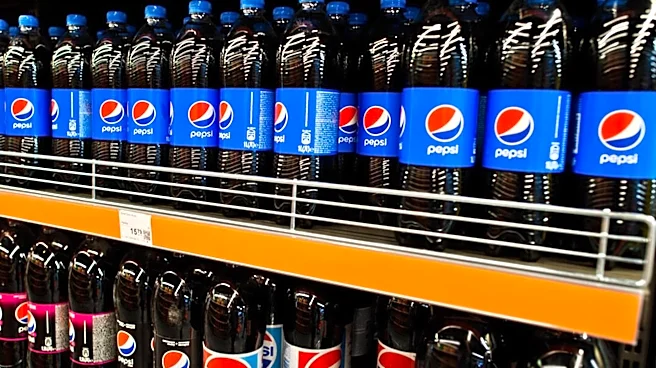
PepsiCo, a global food and beverage giant, is currently navigating a period of lower stock performance throughout much of 2026. This downturn is primarily attributed to weak U.S. growth and significant customer losses. A notable development is Yum! Brands'
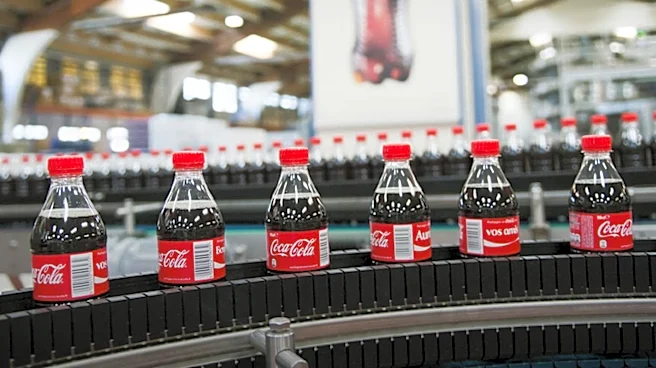
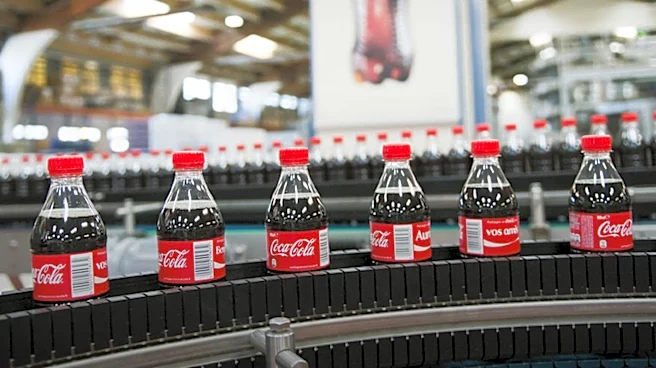
KFC chain's decision to switch from serving Pepsi products to Coca-Cola products in its domestic restaurants. This move represents a substantial blow to PepsiCo's market share within the fast-food sector in the United States. Despite this setback, Yum! Brands intends to continue offering Pepsi products at its Taco Bell locations. PepsiCo's management has acknowledged ongoing domestic turnaround efforts. However, investors have shown positive reactions to the company's strong international sales performance and its plans to expand cost-cutting initiatives, suggesting a mixed outlook for the company's immediate future.
Why It's Important?
The shift by KFC from PepsiCo to Coca-Cola in its U.S. restaurants highlights intense competition within the beverage industry and the potential for significant market share fluctuations. For PepsiCo, losing a major domestic client like KFC could impact its revenue and profitability in the U.S. market, potentially affecting its stock valuation and investor confidence. Conversely, this move benefits Coca-Cola by expanding its presence in the fast-food sector. The situation also underscores the importance of international markets for PepsiCo, as strong overseas sales are currently mitigating domestic challenges. Investors are closely watching PepsiCo's cost-cutting strategies and international growth to assess the company's ability to rebound from domestic headwinds and maintain its position as a Dividend King, a company with over 50 years of consecutive dividend growth.
What's Next?
PepsiCo is expected to continue its domestic turnaround efforts, focusing on strategies to counter weak U.S. growth and mitigate the impact of customer losses like the KFC switch. The company's expanded cost-cutting initiatives will likely be a key focus, aiming to improve profitability and stabilize its financial performance. Investors will be monitoring future earnings reports for signs of progress in these areas, particularly the balance between domestic challenges and international growth. The performance of PepsiCo's stock, currently valued at 16 times forward earnings compared to Coca-Cola's 27 times, will depend on the success of these strategic adjustments. The company's ability to maintain its dividend growth streak will also be a critical factor for income-focused investors.
Beyond the Headlines
The competitive dynamics between PepsiCo and Coca-Cola extend beyond individual restaurant contracts, reflecting broader trends in consumer preferences and distribution channels. The loss of KFC's domestic business could prompt PepsiCo to re-evaluate its U.S. market strategy, potentially leading to new product innovations, marketing campaigns, or partnerships to regain market share. This event also highlights the power of major fast-food chains in influencing the beverage industry landscape. For consumers, such shifts can lead to changes in beverage availability at popular dining establishments. The long-term implications could include increased pressure on beverage companies to diversify their portfolios and strengthen relationships with a wider range of food service partners to reduce reliance on any single major client.