





What's Happening?
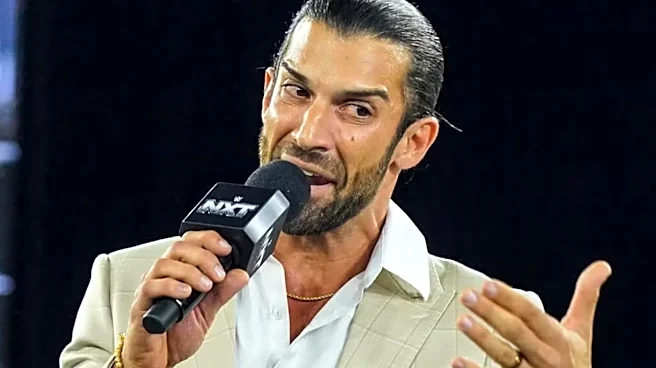
WWE NXT General Manager Robert Stone has publicly pushed back against the perception of NXT as merely a 'developmental brand' within WWE. Stone, speaking on 'Busted Open Radio,' asserted that NXT possesses its own unique style and identity, distinguishing
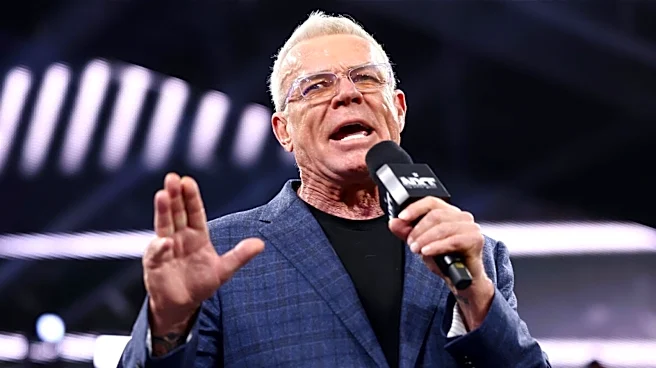
it from Raw and SmackDown. He highlighted a recent match between Jaida Parker and Kelani Jordan as an example of NXT's high-quality in-ring performances, suggesting it could rival or even surpass matches on the main roster shows. While acknowledging that NXT does develop talent, Stone emphasized that this function does not diminish its standing as a distinct brand. This stance contrasts with past comments from WWE CCO Paul 'Triple H' Levesque, who has referred to NXT as one of three main brands, and NXT head booker Shawn Michaels, who in 2022 maintained that NXT was primarily a developmental program. NXT currently airs on The CW network on Tuesday nights, with Grayson Waller and Kelani Jordan holding the NXT and NXT Women's Championships, respectively.
Why It's Important?
This debate over NXT's classification is important for several reasons within the professional wrestling industry and for WWE's brand strategy. If NXT is viewed solely as a developmental territory, it might be perceived as a stepping stone rather than a destination for talent, potentially impacting viewership, sponsorship, and the overall prestige of its championships. Robert Stone's assertion aims to elevate NXT's status, which could attract more established talent and encourage current NXT Superstars to view their tenure as a significant part of their career, not just a training period. For fans, a stronger, more independent NXT brand could mean more compelling storylines and higher-quality matches, as the pressure to 'graduate' to Raw or SmackDown might lessen. Economically, a distinct and successful NXT brand could open new revenue streams through merchandise, live events, and potentially separate media rights deals, further diversifying WWE's portfolio beyond its flagship shows.
What's Next?
The ongoing discussion regarding NXT's identity is likely to continue, with various figures within WWE potentially offering their perspectives. Robert Stone's comments could lead to further emphasis on NXT's unique characteristics in its programming and marketing. It remains to be seen if this push for a 'third brand' identity will influence booking decisions, talent recruitment, or the overall presentation of NXT. Future storylines might highlight the distinctiveness of NXT talent and their accomplishments within the brand, rather than solely focusing on their potential main roster call-ups. The performance of NXT on The CW network and its ability to draw viewership independent of Raw and SmackDown will be crucial in solidifying its position as a standalone brand. The current champions, Grayson Waller and Kelani Jordan, will play a key role in representing this asserted brand identity.
Beyond the Headlines
The debate surrounding NXT's status touches upon broader themes of brand identity and talent management within large entertainment corporations. For WWE, it's a strategic decision about how to best utilize its vast talent pool and maximize its market reach. By positioning NXT as a distinct brand, WWE could be aiming to cultivate a different audience demographic or offer a unique product that complements, rather than merely feeds, its main shows. This approach could also empower NXT's creative team to develop more independent and innovative storytelling, free from the direct influence of main roster narratives. Ethically, recognizing NXT as a standalone brand could provide more stability and recognition for its performers, potentially leading to better career longevity and financial opportunities within the NXT ecosystem itself, rather than solely relying on a main roster promotion. This shift could redefine what success looks like for a WWE Superstar, allowing for a successful career path exclusively within NXT.