



What's Happening?
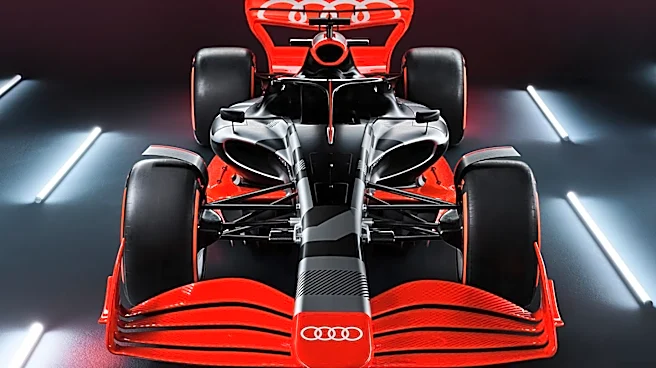
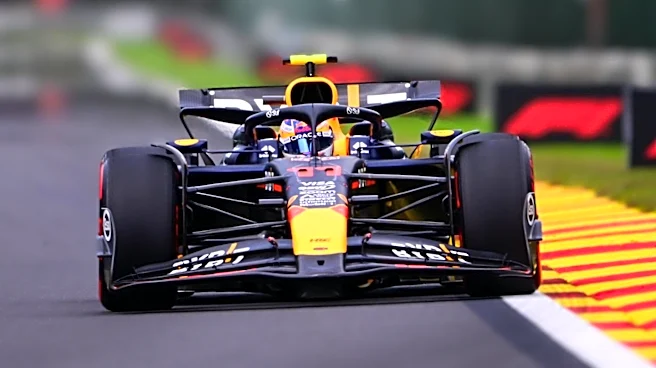
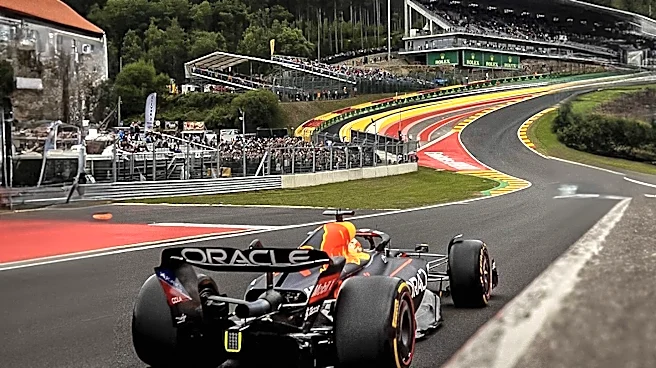
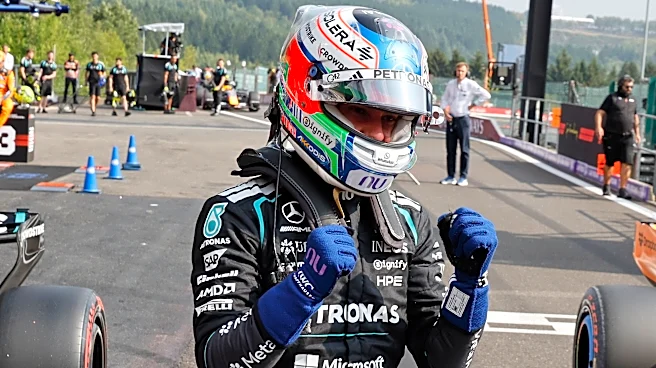
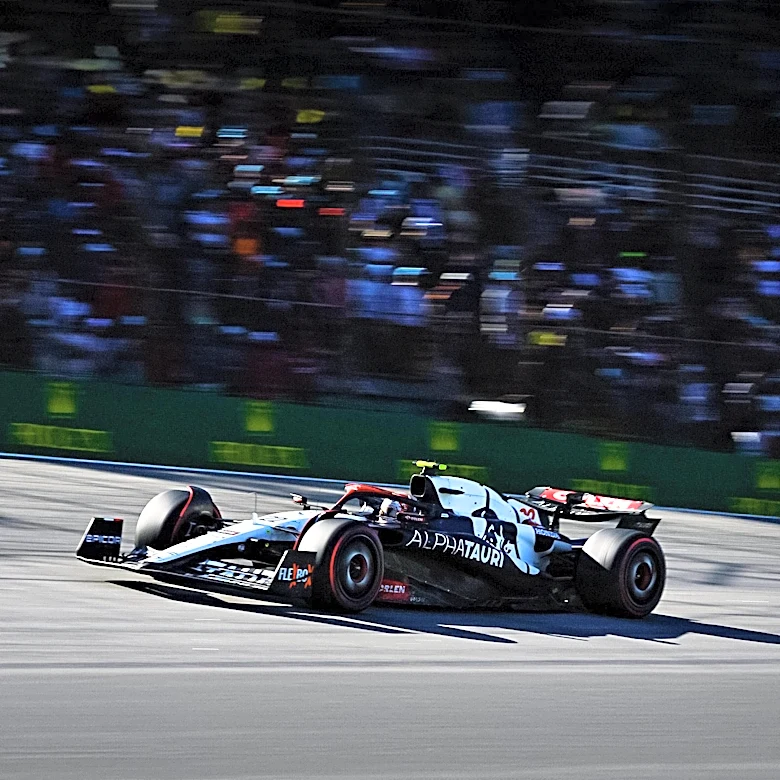
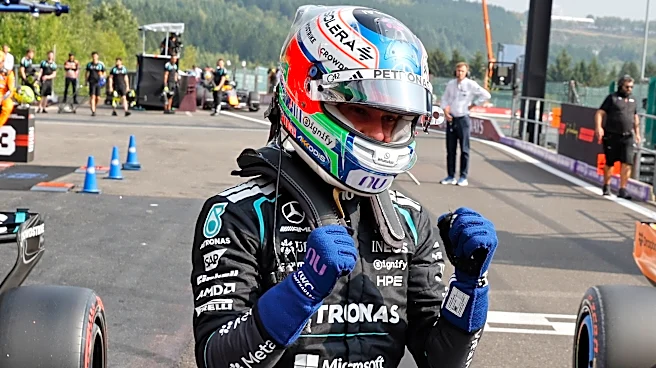
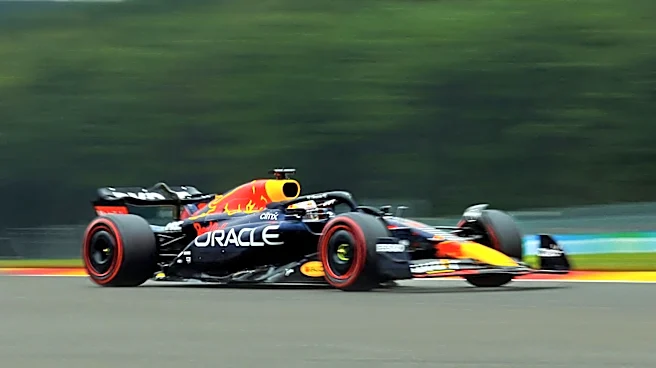
The Formula 1 race at Spa-Francorchamps highlighted significant challenges with the current F1 cars, particularly their energy limitations. The 2026 F1 cars, equipped with batteries that power electric motors for only a few seconds per lap, struggled
to maintain power on the long straights of the historic circuit. This energy constraint left the cars with less power than those in the junior F2 series, affecting their performance on one of the sport's most revered tracks. The Spa circuit, known for its demanding layout, exposed the limitations of the current F1 machinery, which relies heavily on energy management.
Why It's Important?
The issues faced at Spa-Francorchamps raise concerns about the current direction of F1 technology, particularly the reliance on energy management systems. These limitations could impact the sport's appeal, as fans and drivers alike value the high-speed, high-performance nature of F1 racing. The situation at Spa underscores the need for F1 to balance technological advancements with the traditional elements that make the sport exciting. The ongoing challenges with energy deployment could influence future regulations and car designs, as stakeholders seek to enhance the racing experience.
What's Next?
The F1 community may push for changes in regulations to address the energy limitations highlighted at Spa. Teams and engineers will likely explore ways to optimize energy deployment and improve car performance on energy-demanding tracks. The sport's governing bodies might consider revising rules to ensure that F1 cars can perform at their best on all circuits, preserving the competitive and thrilling nature of the races. The feedback from drivers and teams will be crucial in shaping the future of F1 technology and regulations.