






What's Happening?
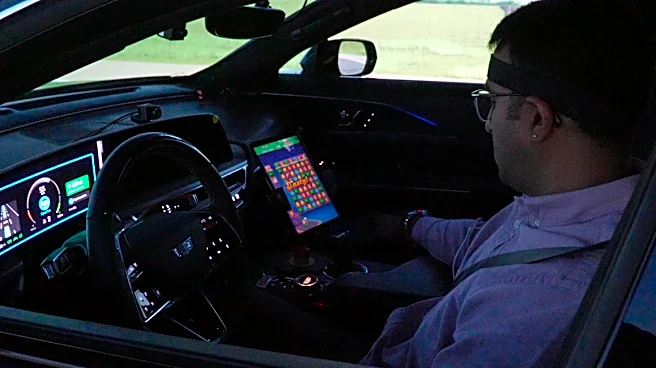
General Motors (GM) CEO Mary Barra has confirmed that the company remains on track to introduce its 'eyes-off, hands-off' autonomous driving system by 2028. This new technology is intended to allow drivers to disengage from monitoring the road while the system is active,
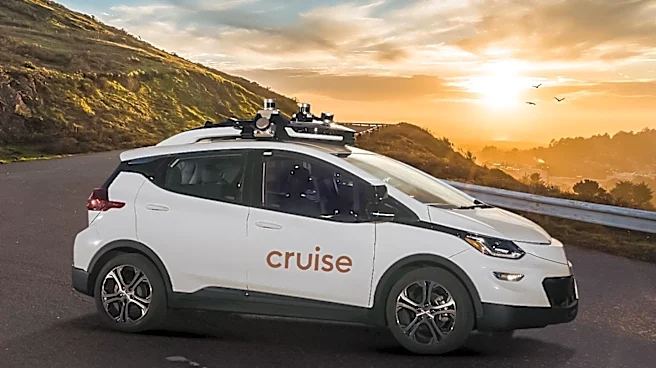
initially on highways. Barra, who recently experienced the technology firsthand, noted significant progress since her last evaluation in March. This advanced system will move beyond GM's current Super Cruise technology, which requires drivers to remain attentive to the road. Unlike some vision-only systems, GM's approach integrates lidar, radar, and cameras for enhanced perception. The Cadillac Escalade IQ is slated to be the first vehicle to feature this new autonomous driving capability. This strategic focus on privately owned vehicles follows GM's decision to shut down its Cruise robotaxi operation in December 2024, after investing over $10 billion. The company aims to leverage Cruise's technology and engineering expertise to develop autonomous features for personal vehicles, emphasizing flexibility for customers to choose between self-driving and vehicle-controlled journeys.
Why It's Important?
GM's commitment to a 2028 launch for 'eyes-off, hands-off' autonomous driving technology signifies a pivotal moment for the automotive industry and the future of personal transportation in the U.S. This development could redefine vehicle ownership by offering a new level of convenience and safety, potentially reducing driver fatigue and enhancing the travel experience. For GM, successfully deploying this technology could provide a significant competitive advantage in the rapidly evolving autonomous vehicle market, differentiating it from rivals and potentially boosting sales of high-end models like the Cadillac Escalade IQ. The shift from robotaxi services to integrating autonomous features into privately owned vehicles reflects a strategic pivot, indicating GM's belief in a broader consumer market for personal autonomy rather than shared mobility. This move could also influence regulatory discussions around autonomous driving, pushing for clearer guidelines and infrastructure adaptations to support such advanced capabilities on U.S. roads. The integration of lidar, radar, and cameras suggests a robust approach to safety, which is crucial for public acceptance and widespread adoption.
What's Next?
In the coming years, GM will likely continue rigorous testing and refinement of its 'eyes-off, hands-off' autonomous driving system to ensure its safety and reliability before the planned 2028 debut. The company is also expected to introduce a new centralized computing platform in 2028 to support these advanced autonomous capabilities. As the launch approaches, GM will need to work closely with regulatory bodies to secure necessary approvals and establish clear operational parameters for the technology on public roads. There will also be a focus on consumer education to build trust and understanding of the system's capabilities and limitations. Competitors in the automotive and technology sectors will be closely watching GM's progress, potentially accelerating their own autonomous driving initiatives. The successful deployment of this technology could lead to a broader industry trend of integrating advanced autonomous features into personal vehicles, potentially shifting investment away from robotaxi services towards consumer-focused solutions. Furthermore, the performance and reception of the Cadillac Escalade IQ with this new system will be a key indicator of its market viability and future expansion to other GM models.
Beyond the Headlines
The introduction of 'eyes-off, hands-off' autonomous driving technology by GM carries profound implications beyond mere convenience. Ethically, it raises questions about liability in the event of accidents, shifting responsibility from the human driver to the vehicle's manufacturer and its AI systems. This could necessitate new legal frameworks and insurance models. Culturally, it may alter the very experience of driving, transforming vehicles from tools of active control into mobile personal spaces where occupants can engage in other activities. This shift could impact urban planning, vehicle interior design, and even the psychological relationship individuals have with their cars. The reliance on a combination of lidar, radar, and cameras highlights the ongoing debate about the most effective and safest sensor suite for autonomous vehicles, potentially setting a standard for future development. Moreover, the decision to focus on privately owned vehicles rather than robotaxis suggests a long-term vision where personal autonomy remains central, potentially preserving the cultural significance of car ownership while enhancing its functionality. This could also influence the development of smart infrastructure, requiring roads and cities to adapt to vehicles that operate with minimal human intervention.