







What's Happening?
Veterinary experts are emphasizing that a cat's sleeping position can provide significant insights into its physical and emotional well-being. While cats are known for sleeping extensively, typically 12 to 16 hours daily, the specific postures they adopt
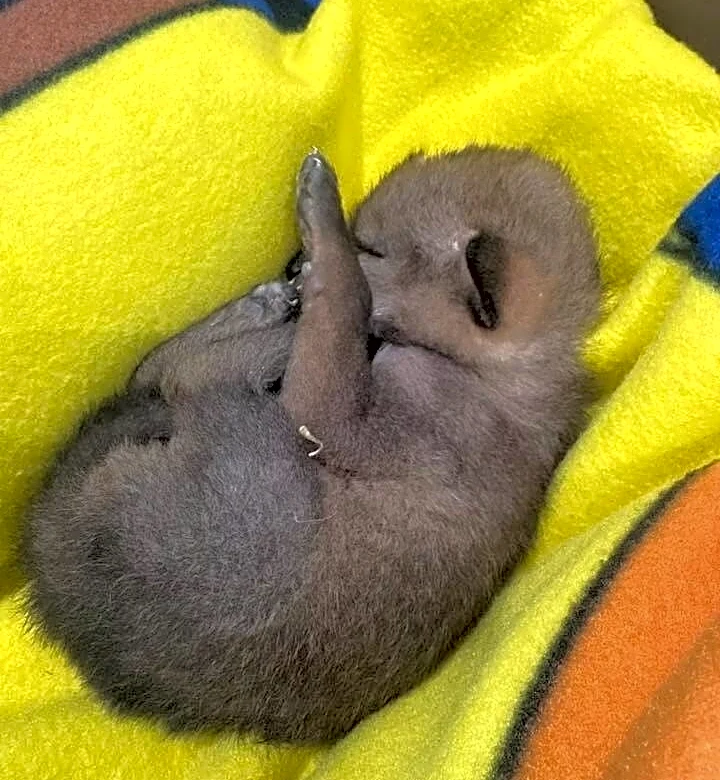
during these rest periods are not arbitrary. Each position serves a function, ranging from thermoregulation and self-protection to signaling emotional comfort or discomfort. For instance, a cat curled into a tight coil conserves body heat and protects vulnerable areas, which can be a normal behavior but might also indicate feeling cold or slightly on guard. Conversely, a cat sleeping with its abdomen exposed signifies deep trust and emotional security, as this posture leaves them vulnerable in the wild. Healthy cats typically rotate through various positions and stretch frequently between naps, indicating physical comfort and emotional equilibrium. A sudden change in these habits, such as consistently adopting a stiff or rigid posture, retreating to secluded areas, or ceasing to rotate positions, could be a warning sign of stress, anxiety, pain, or underlying illness.
Why It's Important?
Understanding the nuances of a cat's sleeping positions is crucial for pet owners as it offers a direct, non-invasive method to monitor their feline companions' health. This knowledge empowers owners to identify potential issues early, which can lead to timely veterinary intervention and improved outcomes for the cat. The ability to interpret these subtle cues strengthens the bond between pet and owner by fostering a deeper empathy and responsiveness to the cat's needs. Early detection of discomfort or illness through behavioral changes, such as altered sleeping patterns, can prevent conditions from escalating, potentially saving on costly and intensive treatments later. This approach highlights the importance of attentive observation as a fundamental aspect of responsible pet ownership, contributing to a higher quality of life for cats and a more informed caregiving experience for their owners. It underscores that seemingly minor behavioral shifts can be significant indicators of underlying health or emotional distress.
What's Next?
Pet owners are encouraged to observe their cats' sleeping habits more closely and consistently. Any persistent or dramatic changes in sleeping positions, especially if unrelated to environmental factors like temperature, should prompt a consultation with a veterinary professional. Veterinarians can then conduct thorough examinations to rule out underlying health concerns, stress, or pain. This proactive approach can lead to early diagnosis and treatment of potential medical issues. Furthermore, increased awareness among cat owners about the communicative nature of sleeping postures may lead to broader educational initiatives from veterinary associations and animal welfare organizations, promoting better understanding and care for feline companions. The ongoing observation and responsive care based on these insights will continue to enhance the overall well-being of cats.
Beyond the Headlines
The emphasis on cat sleeping positions as health indicators reflects a broader trend in veterinary science towards more holistic and behavioral approaches to animal health. This perspective moves beyond traditional symptom-based diagnostics to incorporate subtle behavioral cues, recognizing that animals often communicate their state through non-verbal signals. This shift has ethical implications, as it encourages owners to view their pets not just as companions but as individuals with complex emotional and physical needs that require careful interpretation. Culturally, it reinforces the idea of pets as integral family members whose well-being is deeply intertwined with human observation and care. Legally, this increased understanding could potentially influence standards of animal welfare, encouraging more comprehensive care practices. Ultimately, it fosters a deeper, more empathetic connection between humans and animals, promoting a more nuanced understanding of interspecies communication.