




What's Happening?
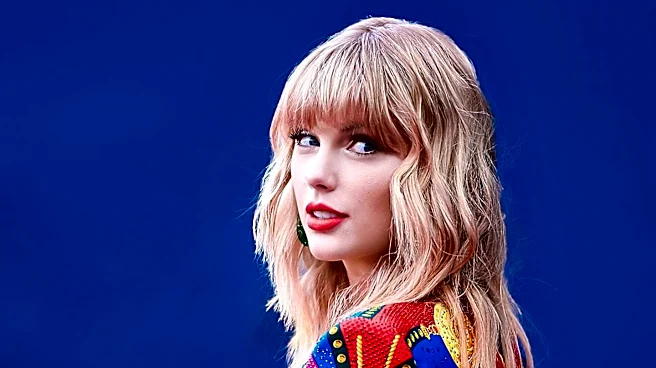
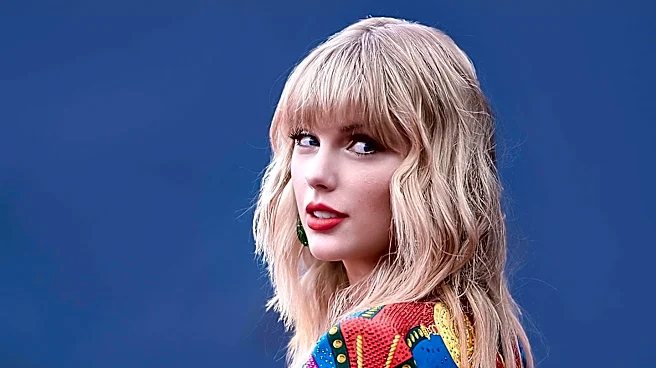
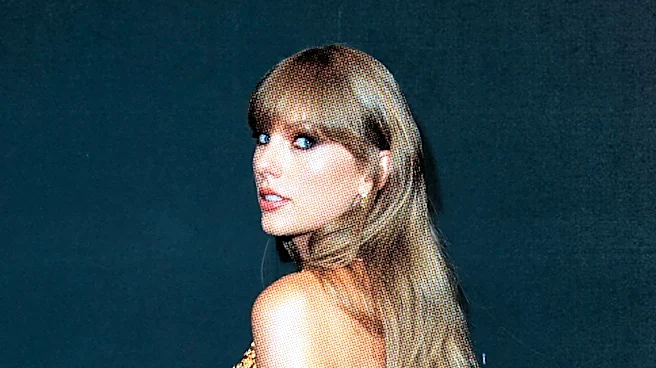
Condé Nast is reportedly experiencing internal discussions and concerns following Vanity Fair's publication of a critical feature on pop star Taylor Swift. The article, which drew on interviews with approximately 100 individuals connected to Swift, including
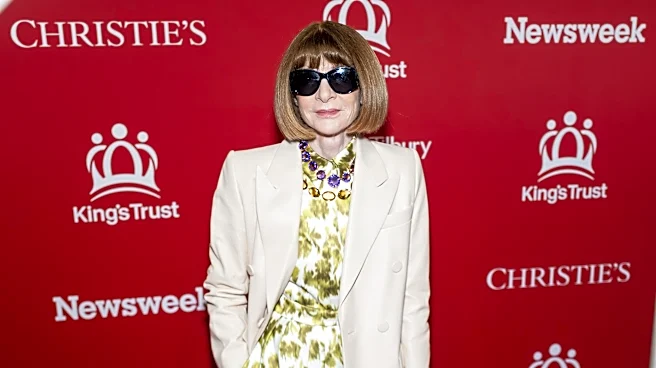
former schoolmates making allegations about her behavior, has prompted questions among Condé Nast employees regarding the decision to publish such a piece. According to Page Six, Vogue's head of editorial content, Chloé Malle, expressed concern about potentially damaging the company's relationship with Swift, particularly regarding future opportunities like the Met Gala and a Vogue cover. Anna Wintour, editor-in-chief of Vogue, has reportedly sought to distance herself from the controversy, with a source claiming she 'doesn’t want to be involved in any of this.' However, a representative for Vogue and Wintour denied these claims, stating 'there is no truth to any of it' and affirming Wintour's awareness of the article prior to publication. Conversely, Vanity Fair editorial director Mark Guiducci is reportedly pleased with the feature's reception, with a magazine insider praising its ability to attract new readers.
Why It's Important?
This internal friction at Condé Nast highlights the delicate balance media companies must maintain between journalistic integrity and access to high-profile celebrities. Taylor Swift's immense influence and global fanbase make her a significant figure for any publication seeking readership and cultural relevance. The reported concerns from Vogue's Chloé Malle underscore the potential business implications of alienating such a powerful figure, particularly in terms of exclusive content, event participation, and cover features that drive sales and engagement. Anna Wintour's alleged desire to remain uninvolved, despite her representative's denial, suggests a recognition of the sensitive nature of the situation and the potential for reputational fallout. The differing reactions within Condé Nast—from Malle's concern over 'burning bridges' to Guiducci's satisfaction with attracting new readers—illustrate a broader tension in media strategy: whether to prioritize critical, potentially controversial content or to maintain favorable relationships with influential figures for continued access and collaboration. This situation could influence how other major media outlets approach coverage of A-list celebrities in the future.
What's Next?
The immediate aftermath of the Vanity Fair article will likely involve continued internal discussions within Condé Nast regarding editorial policies and celebrity relations. While a representative for Vogue and Anna Wintour has denied claims of internal discord, the reported concerns from Chloé Malle suggest that the company may need to reassess its approach to high-profile celebrity coverage. Future interactions between Taylor Swift and Condé Nast publications, particularly Vogue and Vanity Fair, will be closely watched to see if any perceived damage to their relationship materializes. This could manifest in Swift's willingness to participate in future interviews, photoshoots, or events like the Met Gala. The success or failure of Vanity Fair's strategy to attract new readers through this critical piece will also be a key indicator for the publication's future editorial direction. Other media outlets may observe this situation to gauge the potential risks and rewards of publishing critical pieces on globally recognized figures, potentially influencing their own editorial decisions regarding celebrity profiles.
Beyond the Headlines
This incident delves into the evolving dynamics between celebrity power, media scrutiny, and corporate interests within the publishing industry. The reported concerns about 'burning bridges' with Taylor Swift underscore the significant leverage that mega-celebrities now hold over media narratives and access. In an era where direct communication with fans through social media is prevalent, celebrities can bypass traditional media gatekeepers, making their cooperation even more valuable. This situation also raises questions about the ethical boundaries of celebrity journalism: how far should a publication go in scrutinizing a public figure, especially when it risks alienating a key source of content and revenue? The internal debate at Condé Nast reflects a broader industry challenge in balancing journalistic independence with the commercial realities of celebrity-driven content. It highlights a potential long-term shift where media companies might become more cautious in their critical coverage of powerful figures, prioritizing access and collaboration over potentially damaging exposés, thereby influencing the depth and nature of celebrity journalism.