




What's Happening?
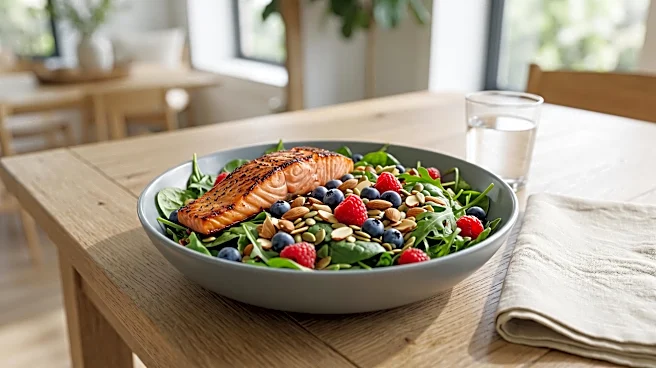
Dole Food Company is introducing a new line of 'protein greens' designed to offer a higher plant protein content than traditional lettuce mixes. These blends are not artificially enhanced but rather consist of naturally protein-rich greens, such as sweet
pea leaves, spinach, kale, and bok choy. According to Melanie Marcus, a registered dietitian and wellness and communications manager for Dole Food Company, a 4.2-ounce container of these protein greens can provide approximately 5 grams of protein. While this offers a modest protein boost, Marcus emphasizes that these products should primarily be viewed as vegetables, not as a sole source of protein. The inclusion of sweet pea leaves is notable as pea plants are legumes known for their ability to convert nitrogen into amino acids, which are then used to build protein. This initiative aims to provide consumers with an easy way to incorporate more plant-based protein into their diets while also benefiting from fiber and micronutrients.
Why It's Important?
This development by Dole Food Company reflects a growing consumer demand for healthier food options and increased protein intake, particularly from plant-based sources. The introduction of 'protein greens' could influence the U.S. food industry by setting a new trend for salad mixes and encouraging other companies to innovate in the functional food space. For consumers, it offers a convenient way to enhance the nutritional value of their meals without significant dietary changes. This product caters to individuals seeking to boost their protein intake, including vegetarians, vegans, and those looking to reduce meat consumption. The emphasis on natural protein sources aligns with broader health and wellness trends, potentially leading to a shift in how salad components are marketed and perceived. The success of such products could also impact agricultural practices, encouraging the cultivation of more protein-rich leafy greens.
What's Next?
The market reception of Dole's 'protein greens' will likely determine the future expansion of similar products within the U.S. food industry. If successful, other agricultural companies and food manufacturers may follow suit, leading to a wider variety of protein-enhanced produce options. Consumers can expect to see these 'protein greens' become more widely available in grocery stores and potentially in food service establishments. Dole Food Company may also explore further innovations in blending different greens or incorporating other plant-based protein sources into their products. Additionally, there could be increased educational efforts from health and wellness experts, like Melanie Marcus, to inform consumers about the benefits and proper integration of these protein greens into a balanced diet, emphasizing that they complement, rather than replace, other protein sources.
Beyond the Headlines
The introduction of 'protein greens' by Dole Food Company highlights a deeper societal shift towards preventative health and conscious eating. This trend extends beyond simply adding protein to food; it reflects a broader interest in understanding the nutritional composition of everyday items and optimizing dietary choices for overall well-being. The ethical implications of sustainable agriculture and the sourcing of these specialized greens could also become a point of discussion, especially as demand grows. Furthermore, the concept of 'functional foods'—foods that offer health benefits beyond basic nutrition—is gaining traction, and 'protein greens' fit squarely into this category. This could lead to a re-evaluation of what constitutes a 'healthy' salad and encourage consumers to look beyond calorie counts to the micronutrient and macronutrient profiles of their food. The long-term impact could be a more informed consumer base and a food industry that prioritizes nutritional density alongside taste and convenience.