



What's Happening?
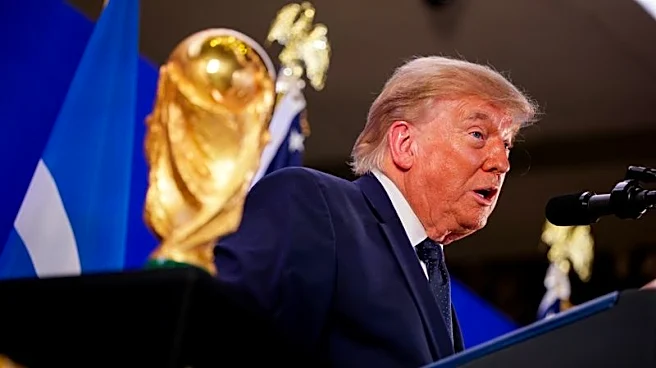
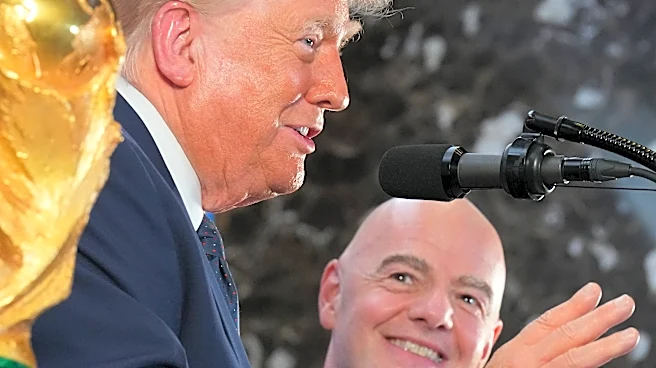
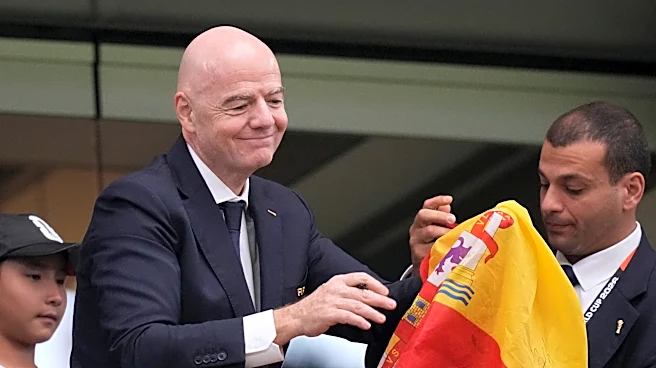
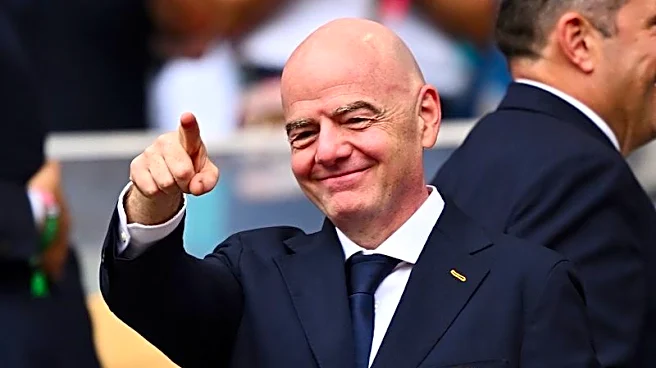
Gianni Infantino, the FIFA president, is not expected to face sanctions from the International Olympic Committee (IOC) despite allegations of breaching political neutrality rules. The controversy arose after President Trump reportedly contacted Infantino to discuss
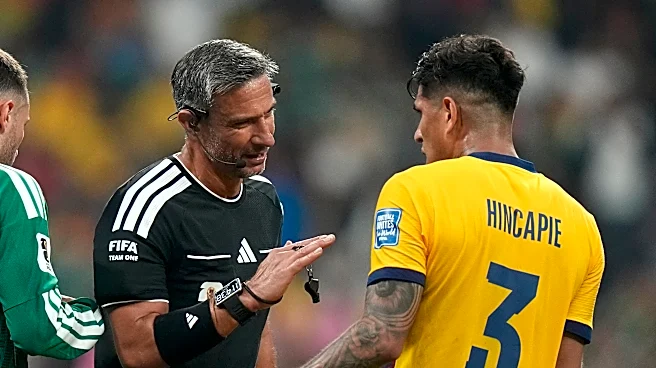
the suspension of Folarin Balogun, a U.S. soccer player, from a World Cup match against Belgium. Following this, FIFA's disciplinary committee suspended Balogun's ban for 12 months. The human rights organization FairSquare filed a complaint with the IOC, claiming Infantino's actions violated the IOC's charter, which mandates independence from political influences. However, sources indicate that the IOC is reluctant to intervene, especially since internal appeals within FIFA have not been exhausted. The IOC's dependence on FIFA for commercial revenue and its interest in the growing U.S. soccer market, especially with the upcoming 2028 Olympics in Los Angeles, further complicate the situation.
Why It's Important?
This incident highlights the complex interplay between sports governance and political influence. The potential breach of neutrality by Infantino, if proven, could undermine the integrity of international sports organizations like FIFA and the IOC. The situation also underscores the significant influence of political figures on sports decisions, which could set a precedent for future interactions between political leaders and sports bodies. The reluctance of the IOC to act may reflect broader concerns about maintaining relationships with influential sports organizations like FIFA, which are crucial for the financial and operational success of global sporting events. This case could impact how sports governance bodies handle political interactions and maintain their independence.
What's Next?
While the IOC is unlikely to pursue formal action against Infantino, the situation may prompt internal reviews within FIFA regarding its disciplinary processes and the influence of external parties. The Belgian Football Federation, which opposed the suspension of Balogun's ban, may consider legal options, including an appeal to the Court of Arbitration for Sport. However, their silence since Belgium's World Cup exit suggests they might drop the matter. The incident could lead to discussions within the IOC and FIFA about reinforcing policies to prevent political interference in sports governance.