

What's Happening?
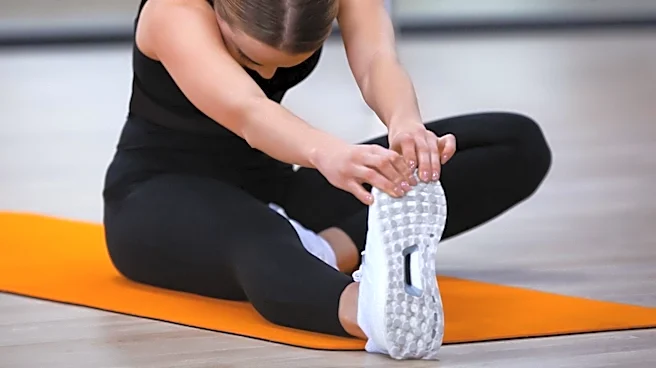
Bodyweight workouts, which utilize an individual's own body weight for exercises such as squats, modified push-ups, and lunges, are highlighted as an effective starting point for weight management and strength development. These exercises require minimal
to no equipment, making them highly accessible. A well-structured 30-minute fitness routine can incorporate these bodyweight movements, allowing for gradual increases in resistance as an individual's strength improves. For those experiencing muscle soreness, restorative bodyweight workouts, characterized by low-impact exercises and stretching, can aid in mobilizing joints and enhancing blood circulation. This approach emphasizes consistency and sustainability over high-intensity or high-frequency training, making fitness manageable for a wider range of individuals, including those new to exercise, recovering from injuries, or managing demanding lifestyles. The focus is on building long-term healthy habits rather than pursuing extreme short-term weight loss.
Why It's Important?
The emphasis on bodyweight workouts is significant for public health and individual well-being in the U.S. as it lowers the barrier to entry for physical activity. The accessibility of these exercises, requiring no special equipment or gym memberships, makes them a viable option for a broad demographic, including those with limited financial resources or time constraints. This approach can help combat rising rates of sedentary lifestyles and associated health issues like obesity and cardiovascular disease. By promoting sustainable and manageable fitness routines, it encourages long-term adherence to physical activity, which is crucial for preventing chronic illnesses and improving overall quality of life. The flexibility of bodyweight exercises also allows individuals to adapt workouts to their specific fitness levels and physical conditions, reducing the risk of injury and fostering a positive relationship with exercise. This can lead to a healthier, more active population, potentially reducing healthcare costs and increasing productivity.
What's Next?
The continued promotion and integration of bodyweight workouts into public health initiatives and fitness programs are likely. Educational campaigns could further highlight the benefits and accessibility of these exercises, encouraging more individuals to adopt them. Fitness professionals and online platforms may develop more structured bodyweight routines tailored to various fitness levels and goals, potentially incorporating progressive overload principles to ensure continuous improvement. There might also be an increased focus on combining bodyweight exercises with other low-impact activities like brisk walking, cycling, and swimming to create comprehensive, sustainable fitness plans. For individuals, the next step involves consistently incorporating these exercises into their daily or weekly routines, starting with manageable durations and intensities, and gradually increasing the challenge as their strength and endurance grow. The development of user-friendly apps or online resources providing guided bodyweight workouts could also expand their reach.
Beyond the Headlines
Beyond the immediate benefits of weight management and strength building, the widespread adoption of bodyweight workouts could foster a cultural shift towards more intrinsic and self-sufficient forms of physical activity. By demystifying fitness and removing the reliance on external equipment or specialized facilities, it empowers individuals to take greater ownership of their health. This could lead to a re-evaluation of what constitutes 'exercise,' moving away from the perception that it must be strenuous or time-consuming to be effective. Ethically, it promotes inclusivity in fitness, ensuring that socioeconomic status does not dictate access to physical well-being. Long-term, this could contribute to a more resilient and health-conscious society, where physical activity is integrated seamlessly into daily life rather than viewed as a separate, often daunting, obligation. It also underscores the importance of foundational movement patterns and functional strength, which are crucial for maintaining independence and quality of life as people age.