




What's Happening?
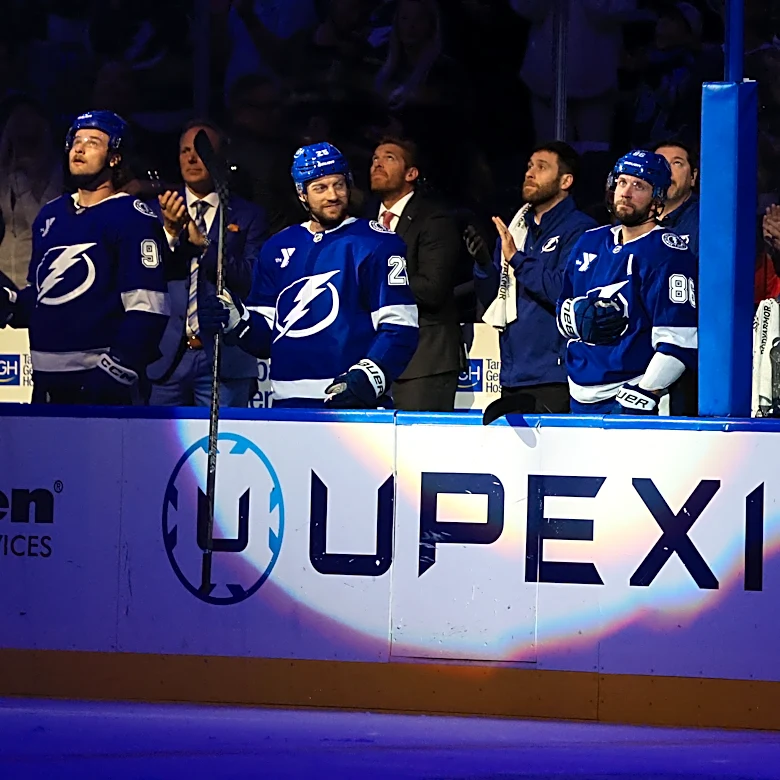
Nikita Kucherov, the reigning Hart Trophy winner and a prominent player for the Tampa Bay Lightning, has reportedly informed his teammates and the organization that he will not re-sign with the team and has requested a trade. This development, reported by
Sportsnet’s Elliotte Friedman, comes as a surprise given Kucherov's stature and his long tenure with the Lightning. The exact reasons for his decision are currently unclear, and both Lightning general manager Julien Brisebois and Kucherov’s agent Dan Milstein have declined to comment. Kucherov, 33, has been a cornerstone of the Lightning franchise, leading the league in scoring multiple times and contributing significantly to their two Stanley Cup victories. He is a pending unrestricted free agent, and it appears that contract negotiations have not progressed as he had hoped. Kucherov has spent his entire 13-year NHL career with the Lightning, setting franchise records for points.
Why It's Important?
Nikita Kucherov's trade request and decision not to re-sign with the Tampa Bay Lightning represent a monumental shift for the franchise and could send ripples across the National Hockey League. As the reigning MVP and a consistent top scorer, his departure would create a massive void in the Lightning's offensive capabilities and leadership. This situation highlights the complexities of player contracts and the challenges teams face in retaining star talent, especially as players approach unrestricted free agency. For the Lightning, losing Kucherov would necessitate a significant retooling of their roster and strategy, potentially impacting their competitiveness for several seasons. For other NHL teams, Kucherov's availability, even with his high salary and age, presents a rare opportunity to acquire a proven superstar, potentially altering the balance of power in the league. The outcome of this situation will be closely watched by fans, analysts, and other team executives, as it could set precedents for how star players navigate their final contract years.
What's Next?
The immediate future for Nikita Kucherov and the Tampa Bay Lightning involves navigating the complexities of a trade request from a superstar player. The Lightning's general manager, Julien Brisebois, will likely explore trade options, seeking to maximize the return for Kucherov while considering his no-trade clauses or preferred destinations. This process could involve extensive negotiations with multiple teams, as Kucherov's talent will attract significant interest. For Kucherov, the focus will be on finding a new team that aligns with his career aspirations, whether that's a contender for the Stanley Cup or a team offering a lucrative long-term contract. The timing of a potential trade is also critical, as it could happen before the trade deadline or during the offseason. The outcome will significantly impact the Lightning's roster construction and salary cap situation, potentially leading to other player movements within the organization. The NHL community will be keenly observing these developments, as a trade of this magnitude could reshape the competitive landscape of the league.
Beyond the Headlines
Nikita Kucherov's decision to request a trade, despite his long and successful tenure with the Tampa Bay Lightning, raises deeper questions about player loyalty, team management, and the evolving dynamics of professional sports contracts. It underscores the increasing agency of star athletes in shaping their careers, even when it means parting ways with a franchise where they've achieved significant success. This situation could influence how other star players approach their contract negotiations and their willingness to explore new opportunities. From a team perspective, it highlights the constant pressure to balance competitive aspirations with financial realities and player demands. The emotional impact on a fanbase, seeing a beloved and iconic player depart, is also a significant, though often unquantifiable, aspect. This event could serve as a case study for future discussions on player empowerment, the role of agents, and the long-term implications of salary cap management in professional hockey.