




What's Happening?
A recent ranking by rental car company SIXT, based on Google and TikTok search trends, has identified several U.S. roads known for eerie reputations and paranormal folklore. Among these, the I-4 Dead Zone near the St. Johns River outside Sanford, Florida,
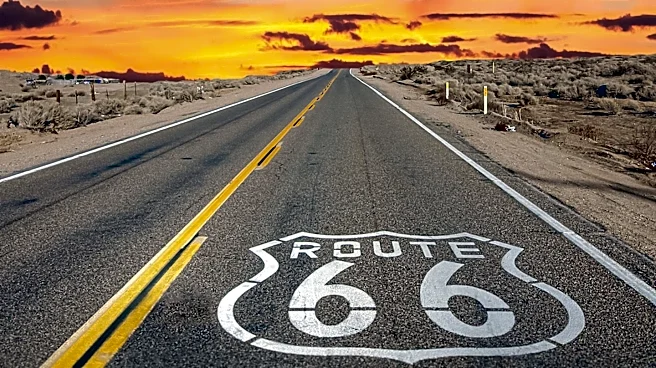
is noted for stories of ghost sightings, strange lights, and electronic interference. A popular legend suggests this stretch of highway was built over an old burial site of German settlers who died during a yellow fever outbreak. Local reports have even explored the possibility that this legend was deliberately created as an act of revenge. Similarly, sections of historic Route 66 in California, particularly those with abandoned businesses and forgotten settlements, are associated with phantom hitchhikers and ghostly encounters. These roads, along with others like Clinton Road in New Jersey and the Extraterrestrial Highway in Nevada, draw curious travelers interested in unexplained phenomena, though paranormal activity remains unverified.
Why It's Important?
The popularity of these 'spooky roads' reflects a significant cultural interest in local legends, folklore, and the paranormal across the U.S. This trend, amplified by social media and online searches, drives a niche form of tourism, attracting travelers seeking unique and unsettling experiences. For local economies near these sites, this interest can translate into increased visitor traffic, potentially benefiting businesses like diners, motels, and souvenir shops, even if the primary draw is the macabre. The phenomenon also highlights how historical narratives, whether factual or legendary, can shape public perception of infrastructure and landscapes. The deliberate creation of a legend, as suggested for the I-4 Dead Zone, underscores the power of storytelling in influencing public imagination and even travel patterns, demonstrating how narratives can become as significant as the physical locations themselves.
What's Next?
The continued interest in these 'spooky roads,' as evidenced by their consistent ranking on lists like SIXT's, suggests that they will remain popular destinations for paranormal enthusiasts and curious travelers. Social media platforms and online communities will likely continue to fuel discussions and share new accounts related to these locations, potentially leading to further exploration and documentation of their legends. Local tourism boards and businesses might increasingly leverage these eerie reputations to attract visitors, developing themed tours or events. However, the challenge will be to balance the allure of the supernatural with the need for safety and responsible tourism, especially in remote or isolated areas. The ongoing fascination with these roads also indicates a broader trend of seeking out unique, experience-driven travel, moving beyond traditional sightseeing to explore the more mysterious aspects of American geography.
Beyond the Headlines
The enduring appeal of 'spooky roads' delves into deeper psychological and cultural aspects of human curiosity and our relationship with the unknown. These legends often serve as modern-day cautionary tales or reflections of historical anxieties, such as the I-4 Dead Zone's connection to an old burial site and disease. The concept of 'revenge' in the context of the I-4 legend adds a layer of human emotion and historical grievance to the supernatural narrative, suggesting that some stories are rooted in past injustices or tragedies. Furthermore, the transformation of ordinary infrastructure into sites of paranormal interest highlights how human imagination can imbue everyday spaces with extraordinary meaning. This phenomenon also touches upon the human desire to believe in something beyond the tangible, offering a sense of wonder and mystery in an increasingly rationalized world, and demonstrating how folklore continues to evolve and thrive in contemporary society.