



What's Happening?
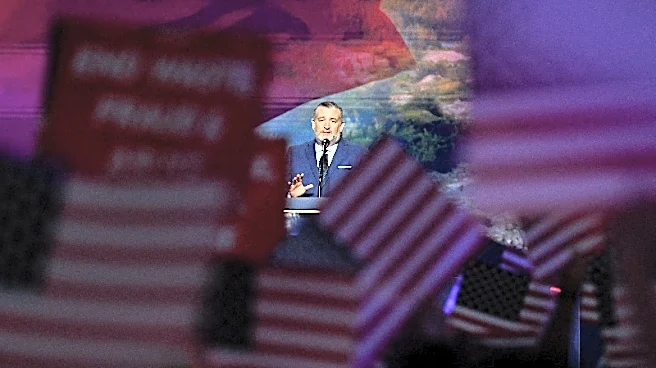
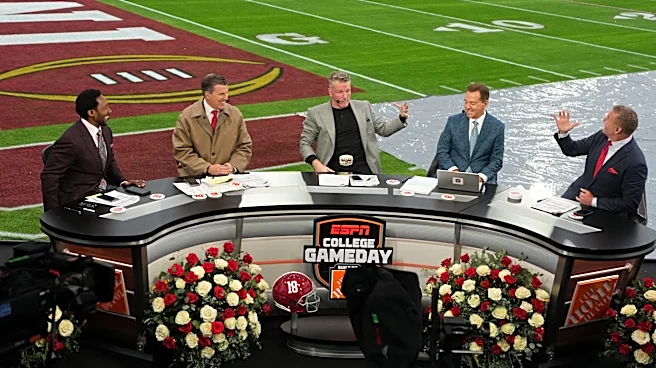
The NAACP has publicly criticized ESPN for its handling of the Protect College Sports Act, specifically pointing to the network's decision to provide Senator Ted Cruz (R-Texas) a platform on 'College GameDay' to advocate for the bill without offering
a balanced perspective. The organization, dedicated to advancing civil rights and economic security for Black people and all persons of color, stated on Twitter that it was 'surprised [ESPN] so willing[ly] lent their platform to political performance today.' The NAACP argues that the Protect College Sports Act is 'dangerous to Black Athletes and the Black community' and has invited NCAA president Derrick Johnson to appear on ESPN to express these concerns. Critics suggest ESPN is 'in the tank' for the bill's passage, aiming to grant the NCAA and its members an antitrust exemption to limit players' earning power and mobility.
Why It's Important?
The NAACP's intervention highlights significant concerns about the potential impact of the Protect College Sports Act on minority athletes and broader issues of equity in college sports. By framing the bill as 'dangerous to Black Athletes,' the NAACP brings a racial justice dimension to the debate, suggesting that proposed regulations could disproportionately affect a demographic that forms a substantial part of college athletics. This criticism also challenges ESPN's journalistic integrity and its role as a major sports media outlet, questioning whether its coverage is impartial or serves a particular agenda. The outcome of this legislative push and the media's portrayal of it could have lasting consequences for athlete welfare, economic opportunities, and the future of diversity and inclusion in collegiate sports.
What's Next?
The NAACP's public challenge to ESPN suggests a continued push for balanced reporting and a platform for opposing views on the Protect College Sports Act. The organization's invitation to NCAA president Derrick Johnson to discuss the bill's negative implications on ESPN's 'College GameDay' indicates a desire to directly counter the narrative presented by Senator Cruz. If ESPN accepts this challenge, it could lead to a more comprehensive public discussion about the bill's merits and drawbacks. Conversely, if ESPN does not provide equal time, it may face further accusations of bias and a lack of journalistic responsibility, potentially intensifying the debate around media ethics in sports coverage and the future of college athlete rights.
Beyond the Headlines
The NAACP's strong stance against ESPN's coverage and the Protect College Sports Act underscores a deeper societal conversation about economic justice and systemic inequalities within institutions. The argument that the bill is 'dangerous to Black Athletes' suggests that proposed limitations on athlete compensation and mobility could perpetuate existing disparities, potentially hindering the economic advancement of a significant portion of college athletes. This situation also reflects a growing trend where civil rights organizations are increasingly engaging with issues in sports, recognizing the profound impact that athletic policies can have on broader social and economic equity. The debate moves beyond mere sports regulation to touch upon fundamental questions of labor rights, fair compensation, and the role of powerful institutions in shaping the lives and futures of young individuals, particularly those from marginalized communities.