








What's Happening?
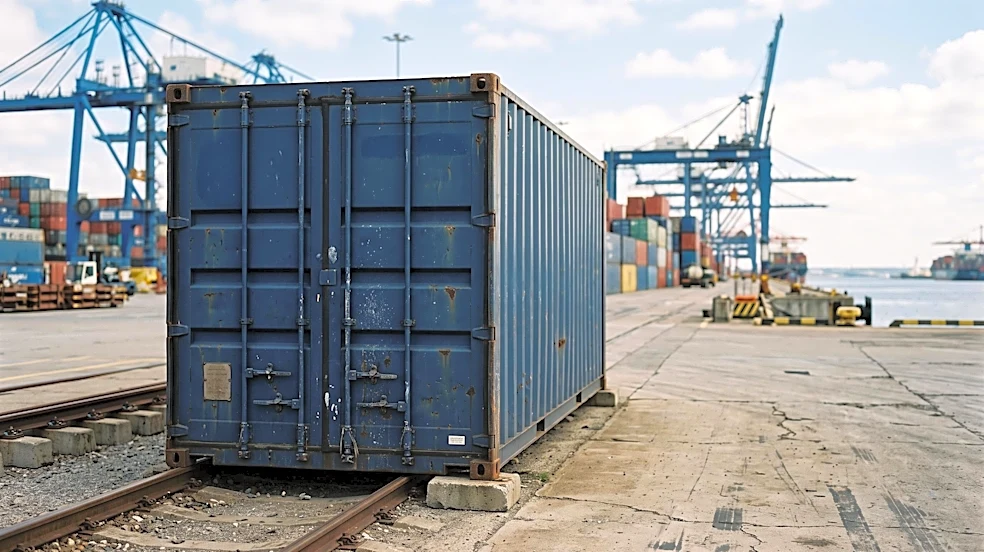
Supply chain priorities are evolving, with leaders now needing to balance both cost reduction and resilience, a shift from the traditional focus on one or the other. According to Blake Tablak, CEO of Trax Technologies, the luxury of separating these goals
no longer exists due to constant global disruptions. Companies are under pressure to cut costs while simultaneously ensuring products arrive on time and in good condition. Tablak emphasizes that achieving both requires optimizing controllable elements through enhanced visibility and data intelligence. Traditional methods like RFPs are proving insufficient, as hidden costs such as accessorial charges can negate savings. Recent global events have underscored the critical importance of real-time data and agility in navigating supply chain volatility, moving from reactive problem-solving to proactive planning.
Why It's Important?
This dual focus on cost reduction and resilience is crucial for U.S. businesses operating in an increasingly unpredictable global landscape. Companies that fail to adapt risk significant financial losses from inefficient operations and disruptions that can halt product flow. The ability to optimize costs while building robust supply chains directly impacts profitability, market competitiveness, and customer satisfaction. For industries reliant on complex supply chains, such as manufacturing, retail, and technology, this shift dictates strategic investments in data analytics, AI-driven intelligence, and end-to-end process visibility. Businesses that master this balance will be better positioned to mitigate risks, respond swiftly to unforeseen events, and maintain operational continuity, ultimately safeguarding their bottom line and market share. The emphasis on data-driven decision-making also highlights a growing need for skilled professionals in supply chain analytics and technology.
What's Next?
Companies are expected to increasingly invest in technologies that provide real-time visibility and intelligence across their supply chains. This includes advanced analytics platforms, AI-powered tools for identifying inefficiencies, and integrated systems that can process vast amounts of data from various sources. Leaders will need to prioritize understanding where good data resides, how to convert it into actionable intelligence, and how to keep that intelligence up-to-date. Furthermore, there will be a greater emphasis on internal audits and end-to-end process mapping to identify and eliminate bottlenecks and inefficiencies. The goal is to move from a reactive firefighting mode to proactive planning, enabling quicker decision-making and more effective risk management. Collaboration with technology providers offering specialized supply chain solutions will also become more prevalent as businesses seek to enhance their operational resilience.
Beyond the Headlines
The evolving supply chain landscape presents deeper implications beyond immediate operational adjustments. It signals a fundamental shift in how businesses perceive and manage risk, moving towards a more integrated and holistic approach. The demand for both cost efficiency and resilience highlights the interconnectedness of global economies and the fragility of just-in-time inventory systems when faced with geopolitical events, natural disasters, or pandemics. This necessitates a cultural shift within organizations, fostering greater collaboration between departments and a willingness to invest in long-term strategic capabilities rather than short-term fixes. Ethically, it also raises questions about the responsibility of companies to build sustainable and ethical supply chains that can withstand shocks, ensuring fair labor practices and environmental stewardship even under pressure. The future of supply chain management will be defined by intelligence, adaptability, and a proactive stance towards an ever-changing world.