

What's Happening?
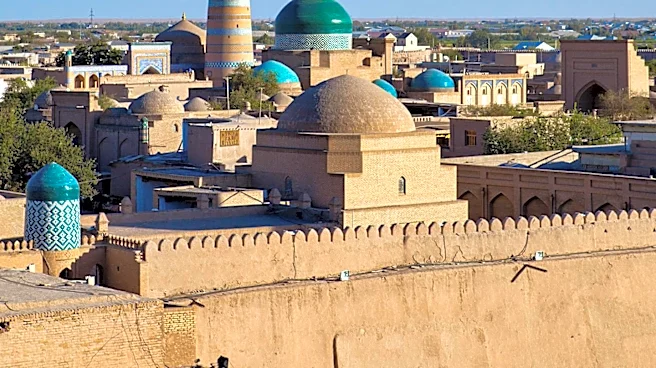
Uzbekistan is set to launch tourism projects valued at $11 billion within the next month, alongside making an additional 5,000 hectares of land available for tourism development. This initiative was announced by President Shavkat Mirziyoyev's press secretary,
Sherzod Asadov, following a meeting with investors and entrepreneurs in the construction and tourism sectors. President Mirziyoyev outlined a comprehensive package of incentives designed to bolster the tourism industry. These include financial support for hotel construction, offering loans in local currency at a 16% annual interest rate. Tax exemptions on land and property have been extended through 2030, and subsidies for internationally star-rated hotels will continue for an additional two years. Furthermore, tour operators serving foreign tourists are now exempt from value-added tax (VAT), customs benefits for importing tourist transport vehicles have been extended for another year, and the vehicle recycling fee has been abolished. The government has already allocated approximately $166.66 million this year for tourism infrastructure development, with regional governors tasked to prepare presentations on their tourism potential for an upcoming international investment forum.
Why It's Important?
This aggressive push by Uzbekistan to expand its tourism sector signifies a strategic economic diversification effort. By aiming to attract 20 million foreign visitors and increase tourism's share of GDP from 3.5% to 7%, the country is positioning tourism as a major economic pillar. The substantial financial incentives, tax breaks, and land allocations are designed to attract significant foreign and domestic investment, which could lead to a boom in infrastructure development, job creation, and increased foreign exchange earnings. The focus on international star-rated hotels and the exemption of VAT for tour operators catering to foreign tourists indicate a clear strategy to appeal to a global market and enhance the quality of tourist services. This could also foster greater international collaboration and partnerships within the tourism industry, potentially drawing in expertise and capital from global players. The abolition of the vehicle recycling fee for tourist transport further reduces operational costs for businesses, making the sector more attractive for investment and growth.
What's Next?
Uzbekistan is preparing to host its first international tourism investment forum in Tashkent from November 25-27, expecting over 100 major investors from more than 25 countries. This forum will be a critical platform for regional authorities to showcase their tourism potential and for the government to solicit proposals for new large-scale projects from both foreign and domestic investors. Following the forum, the focus will shift to the implementation of these projects, with regional governors having specific investment targets. The government's emphasis on converting allocated resources into tangible investment projects and jobs suggests a rapid progression from planning to execution. The extended incentives and benefits will likely remain in place to support these new ventures, aiming to achieve the ambitious goals of attracting 20 million foreign visitors and significantly boosting tourism's contribution to the national GDP. Continued monitoring of these projects and their impact on the local economy will be crucial.
Beyond the Headlines
Uzbekistan's comprehensive tourism strategy extends beyond mere economic growth; it represents a broader effort to integrate the country more deeply into the global economy and enhance its international profile. By leveraging its rich cultural heritage and natural landscapes, Uzbekistan aims to become a significant player in global tourism. The emphasis on sustainable development, as implied by the focus on local communities and cultural preservation in other regional tourism discussions, suggests a long-term vision that balances economic gain with environmental and social responsibility. This approach could lead to the development of unique tourism products that highlight Uzbekistan's distinct identity, potentially fostering greater cultural exchange and understanding. The success of this initiative could also serve as a model for other developing nations looking to diversify their economies through tourism, demonstrating how strategic government support and international collaboration can transform a sector.