

What's Happening?
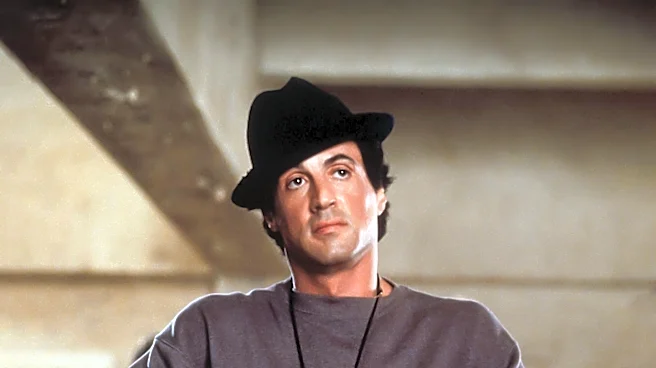
Sylvester Stallone has openly discussed his past disputes regarding the ownership of the 'Rocky' franchise, stating he has decided not to continue the battle with the producers. Stallone, who wrote the original 'Rocky' movie released in December 1976,
expressed his frustration over having 'zero ownership' despite his pivotal role in creating the iconic character and story. He recounted being told, 'Hey, you got paid, so what are you complaining about?' and described feeling 'furious' about the situation. Stallone also revealed that before he secured the role, major stars like Robert Redford, Nick Nolte, Jimmy Caan, Ryan O'Neal, and Burt Reynolds were considered for the part of Rocky Balboa, highlighting his underdog journey to becoming the lead.
Why It's Important?
Stallone's candid remarks shed light on the often-contentious issue of intellectual property rights and ownership within the entertainment industry. His experience, despite being the creator and star of a globally recognized and Oscar-winning franchise, underscores the power dynamics between talent and studios/producers. This situation is significant for aspiring writers and actors, illustrating the complex contractual agreements and potential for creators to lose control over their own work. The fact that 'Rocky' is frequently aired worldwide, yet its creator felt marginalized in terms of ownership, highlights a systemic issue that can impact an artist's long-term financial and creative control. It also emphasizes the importance of legal counsel and negotiation in safeguarding creative assets in Hollywood.
What's Next?
While Stallone has indicated he will no longer pursue ownership disputes, his public statements could reignite discussions within the industry about fair compensation and intellectual property rights for creators. This might encourage other artists to scrutinize their contracts more closely and advocate for better terms. The ongoing conversation about creator rights could lead to increased transparency or even calls for legislative changes to protect artists in Hollywood. For Stallone, moving past the ownership battle suggests a focus on future projects, though the 'Rocky' legacy will forever be intertwined with his fight for recognition and control over his creation. His comments serve as a powerful reminder of the challenges faced by even established figures in the industry.
Beyond the Headlines
Stallone's narrative extends beyond a simple business dispute; it touches upon the emotional and psychological toll of feeling disconnected from one's own creation. The 'Rocky' story itself is one of an underdog fighting against the odds, a theme that ironically mirrors Stallone's own struggle for ownership. This situation raises ethical questions about the value placed on creative contributions versus financial investment in Hollywood. It also highlights a cultural aspect where the public often assumes creators retain full control and benefit from their work, an assumption that is frequently challenged by industry realities. The enduring popularity of 'Rocky' despite these behind-the-scenes battles further complicates the narrative, showcasing how a beloved piece of art can transcend its creators' personal and professional struggles.