




What's Happening?
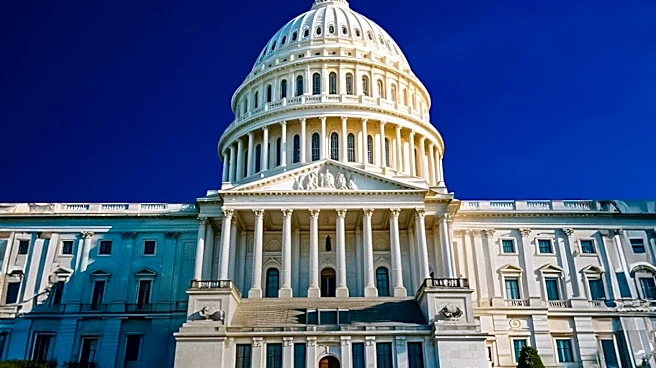
The U.S. House of Representatives has passed seven bipartisan small-business bills by voice vote on November 11. These measures aim to streamline Small Business Administration (SBA) loan closings, assist small manufacturers in bringing production back
to the United States, and enhance cybersecurity guidance for small federal contractors. The bills, which had previously cleared the House Small Business Committee in September, passed the full House under suspension of the rules. Key legislation includes the 504 Modernization and Small Manufacturer Enhancement Act, which adds workforce development to the SBA’s 504 loan program and updates occupancy rules. The Reshoring American Manufacturing Act seeks to formalize the SBA’s 'Make Onshoring Great Again Portal' to connect small manufacturers with resources for domestic production. Additionally, the Cybersecurity for Small Businesses Act and the Combating Foreign Threats to Main Street Act address cybersecurity guidance and intellectual property protection for small businesses. Other bills focus on disaster loan consistency and SBA accountability regarding veteran-owned businesses and small-business investment companies.
Why It's Important?
The passage of these bills is significant for the U.S. small business sector, which is a critical driver of the national economy. Streamlining SBA loan processes can improve access to capital for small businesses, fostering growth and job creation. The focus on reshoring manufacturing aims to strengthen domestic supply chains and create jobs within the U.S., reducing reliance on foreign production. Enhanced cybersecurity guidance is crucial for small federal contractors, protecting sensitive information and national security interests in an increasingly digital threat landscape. Furthermore, measures to improve SBA accountability and disaster loan consistency can ensure that federal programs are more effective and accessible to the businesses they are designed to serve. These legislative efforts reflect a bipartisan commitment to supporting the foundational elements of the American economy, potentially leading to increased competitiveness and resilience for small enterprises.
What's Next?
All seven bills now require approval from the Senate. For any of these measures to become law, the Senate must pass the same text of each bill. If any bill does not achieve enactment by the end of the 119th Congress, it would need to be reintroduced in the subsequent Congress. The legislative process will involve further debate and potential amendments in the Senate before they can be sent to the President's desk for signature. Stakeholders, including small business advocacy groups and industry associations, will likely monitor the Senate's progress closely, advocating for the swift passage of these measures to provide much-needed support and regulatory clarity for small businesses across various sectors.
Beyond the Headlines
Beyond the immediate legislative impact, these bills underscore a broader governmental recognition of the challenges faced by small businesses, particularly in areas like global competition, technological security, and access to financing. The emphasis on reshoring manufacturing could signal a long-term shift in industrial policy, encouraging more domestic production and potentially altering global trade dynamics. The cybersecurity provisions highlight the increasing integration of digital security into business operations, even for small entities, reflecting an evolving threat landscape. The bipartisan nature of these bills suggests a consensus on the importance of supporting small businesses, which could lead to more stable and predictable policy environments for entrepreneurs and small enterprise owners in the future.