





What's Happening?
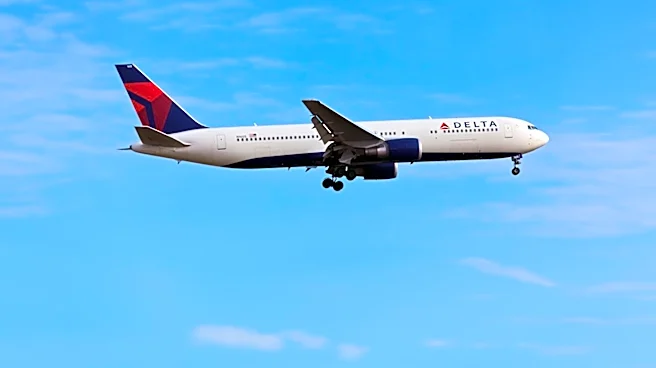
Delta Air Lines has been identified as the leading U.S. airline for pilots in 2026, based on a comprehensive evaluation of pay, retirement contributions, profit sharing, contract security, and growth. Delta offers top-tier pay, with a 12-year captain
on its largest widebodies earning over $465 per hour. The airline also contributes 18% of pilot pay directly into each pilot’s 401(k) and distributed $1.3 billion in profit sharing for 2025, equating to an estimated 8.9% of eligible earnings. Delta is expanding its long-haul operations, having ordered 31 additional Airbus widebodies in January 2026, which will increase its fleet to 79 A350s and 55 A330neos. Pilot contract negotiations are ongoing, with the current agreement amendable on December 31, 2026.
Why It's Important?
This ranking highlights the competitive landscape within the U.S. airline industry for attracting and retaining skilled pilots. Delta's leading position, driven by its compensation and benefits package, sets a benchmark for other major carriers. This can influence labor negotiations across the industry, potentially leading to improved pay and benefits for pilots at other airlines. For the broader U.S. economy, a well-compensated and stable pilot workforce is crucial for maintaining efficient air travel and cargo operations, which are vital for business and tourism. The ongoing growth in Delta's widebody fleet also signifies continued expansion in international travel capacity, impacting global trade and passenger movement.
What's Next?
Delta Air Lines' pilot agreement is set to become amendable on December 31, 2026, with negotiations for a new contract already underway since April 2026. Under U.S. airline labor law, the current terms will remain in effect until a new deal is finalized. The outcome of these negotiations could set new standards for pilot compensation and benefits across the industry. Furthermore, Delta's continued expansion of its widebody fleet, with 31 new Airbus aircraft ordered, indicates a strategic focus on growing its long-haul flying capabilities. This expansion will likely create more opportunities for pilots and could influence route development and market share in international aviation.
Beyond the Headlines
The competitive environment for airline pilots in the U.S., as highlighted by Delta's top ranking, reflects deeper trends in the aviation industry. The significant investment in pilot compensation and benefits underscores the critical role pilots play in airline operations and the ongoing demand for skilled aviators. This situation also brings to light the long-term career planning for pilots, where factors like retirement contributions and profit sharing are increasingly important. The continuous fleet expansion by major carriers like Delta signals confidence in future air travel demand, but also raises questions about the environmental impact of increased flights and the industry's commitment to sustainable practices. The ongoing labor negotiations are a testament to the power of collective bargaining and its influence on shaping employment standards within a vital sector of the U.S. economy.